No products in the cart.
We’re all seeing a rising number of headlines where youngsters are collapsing in a gym, on a marathon route, at work, or not waking up from sleep. And the most concerning part isn’t the headline, it’s the question it plants in your head: What signs could I be missing?
Here’s also what is happening at the same time: most of these events don’t come out of nowhere. They come out of years of silent build-up inside the body. That means there’s something we can work with.
So instead of asking, “What’s the one thing causing heart attacks among the young?”, we should be asking:
- What’s weakening the system quietly?
- What’s making blood vessels stiffer, stickier, and more inflamed over time?
- What are we normalizing as ‘busy life’ that the body experiences as chronic strain?
In India, an AIIMS-led analysis of sudden deaths in 18–45-year-olds found cardiovascular causes were the majority. That’s not meant to scare us. It’s meant to wake us up to the mechanism, so we can act early, not late.
What’s Actually Changing? Damage Is Starting Earlier
The biggest shift is not that the human heart has suddenly become weaker. It’s that the damage that sets the stage for cardiac events is starting earlier than it used to.
A couple of decades ago, most people were exposed to junk and ultra-processed food far less frequently. Eating out was occasional, food was more home-led, movement was built into daily life, and sleep wasn’t constantly under attack by screens and stress. Today, exposure begins in childhood, and it’s layered: ultra-processed food access, sedentary routines, sleep deprivation, vaping and smoking, chronic stress, and the pressure to perform even when the body is depleted.
So when we hear of a heart attack at 30, it’s rarely a sudden storyline. More often, it reflects earlier plaque formation, earlier vascular dysfunction, and years of silent wear-and-tear that no one feels until the body finally can’t compensate.
We’re also seeing troubling patterns in cardiovascular outcomes among younger adults over time, which should push us toward prevention, not panic.
In our day-to-day consults, we meet 28-year-olds who genuinely believe heart disease is a later-life problem. They’ll say, “Luke, I’m young. I work out. I’m not overweight.” And then we look a little deeper: sleep is broken most nights, meals are random and ultra-processed more often than they realise, stress is constant, weekends are binge recovery, and movement is either extreme or nothing. They don’t feel sick, so they assume nothing is building.
But the body keeps the score quietly. The early damage doesn’t announce itself with pain. It shows up slowly as inflammation, stiffness, and a foundation that becomes less resilient over time. That’s why this conversation matters now, not at 55.
View this post on Instagram
The Real Battlefield Is Inside the Blood Vessels
If we really want to understand why cardiac events happen ‘out of nowhere,’ we have to stop looking only at the heart muscle and start looking at the blood vessels feeding it.
Inside every blood vessel is a delicate inner lining called the endothelium. Think of it as the vessel’s inner skin. Sitting on top of that lining is a soft, gel-like protective layer called the glycocalyx. It’s not a fancy extra. It’s part of what keeps blood flow smooth, flexible, and non-irritating.
When this surface is healthy, blood moves through with minimal friction. But when it’s repeatedly damaged over time, the vessel becomes less non-stick and more reactive. That’s when things that should keep moving start sticking:
- inflammatory cells
- platelets
- lipoprotein particles (the ones that can contribute to plaque)
- calcium and other debris
Once that stickiness begins, the chain reaction becomes predictable: more friction, more inflammation, more stiffness, more plaque build-up, and eventually a higher risk of rupture and a sudden event.
One of the endothelium’s superpowers is producing nitric oxide. We can think of nitric oxide as the body’s built-in relaxation signal for blood vessels, helping them stay flexible and improving flow. When endothelial function drops, nitric oxide availability often drops with it, and the system becomes more prone to inflammation and clotting behavior.
And this isn’t theoretical. Research links glycocalyx impairment with vascular disease processes and chronic inflammation, which is exactly why protecting it is such a big deal in preventive heart health.
Source: Qu, J., Cheng, Y., Wu, W., Yuan, L., & Liu, X. (2021). Glycocalyx Impairment in Vascular Disease: Focus on Inflammation. Frontiers in Cell and Developmental Biology, 9, 730621. https://doi.org/10.3389/fcell.2021.730621
What Damages This Layer Over Time?
Let’s go back to basics, exactly the way we do in our consults. When the endothelium and glycocalyx start breaking down, it’s rarely because of one dramatic factor. It’s usually a slow, repetitive exposure to things we’ve normalized as just life.
Here are the biggest preventable drivers we keep seeing, again and again:
- Uncontrolled High blood pressure (BP): Constant pressure is not neutral. Over time, it damages the inner lining of blood vessels and increases stiffness. If you’re on BP medication, do not stop it or skip it without your doctor in the loop. Lifestyle improvements are incredible, but dose changes should be guided and tapered safely.
- High blood sugar/insulin resistance: Repeated spikes don’t only affect ‘diabetes numbers.’ They irritate and damage blood vessels, making the system more inflamed and reactive over time.
- Smoking + vaping: Whether it’s cigarettes or a sleek little vape, the outcome is similar: more oxidative stress, more inflammation, and more endothelial dysfunction.
- Ultra-processed, inflammatory food patterns: This isn’t about never eating something you enjoy. It’s about frequency. Junk cannot be your default plate. When processed food becomes the primary diet, it slowly erodes vascular health.
- Sedentary lifestyle: Blood vessels need movement and circulation to stay healthy. When we sit for long hours, circulation drops, and the lining loses one of its key stimuli: healthy blood flow.
- Sleep deprivation: Sleep is not optional repair. Poor sleep is strongly associated with endothelial dysfunction and higher cardiovascular risk markers.
- Chronic stress: Constant sympathetic activation (always ‘on’) increases inflammation, worsens recovery, disrupts sleep, and over time, chips away at vascular resilience.
- Overtraining on low sleep: This is the modern trap: intense workouts with depleted recovery. You’re trying to build fitness, but you’re stressing the system harder than it can repair.
People want to blame the headline. Instead, we need to fix the biology and pay attention to our foundations and preventive care.
The good news? These layers can be repaired.
Proactive vs Reactive Heart Health
In over 14 years of experience, we’ve observed that people either wait for the incident and react. However, we need to protect the system early and prioritize preventive healthcare. This is the difference most people miss, because prevention doesn’t trend until something goes wrong.
Reactive heart health is what most of the world is forced into after plaque is established and risk is high: stents, bypass, statins, stronger medications, and constant monitoring. This is not ‘bad.’ It can be life-saving. It’s simply the phase where we’re managing an already-compromised environment.
Proactive heart health is what we want more of: protecting the lining early, so plaque doesn’t get the sticky, inflamed, high-friction environment it needs to build and rupture. It’s about reducing vascular stiffness, supporting nitric oxide, improving circulation, and removing the daily irritants that quietly injure the system.
This is the key shift we keep coming back to in our work: once damage is done, we manage. Before we go into damage control mode, we need to work on prevention.
And one more thing we need to say clearly: fear doesn’t solve anything. Knowledge plus action does.
View this post on Instagram
A Nutrition-led Approach That Supports Heart Health
When younger people start worrying about heart attacks, the internet usually pushes two extremes: panic, or ‘superfood fixes’. We don’t do either of these. Food can support heart health, but it’s not magic, and it’s never meant to work in isolation. It has to sit inside a bigger system: blood pressure control, blood sugar stability, sleep, stress load, movement, and recovery.
This is exactly where our first pillar of Foundational Medicine comes in: Food Science and Nutrient Synergy. Not food trends. Not a restriction as a personality. Just using nutrition in a way that supports the body’s biology consistently, so your system is less reactive and more resilient over time.
A practical place to start is foods that support healthy blood flow and the body’s natural ability to keep vessels flexible. The goal is not to eat everything on this list every day. The goal is to build repeatable patterns you can actually sustain.
Here are options we commonly recommend, grouped for simplicity:
- High-nitrate vegetables: Beetroot, spinach, arugula, lettuce
- Berries: Blueberries, strawberries
- Omega-3 sources: Salmon, sardines, mackerel
- Vegetarian options: Algae oil, chia, flax, walnuts
- Crucifers + sulfur-rich foods: Broccoli, cabbage, cauliflower, garlic, onion
- Support nutrients:
- Vitamin C-rich foods: bell peppers, kiwi, citrus
- Magnesium-rich foods: almonds, avocado
- Vitamin D3, E, and K2-rich foods
- Extras: Lead-free dark chocolate (75%+), green tea, matcha
We don’t need perfection. We need repeatability.
Luke’s Heart Beet Blast Recipe to Support Vessel Health
If you want one simple tool you can actually stick to, this is the one Luke keeps coming back to. It’s not a magic potion. It’s a practical way to get supportive foods in quickly, especially on busy days when you’re not eating perfectly. And if beetroot isn’t for you, skip it. Use the broader food list instead.
The Base Recipe (Takes 3 minutes)
- 1 beetroot, washed, peeled, and chopped
- If raw beetroot doesn’t suit you, steam it lightly. You’ll lose some potency, but it can still be useful.
- Juice of 1 lemon
- Ginger: about ½ inch to 1 inch, depending on tolerance
- A pinch of black pepper
- Blend/juice with a little water as needed.
- Keep the fiber if you tolerate it, or strain if that feels better for your digestion.
Get the step-by-step instructions here.
Optional add-ons Luke uses
- Carrot (for taste and added nutrients)
- Psyllium husk: about 1 tsp for extra fiber support
- Apple cider vinegar: 1 tbsp, always diluted
- Rinse your mouth after, to help protect dental enamel.
Storage
Ideally, it’s best consumed fresh. If needed, store in the fridge for up to 24 hours.
Who Should Be Cautious?Speak to your doctor if you have any concerns, and be especially careful if you have:
|
Please note: Always consult your doctor before trying anything new. If you have pre-existing health conditions or intolerances, make informed choices under expert supervision.
Foundational Medicine: The Lifestyle Prescription That Doesn’t Trend, But Works
When we talk about younger people having cardiac events, it’s tempting to hunt for one cause to hyper-focus on. Real life doesn’t work that way.
Risk builds from patterns, not headlines. That’s why we keep coming back to Lifestyle as Foundational Medicine: not a hack, not an extreme plan, but the baseline your body needs to stay steady under pressure and recover well.
Most people don’t need more information. They need a body that can respond to information. Because you can be doing ‘everything right’ on paper, supplements, workouts, clean eating, and still feel tired, inflamed, bloated, breathless, or off. In our day-to-day work, that’s one of the most common patterns we see. And this is where our approach becomes practical: we stop adding more and start rebuilding what’s quietly missing.
Foundational Medicine is built on six biological, non-negotiable pillars:
- Food Science and Nutrient Synergy
- Adequate Holistic Movement
- Deep Sleep
- Emotional Wellness and Mental Health
- Nature: Internal and External Environment
- Spirit and Breathwork
This is where prevention stops being motivational talk and becomes structured. Sleep regularity matters for cardiovascular risk, not just sleep duration. Movement is still one of the strongest protective habits we have, and the global benchmark remains consistent weekly activity as a minimum baseline. And if someone is smoking (or vaping), no amount of ‘clean eating’ cancels out what that does to heart risk.
A Simple Weekly Framework We’ve Seen Work (Because it’s Repeatable)
|
What to Limit: The Quiet Saboteurs
These are the habits we see doing the most silent damage over time:
1) Smoking + Vaping (Even if It’s ‘Social’)
Even occasional nicotine exposure is not neutral.
- It irritates the inner lining of blood vessels, making it easier for inflammation and plaque-building particles to ‘stick.’
- It spikes heart rate and blood pressure, which adds mechanical stress to the vascular system.
- Vaping isn’t a free pass. Many aerosols still trigger oxidative stress and inflammation, and nicotine still drives the same vascular strain.
- For younger people, the trap is: “I’m fit, I work out, I only do it socially.” But the vessel lining doesn’t care about your aesthetic. It cares about repeated insult.
2) Irregular Sleep Cycles (Late Nights, Weekend Reversals, Inconsistent Wake Times)
This is one of the most underrated contributors because it feels harmless.
- Sleep is when repair happens. Vascular recovery, nervous system downshift, and inflammation control. When sleep is inconsistent, repair becomes inconsistent.
- Weekend reversals create ‘social jet lag’ which disrupts circadian rhythm and stress hormones. Your body keeps getting mixed signals about when to regulate blood pressure, glucose, appetite, and recovery.
- Poor sleep also increases cravings and impulse eating, so it quietly stacks with ultra-processed diets and metabolic issues.
3) Uncontrolled Stress Going Unchecked for Months or Years
Stress isn’t the villain. Unresolved stress is.
- Chronic stress keeps the body in sympathetic mode (fight-or-flight), which raises resting blood pressure, worsens inflammation, and blocks deep recovery.
- Over time, stress can drive higher blood sugar, poorer sleep, and more stimulant use (caffeine, nicotine, alcohol), which becomes a self-reinforcing loop.
- Young people often normalize it: deadlines, startup culture, exams, and relationship chaos. But the body treats chronic stress like a chronic injury.
4) Sedentary Weeks + Intense Weekend Workouts (The ‘Compensate’ Trap)
This is a modern classic: “I’ll fix it on Saturday.”
- Blood vessels respond to regular circulation and repeated mild stimuli. Long sedentary spells reduce that stimulus.
- Then you suddenly spike intensity and volume, often with poor sleep and dehydration.
- The body experiences it as a stress event, not a health event, especially if there’s underlying high BP, high sugar, smoking, or poor conditioning.
- The fix is not “don’t train hard.” It’s “don’t live still and then try to become an athlete twice a week.”
5) Ultra-Processed Foods Becoming the Default Plate
We’re not talking about never eating outside food. We’re talking about what’s normal.
- Diets high in ultra-processed foods are linked to inflammation, insulin resistance, high triglycerides, and poor vascular function.
- They tend to be high in refined carbs, oxidized fats, excess sodium, and additives, while being low in fiber, micronutrients, and protective compounds.
- For youngsters, the danger is early exposure: when this becomes your baseline in teens and early 20s, the damage to your cardiac health begins earlier.
6) Alcohol as a Coping Tool (Especially When Sleep Is Already Poor)
Alcohol gets marketed as ‘relaxation,’ but biologically, it often does the opposite.
- Alcohol can disrupt deep sleep and REM, even if you fall asleep faster.
- It increases the chance of late-night eating, dehydration, and poor recovery, and can worsen anxiety the next day.
- When used to cope, it becomes frequent. And frequent use compounds inflammation, blood pressure issues, and gut imbalance. That’s the quiet sabotage.
7) Overtraining on Low Sleep (The Body Never Gets Enough Recovery to Adapt)
Training is a stimulus. Recovery is where adaptation happens.
- When sleep is low, intense training becomes another stress load on top of an already stressed nervous system.
- That can increase inflammation, suppress immunity, worsen HRV, and keep cortisol elevated.
- Many young people do this with pride: “I’m grinding.” But the body doesn’t award medals for self-neglect. It collects payment later.
What makes these dangerous isn’t that they exist once in a while. It’s that they become normal. And once your baseline becomes chaotic, even ‘good’ things like workouts, supplements, and healthy meals don’t land the same way, because the body is not steady enough to respond.
We’ve watched people chase supplements for years, then their numbers and energy start shifting only when sleep, movement, food rhythm, and stress regulation become non-negotiable. Not because supplements are useless, but because they can’t outwork a body that’s running on debt.
The Tests That Actually Help You Act Early
If we’re serious about preventing heart events in younger people, we can’t rely on vibes and fear. We need a few practical markers that help you and your clinician spot risk early, while there’s still time to course-correct.
These are not tests to self-diagnose with. They’re tools to discuss with your doctor, especially if you have a family history, high stress, poor sleep, smoking or vaping history, high blood pressure, insulin resistance, or you’ve been living on ultra-processed convenience for too long.
Checks to discuss with a clinician
- Lipid profile: LDL, HDL, triglycerides
- Apolipoprotein B (ApoB): a strong indicator of atherogenic particle burden
- hs-CRP: an inflammation marker that needs clinical interpretation
- If warranted: Coronary Artery Calcium (CAC) score
Not sure where to start? Book a consult with Team Luke’s Foundational Medicine and Lifestyle Experts.
Why ApoB matters
ApoB reflects the number of atherogenic particles that can penetrate and stick when the vessel environment is compromised.
CAC score, in context
For the right person, a CAC score can be useful for risk stratification and guiding how aggressive your prevention plan needs to be, lifestyle intensity, frequency of follow-ups, and whether medication is appropriate.
If you’re on medication, don’t play doctor with your dosage. Improve your lifestyle habits through small, consistent changes, then let your doctor make the call appropriately.
Symptoms of a Heart Attack in Younger People
In younger adults, symptoms can still look classic, but they can also be easier to dismiss as acid reflux, anxiety, or gym fatigue. The danger is downplaying them.
Most common warning signs to take seriously:
- Chest discomfort: pressure, tightness, squeezing, heaviness, or burning (it may come and go)
- Pain radiating to the left arm, both arms, shoulder, neck, jaw, upper back, or upper abdomen
- Shortness of breath (with or without chest discomfort)
- Cold sweat, clamminess, or unexplained sweating
- Nausea, vomiting, or indigestion-like discomfort
- Lightheadedness, dizziness, or fainting
- Unusual fatigue that’s sudden or extreme (especially if it’s not “you”)
- Palpitations (racing, pounding, irregular heartbeat), especially if paired with dizziness or breathlessness
In women, warning signs are more likely to be dismissed because they can skew toward:
- Breathlessness, nausea, back/jaw discomfort, and extreme fatigue, sometimes without dramatic chest pain.
Disclaimer: This is educational and does not replace medical advice. Seek immediate medical care for chest pain, breathlessness, fainting, sudden weakness, or symptoms that feel severe, unusual, or persistent.
What to Do if Symptoms Show Up
- Do not ignore symptoms. Do not wait and watch. Do not take a nap to see if it passes.
- Seek emergency care immediately if you have chest pressure/tightness, breathlessness, fainting, sudden weakness, or symptoms that feel alarming or unusual for you.
- If symptoms are recurring (even mild but repeated), book a medical evaluation. Heart issues don’t always announce themselves with a siren.
- If you feel dismissed, get a second opinion.
Foundational Medicine isn’t ‘improve your lifestyle to avoid doctors.’ It’s the opposite: it’s about working with medical care more intelligently by strengthening the baseline your body relies on, and by asking better questions early instead of arriving late with regrets.
Questions We Encourage You to Ask Your Doctor
If you suspect your heart health is compromised, or you have a family history, high stress, smoking/vaping, poor sleep, BP/sugar issues, or unexplained symptoms, talk to your clinician about:
- “Given my risk factors and symptoms, what are we ruling out first?”
- “Should we check blood pressure trends, lipids, ApoB, and hs-CRP?”
- “Do I need an ECG or further evaluation based on my symptoms?”
- “Would a coronary calcium score (CAC) or other risk stratification be appropriate for me?”
- “If medication is needed, what lifestyle steps will reduce side effects and improve outcomes alongside it?”
- “What changes should I make now, and what should we re-test in 8–12 weeks to track improvement?”
The Core Message
We can’t ‘biohack’ our way out of biology. If something feels off, we don’t negotiate with it. We act. And once the urgent part is handled, we build the foundations so we’re not living one scare away from the next one.
Final Word:
Most cardiac events don’t start as events. They start as erosion, quietly, over the years. That’s why we keep coming back to prevention: protect what protects you, long before the headline moment.
The encouraging part is this: a lot of that protection is built through simple habits. Sleep regularity. Blood pressure and blood sugar control. Daily movement. Food patterns that reduce inflammation instead of feeding it. Stress regulation that stops your body from living in ‘fight or flight’ all day. Not dramatic, not trendy, but effective.
Medicine has a role, and lifestyle has a role. When they’re done together, outcomes improve, and recovery becomes steadier. Speak to your doctor, run the right tests for your context, and start building your foundations early. Prevention is quieter than intervention, but it’s far more powerful.
Are you concerned about heart ailments and what it means for you?
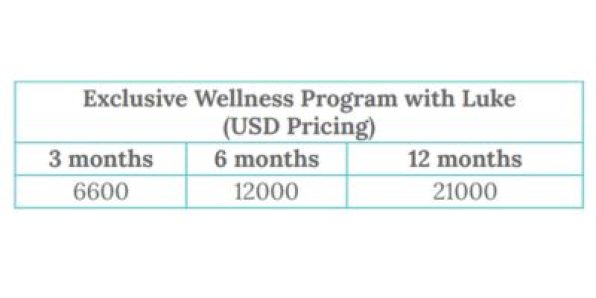
Join Our Wellness Program for a comprehensive approach to better health.
Need personalized guidance for prevention, management, or recovery after a cardiac episode?
Book a consult with our Foundational Medicine and Lifestyle Experts.
We’re here to help you find a way forward through food, lifestyle, and deep-rooted healing.
📩 Write to us at [email protected]
📞 Or call us at 1800 102 0253
Disclaimer: This is for education and does not replace medical advice. Seek immediate care for chest pain, breathlessness, fainting, or sudden weakness. The information shared here is meant to support—not replace—professional medical guidance. Always keep your healthcare expert in the loop before making any lifestyle changes, especially if you have any pre-existing conditions.