No products in the cart.
foundational health
| “The value of anything or anyone is its ability to help you live the life YOU want.” |
For a long time, the most powerful health principles were dismissed as pseudo-science.
Not because they lacked evidence, but because they lacked commercial appeal.
Sleep, stress regulation, breathing patterns, light exposure, and daily rhythm were never exciting enough to market. They didn’t promise instant results. They demanded consistency. And they asked people to slow down in a world obsessed with speed.
Yet biology has never negotiated with convenience.
The human body does not respond to motivation, ambition, or productivity metrics.
It responds to repeated signals—the ones we send every day through our habits, our routines, and the way we move through life. That is why real health has always been less about intensity and more about a good habit for health, repeated daily, quietly, and consistently.
Today, modern science is validating what lived experience has shown us for decades: the body keeps a record. And it always balances the books.
And this brings us to one of the clearest examples of modern life working against biology: sleep.
Humans and Sleep: A Biological Anomaly
Humans are the only species that willingly deprives itself of sleep.
No animal delays rest to increase output.
No species celebrates exhaustion as success.
No living organism overrides its circadian biology for validation.
Yet humans do this—daily.
From a biological perspective, this is extraordinary because sleep is not passive. It is one of the most metabolically active states the human body enters. During sleep, especially deep slow-wave sleep, the brain activates the glymphatic system, a clearance pathway that removes metabolic waste, including neurotoxic proteins linked to cognitive decline and mood disorders.
When sleep is shortened or fragmented, this clearance does not happen efficiently. Over time, this contributes to anxiety, impaired emotional regulation, hormonal dysregulation, and immune dysfunction.
Why Early Humans Slept Longer Than We Do
Before electricity, before screens, and even before the discovery of fire, humans slept significantly longer than modern populations. Anthropological and evolutionary biology research suggests this was not due to laziness or lack of purpose, it was necessity.
Early human food habits were dominated by raw plants, roots, seeds, and fibrous foods. Raw food requires:
- Greater digestive effort
- Longer parasympathetic nervous system activation
- Higher metabolic energy expenditure
Digesting raw plant matter is slow, energy-intensive work. To compensate, the body required extended recovery windows. Sleep supported nutrient extraction, tissue repair, and nervous system recalibration. Therefore, longer sleep was not optional; it was survival biology.
This is one reason sleep has always been deeply conserved across evolution. The body does not give up essential functions without consequence.
Fire Changed Digestion, Not Our Need for Sleep
The discovery of fire altered human physiology in significant ways. Research by Harvard evolutionary biologist Richard Wrangham highlights that cooking food increased caloric availability, reduced chewing and digestive effort, and allowed energy to be redirected toward brain development.

An excerpt from his interview in The Harvard Gazette | https://news.harvard.edu/gazette/story/2009/06/invention-of-cooking-drove-evolution-of-the-human-species-new-book-argues/
Cooking broke down fibers, denatured proteins, and improved nutrient absorption. Digestion became faster and less taxing. Over time, this reduced, but did not eliminate, the need for extended sleep durations.

Source: Carmody RN, Wrangham RW. The energetic significance of cooking. J Hum Evol. 2009 Oct;57(4):379-91. doi: 10.1016/j.jhevol.2009.02.011. Epub 2009 Sep 3. PMID: 19732938.
What did not change was the role of sleep in:
- Hormonal regulation
- Immune surveillance
- DNA repair
- Emotional processing
- Memory consolidation
These processes are governed by circadian biology, not digestion alone. Fire made life more efficient. It did not make sleep expendable.
The Modern Nervous System: Always On, Rarely Safe
Fast forward to the 21st century.
We are constantly stimulated, constantly reachable, and constantly responding. Information flows without pause. Work enters bedrooms. Notifications interrupt recovery. Silence feels unfamiliar.
We manage careers, families, social media, finances, responsibilities, relationships,
yet neglect the one system that makes all of it possible: our nervous system.
We now live in a constant state of low-grade threat.
When the nervous system perceives persistent unpredictability, like deadlines, social comparison, digital overload, it maintains elevated cortisol even in the absence of real danger. Over time, this becomes the root cause of stress, not because stress is constant, but because recovery is absent.
Chronic stress alters gut permeability, disrupts hormonal signalling, and dysregulates immune responses. Over time, this contributes to fatigue, autoimmune patterns, anxiety, and emotional disconnection. These outcomes are now well documented in research linking hypothalamic-pituitary-adrenal (HPA) axis dysfunction with inflammatory and metabolic conditions.
This is where many modern health struggles begin. Not from lack of effort, but from a body that never fully downshifts into repair mode.
And the data reflects this.
From reviewing over 40,000 cases, one commonality keeps surfacing:
People are not sick because they lack information.
They are sick because their bodies never feel safe enough to heal.
This is why health does not improve through information overload alone. It improves when daily life sends different signals.
Why the Human Body Cannot Heal Under Chronic Stress
When the human body perceives a threat; whether real or imagined, it responds the same way. The nervous system shifts into sympathetic dominance, a survival state designed for short bursts of danger, not long-term living.
This response was meant to protect us from immediate harm. However, modern stress is rarely acute or short-lived. It is psychological, continuous, and unresolved. Emails, financial pressure, relationship strain, constant comparison, and information overload keep the nervous system switched on long after the actual threat has passed.
When sympathetic activation becomes chronic, the body deprioritises repair in favour of survival. This works against a prolonged hostile environment.
In a sustained stress state:
- Cortisol remains elevated, disrupting circadian rhythm and blood sugar regulation
- Digestive activity is suppressed, reducing nutrient absorption and gut integrity
- Thyroid hormone conversion from T4 to active T3 slows, lowering metabolic efficiency
- Immune signalling becomes imbalanced, increasing inflammation and reducing immune surveillance
- Cellular repair, tissue regeneration, and cleansing processes are downregulated
This is the root cause of stress that often goes unaddressed. The body is prioritising survival over restoration.
The Role of Worry in Blocking Healing
Among all stressors, persistent worry is one of the most biologically disruptive. Repetitive worry keeps the amygdala hyperactive while suppressing prefrontal regulation. This creates a loop where the brain continuously anticipates threat, even in the absence of danger.
Worry:
- Maintains elevated cortisol and adrenaline
- Reduces vagal tone, impairing parasympathetic recovery
- Increases inflammatory markers linked to anxiety and chronic disease
This is why unresolved worry is frequently identified as a root cause for anxiety, fatigue, and immune imbalance. The body remains trapped in anticipation mode, unable to enter the conditions required for repair.

Image Credits: Freepik
Worry vs Concern: A Biological Perspective
While worry and concern are often used interchangeably, the body experiences them very differently.
Worry is fear-driven and future-focused. It activates stress pathways without offering resolution. It:
- Paralyzes decision-making
- Drains cognitive and metabolic energy
- Encourages reactive, fear-based choices
- Suppresses immune efficiency over time
Concern, on the other hand, is awareness without panic. Research in behavioural neuroscience shows that problem-focused concern engages the prefrontal cortex, enabling planning and action rather than threat response.
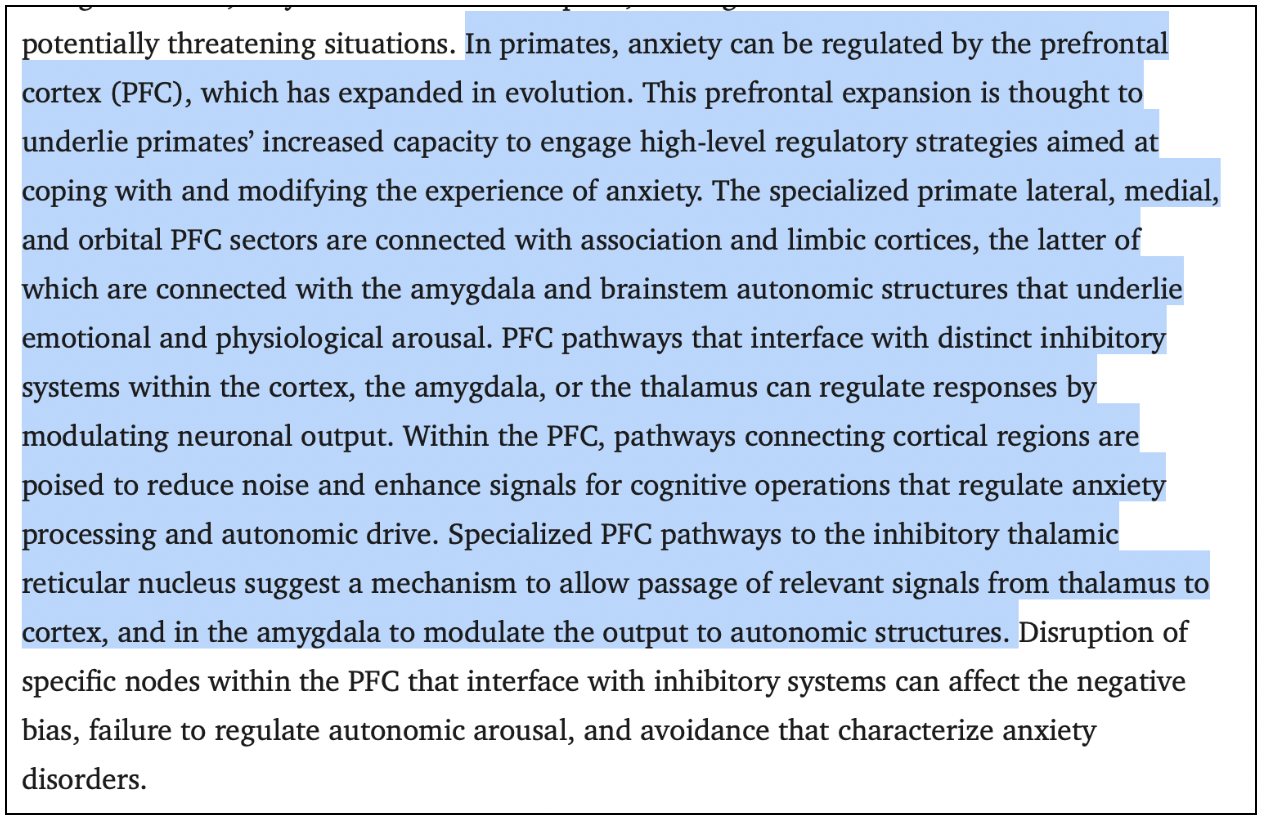
Source: Kenwood, M. M., Kalin, N. H., & Barbas, H. (2022). The prefrontal cortex, pathological anxiety, and anxiety disorders. Neuropsychopharmacology : official publication of the American College of Neuropsychopharmacology, 47(1), 260–275. https://doi.org/10.1038/s41386-021-01109-z
Concern:
- Inspires intentional behaviour
- Promotes responsibility without fear
- Leads to sustainable lifestyle adjustments
Concern asks, “What can I do differently today?”
Worry asks, “What if everything goes wrong?”
A Simple Exercise That Changes Everything
Try this exercise regularly:
Write down your current stressors. Then divide them into three columns:
- In my control
- Out of my control
- Action
Most people are surprised to see how many stressors fall outside their control.
For what is in your control:
- Take responsibility
- Choose one small action
- Act consistently, not perfectly
This shift alone reduces mental load, improves emotional regulation, and addresses a major root cause for anxiety; the constant attempt to control outcomes rather than behaviours.
For the stressors that fall outside your control:
- Accept what is
- Let go of the need to fix everything
- Consciously surrender outcomes
For example, let’s say someone is feeling constantly overwhelmed but can’t pinpoint why. When they sit down to do this exercise, this is what could be the pointers:
Stressors written down
- Work deadlines
- Rising living expenses
- A family member’s health
- Constant phone notifications
- Fear of not doing “enough”
Now divide them into three columns.
In My Control
- How I plan my workday
- When I check emails and messages
- My sleep and wake timings
- How often I pause to breathe
Out of My Control
- Economic conditions
- Other people’s reactions
- A loved one’s medical diagnosis
- Unexpected changes at work
Action
- Create a realistic work schedule and stop multitasking
- Turn off notifications after 8 PM
- Commit to consistent sleep timings
- Practice slow nasal breathing when anxiety rises
This simple mental shift reduces unnecessary cortisol output and frees up energy for healing, focus, and clarity. Acceptance is not a weakness. It is the nervous system standing down from a battle it was never meant to fight.
When the mind stops arguing with reality, the body finally gets the signal that it is safe to recover.
The Lifestyle Truths That Were Mocked—Now Backed by Science
Sleep, breathing, light exposure, stress; these are not optional add-ons, but foundational pillars. A daily routine for healthy life is not about discipline alone, but about respecting how the human body is biologically designed to function.
And it starts with one habit at a time.: sleep.
1. Why 7–9 Hours of Sleep Is Non-Negotiable Medicine
Sleep is not passive rest. It is a highly orchestrated biological repair process. During deep non-REM sleep, the body enters its most restorative state.
During this phase:
- Growth hormone secretion peaks, supporting tissue repair and muscle recovery
- Immune memory consolidates, improving the body’s ability to recognize pathogens
- The glymphatic system clears neurotoxic waste, including beta-amyloid
- Emotional regulation resets through prefrontal–limbic recalibration
- Insulin sensitivity improves, supporting metabolic health
When sleep is consistently curtailed, the body compensates by borrowing energy from future reserves; altering hormones, immunity, and cognition. This is one of the most underestimated root causes for anxiety and long-term metabolic dysfunction seen in modern lifestyles.

Image Credits: Freepik
What Can Be Done
To ensure sleep acts as the medicine it was designed to be, individuals can integrate these strategies into a daily routine for healthy life:
- Fix sleep and wake times
- Maintain a consistent schedule, even on weekends, to strengthen circadian rhythm and enhance restorative sleep.
- Create a pre-sleep wind-down ritual
- Dim lights 90 minutes before bed.
- Avoid screens or use blue-light blockers if unavoidable.
- Avoid caffeine, alcohol, or heavy meals close to bedtime.
- Include slow nasal breathing or meditation to activate the parasympathetic nervous system.
- Optimize your sleep environment
- Cool, dark, quiet rooms with minimal electromagnetic interference support deep non-REM sleep.
- Consider blackout curtains, white noise, or a fan for environmental stability.
- Move mindfully during the day
- Gentle exercise, especially in natural sunlight, strengthens circadian entrainment.
- Avoid vigorous exercise right before bed if it elevates heart rate and sympathetic tone.
- Track and adjust
- Use a sleep diary or wearable tracker to monitor quality and duration.
- Notice patterns: poor sleep often signals stress, blue-light exposure, or nutrient insufficiencies.
Remember, sleep is your body’s non-negotiable daily medicine. It is the foundation upon which hormonal balance, immune strength, metabolic health, and emotional stability are built. Prioritizing 7–9 hours of restorative sleep is not optional.
2. Why Vitamin D3 & B12 Deficiencies Matter More Than You Think
Vitamin D3 and vitamin B12 are often underestimated nutrients, yet deficiencies are alarmingly common worldwide. Both nutrients are linked to neurological function, immune resilience, and metabolic health. Their insufficiency is not minor, it subtly erodes energy, mood, and the body’s ability to respond to stress.

Image Credits: Freepik
Suboptimal levels can influence:
- Neurotransmitter synthesis and mood regulation
- Vitamin B12 and D3 are critical for serotonin and dopamine pathways, impacting motivation, mental clarity, and emotional resilience.
- Myelin integrity and nerve conduction
- B12 deficiency disrupts myelin formation, slowing nerve signaling, leading to fatigue, tingling, or cognitive fog.
- Immune modulation and inflammation control
- Vitamin D3 helps regulate immune responses, preventing overactive inflammation that contributes to autoimmune flare-ups.
- Cellular energy metabolism
- Both nutrients support mitochondrial function; their absence diminishes cellular energy, amplifying fatigue.
Chronic stress, sleep deprivation, and limited sun exposure often coexist with these deficiencies. This creates a vicious cycle: low nutrient status amplifies anxiety, fatigue, and immune vulnerability, which in turn further depletes nutrient reserves. In other words, these deficiencies do not act in isolation, they compound the biological effects of modern lifestyle stressors.
What Can Be Done
- Assess your status
- Check your serum 25(OH)D for Vitamin D3 and methylmalonic acid or B12 levels for a complete picture only after it is prescribed by your qualified healthcare professional.
- Optimize dietary sources
- Vitamin D3: Fatty fish (salmon, sardines), egg yolks
- Vitamin B12: Animal proteins like antibiotic free whole eggs, fish, or antibiotic free poultry
- Supplement responsibly
- Under clinician guidance, consider D3 supplementation with K2 for balance, and B12 sublingual or injectable forms if deficient.
- Lifestyle support for absorption
- Safe sun exposure (15–20 minutes daily) boosts D3 synthesis.
- Ensure gut health and stomach acid are optimal for B12 absorption.
- Integrate into daily routines
- Pair supplementation and nutrient-rich meals with other daily habits, like morning sunlight, movement, and sleep, to amplify benefits.
Vitamin D3 and B12 are foundational nutrients. Correcting deficiencies is one of the simplest, high-impact actions you can take as part of a good habit for health and a sustainable daily routine for healthy life.
3. Why Testing Only TSH Misses the Real Thyroid Story
Thyroid health is not a single-number diagnosis. The common practice of relying solely on TSH (Thyroid Stimulating Hormone) overlooks a larger, more complex picture.
Autoimmune thyroid conditions, like Hashimoto’s thyroiditis or Graves’ disease, often present with normal TSH levels in their early stages. A person may feel fatigued, anxious, or experience weight fluctuations, yet standard labs may indicate ‘everything is normal.’

Image Credits: Freepik
The true thyroid story is:
- Elevated thyroid antibodies: The immune system can attack thyroid tissue long before TSH rises. Testing for anti-thyroid peroxidase (TPO) and anti-thyroglobulin (Anti-Tg) antibodies provides insight into immune-mediated thyroid dysfunction.
- Persistent symptoms despite ‘normal’ labs: TSH alone doesn’t reflect tissue-level thyroid hormone activity. Individuals may still experience low energy, hair thinning, gut irregularities, or mood changes despite TSH readings within the reference range.
- Subclinical inflammation affecting hormone conversion: The body converts T4 (inactive thyroid hormone) into T3 (active thyroid hormone) in tissues. Chronic stress, gut dysbiosis, nutrient deficiencies (selenium, zinc, iodine), or inflammation can impair this conversion, leaving cells starved of active thyroid hormone despite ‘normal’ blood tests.
What Can Be Done?
- Consider discussing a comprehensive thyroid assessment with your healthcare provider: While TSH is commonly tested, a broader evaluation, including free T4, free T3, thyroid antibodies, and other markers, can sometimes provide additional insights into thyroid function and immune activity. A qualified medical professional can guide you on which tests are appropriate based on your symptoms, history, and overall health profile.
- Address lifestyle factors influencing thyroid function
- Reduce chronic stress through meditation, slow nasal breathing, or mindful movement.
- Prioritize sleep; insufficient restorative sleep directly impairs thyroid hormone conversion.
- Incorporate micronutrients that support thyroid function, including selenium, zinc, iodine, and vitamin D3 (with professional guidance).
- Support gut health
The gut plays a critical role in hormone metabolism. Improving digestion, supporting healthy microbiota, and reducing inflammation can enhance thyroid conversion pathways. - Track symptoms alongside labs
Numbers alone can’t capture fatigue, mental fog, or hair thinning. Keep a daily log of energy, mood, digestion, and sleep to correlate with lab results. - Adopt a proactive monitoring approach
Even if TSH is normal, elevated antibodies or persistent symptoms should trigger a structured follow-up plan rather than passive reassurance.
Disclaimer: Every individual’s body and health situation are unique. If you suspect a thyroid issue or experience persistent symptoms, please consult a licensed healthcare provider before making any changes to testing, treatment, or lifestyle routines.
4. Why Coffee on an Empty Stomach Fuels Anxiety
Coffee is often celebrated as a morning ritual, productivity booster, and metabolic enhancer. But its effects are highly context-dependent. While caffeine itself is not inherently harmful, consuming it on an empty stomach, especially in a body already under stress, can amplify sympathetic nervous system activity and fuel anxiety rather than focus.

Image Credits: Freepik
This is what happens when coffee is consumed before nourishment:
- Exaggerated cortisol spikes: Fasted caffeine triggers the adrenal glands to release cortisol, which can further activate the stress response, increasing heart rate, blood pressure, and nervous tension.
- Increased gastric irritation: Coffee stimulates stomach acid production, and without food to buffer it, this can lead to discomfort, reflux, or gut inflammation.
- Heightened anxiety and palpitations: In sensitive individuals, fasted caffeine can exacerbate nervousness, jitteriness, and racing thoughts, as cortisol and catecholamines spike simultaneously.
What Can Be Done
- Nourish before caffeine: Start your day with a balanced breakfast, or at least a small snack that includes:
- Protein (eggs, yogurt, nuts, seeds)
- Healthy fats (ghee, coconut, nuts)
- Complex carbohydrates (fruit, whole grains, soaked seeds)
This simple step stabilises blood sugar, blunts excessive cortisol release, and allows caffeine to work with your physiology, not against it.
- Quality of Ingredients Matters : Not all coffee is created equal, and neither are the add-ons.
Highly processed creamers, artificial sweeteners, flavoured syrups, and preservatives turn a simple cup of coffee into a chemical cocktail that stresses the gut, liver, and endocrine system.
Instead:
- Choose high-quality, clean coffee beans, preferably organic
- Avoid artificial flavours, hydrogenated fats, and synthetic sweeteners
- If adding milk or fats, opt for simple, recognisable ingredients (real milk, coconut milk, or nut-based options without additives)
A ‘healthy coffee’ isn’t about trends, it’s about ingredient integrity.
- Mind your nervous system state: Start the day with 3–5 minutes of slow nasal breathing, sunlight exposure, or gentle movement to shift from sympathetic dominance to a more balanced parasympathetic tone before introducing caffeine.
- Adjust timing and quantity: Limit coffee intake to mornings only, ideally after breakfast, and avoid it within 6 hours of bedtime to prevent circadian disruption.
- Listen to your body: Track mood, heart rate, and gut comfort to determine the optimal type and timing of caffeine for your individual physiology.
5. Why Intermittent Fasting Isn’t Universal, Especially for Women
Intermittent fasting has become a popular lifestyle trend, often praised for improving insulin sensitivity, promoting cellular cleanup through autophagy, and supporting metabolic flexibility. Yet, the truth is far more nuanced. Fasting is not one-size-fits-all, and biological sex and stress levels significantly influence how the body responds.

Image Credits: Freepik
For individuals, particularly women, who already live in a chronically stressed state, fasting can have unintended consequences:
- Elevated cortisol: Fasting is perceived by the body as a mild stressor. When layered on top of existing stress, cortisol can spike, fueling anxiety, sleep disturbances, and fat storage around the midsection.
- Disrupted menstrual cycles: Energy restriction in a body already under stress may alter luteinizing hormone (LH) and follicle-stimulating hormone (FSH) signaling, leading to irregular periods, delayed ovulation, or even amenorrhea.
- Suppressed thyroid signaling: Fasting without biological readiness can reduce T3 conversion from T4, lowering metabolic rate and leaving the body in an energy-conservation mode. This can increase fatigue and make weight management harder rather than easier.
Discipline without safety can backfire. Fasting is not a test of willpower. The body must be primed to handle intermittent energy restriction, particularly when stress, sleep, and nutrient status are suboptimal.
What Can Be Done
To practice fasting safely and reap its benefits without compromising health:
- Assess stress and recovery first
- Incorporate slow nasal breathing, meditation, or brief pauses in your day to reduce sympathetic dominance.
- Track sleep quality and ensure 7–9 hours nightly; the body must be in a state of homeostasis to tolerate fasting.
- Start with gentle approaches
- Begin with a 12-hour circadian fast (e.g., finish dinner by 7 PM, breakfast at 7 AM).
- Gradually extend the fasting window only if energy levels, mood, and menstrual cycles remain stable.
- Prioritize nutrition during eating windows
- Ensure adequate protein, micronutrients (selenium, zinc, magnesium, B12), and healthy fats to support thyroid, adrenal, and reproductive health.
- Avoid skipping essential meals in pursuit of discipline, fasting should enhance metabolism, not stress it further.
- Personalize and monitor
- Track energy, mood, menstrual health, and sleep quality alongside fasting patterns.
- Women may require shorter or less frequent fasting windows compared to men, depending on hormonal and stress status.
Intermittent fasting can be a powerful tool, but only when the body is biologically ready. Rushing into it without alignment to stress, sleep, and nutrient sufficiency can backfire. Healing, metabolism, and energy balance always come first; discipline without biological safety is a shortcut to imbalance, not resilience.
6. Why Blue Light After Sunset Disrupts Healing
Melatonin is often misunderstood as merely a ‘sleep hormone’. Melatonin is a potent endogenous antioxidant, a mitochondrial protector, and a regulator of circadian signaling that influences immunity, DNA repair, and cellular rejuvenation.

Image Credits: Freepik
When melatonin is suppressed, the body loses more than just the cue to sleep, it loses a critical biological signal that governs repair and regeneration.
Artificial light after sunset, especially blue light emitted from phones, computers, TVs, and LEDs, significantly suppresses melatonin secretion, even when using screen filters or ‘night mode.’ The consequences are wide-ranging:
- Disrupted circadian rhythm, leading to irregular sleep-wake cycles
- Impaired immune function, reducing the body’s ability to respond to inflammation and infection
- Slower cellular repair and regeneration, affecting tissue recovery, hormone balance, and metabolic health
- Increased oxidative stress in mitochondria, which can accelerate fatigue and aging
In modern life, constant post-sunset light exposure keeps the sympathetic nervous system slightly activated, preventing the body from entering parasympathetic “rest-and-repair” mode.
What Can Be Done
- Dim lights after sunset
- Use warm, low-intensity lighting in living spaces
- Avoid overhead fluorescent or LED lights in the evening
- Limit screen exposure at least 90 minutes before bed
- If unavoidable, use blue-light-blocking glasses or apps that filter blue light
- Remember, filters help but don’t fully replicate natural darkness
- Create a pre-sleep ritual
- Gentle breathing exercises, journaling, or reading a physical book under warm light signals the body it’s time to wind down
- Incorporate slow nasal breathing to enhance parasympathetic activation and deepen relaxation
- Consider light exposure strategically during the day
- Morning sunlight exposure strengthens circadian entrainment, which improves melatonin secretion at night
- Even brief outdoor sunlight for 15–30 minutes supports your sleep-wake cycle and hormone balance
- Prioritize a dark, restful sleep environment
- Blackout curtains, eye masks, or sleep-friendly bulbs create a strong contrast between day and night
- Even simple, accessible tools, like rolling a soft T-shirt over your eyes, can significantly reduce light leakage and improve sleep depth
- Wearing socks to bed can help regulate core body temperature, a key trigger for sleep onset and maintenance
- Darkness at night signals the body to release melatonin, supporting immune function, cellular repair, and overall wellness
Artificial light after sunset hijacks the very signals the body uses to repair, restore, and maintain balance. Aligning your evenings with biology by reducing blue light exposure, dimming lights, and prioritizing darkness.
7. Why Nasal Breathing Is Foundational
Breathing is not just a reflex, it’s one of the fastest and most direct ways to influence the nervous system. While most of us take it for granted, how we breathe shapes stress, sleep, and metabolic health.

Image Credits: Freepik
Nasal breathing; breathing through the nose rather than the mouth, provides benefits far beyond oxygen intake:
- Improved oxygen delivery: Nasal breathing produces nitric oxide in the sinuses, which dilates blood vessels, enhances oxygen uptake, and improves circulation to tissues and organs.
- Lower resting heart rate: Activating the parasympathetic nervous system through slow nasal breathing reduces cardiovascular strain, promoting calm and recovery.
- Enhanced parasympathetic activation: This ‘rest-and-digest’ state supports digestion, hormone balance, immune regulation, and cellular repair.
When applied thoughtfully, mouth taping during sleep can further optimize these effects. Clinical observations suggest it can:
- Stabilize the airway
- Reduce snoring and mild sleep apnea
- Support deeper, more restorative sleep stages, improving both brain and body repair
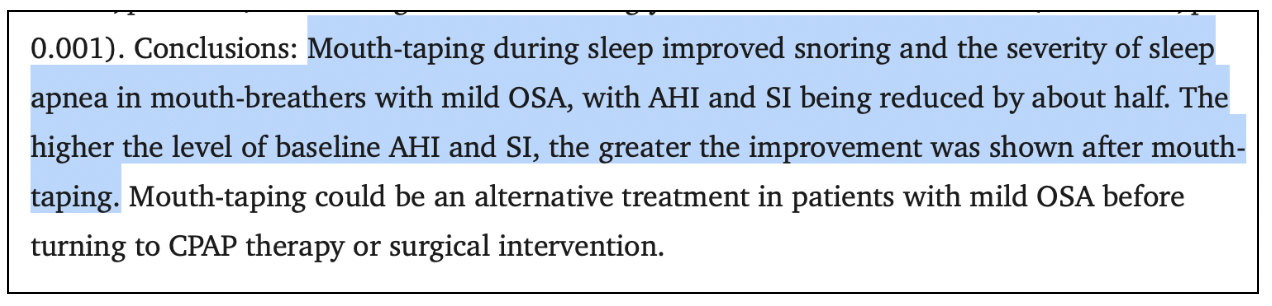
Source: Lee, Y. C., Lu, C. T., Cheng, W. N., & Li, H. Y. (2022). The Impact of Mouth-Taping in Mouth-Breathers with Mild Obstructive Sleep Apnea: A Preliminary Study. Healthcare (Basel, Switzerland), 10(9), 1755. https://doi.org/10.3390/healthcare10091755
What Can Be Done
- Practice conscious nasal breathing during the day
- Start with 5–10 minutes of slow, deep nasal breathing, especially when stressed
- Inhale for 4 counts, exhale for 6–8 counts to naturally activate parasympathetic tone
- Train for nasal breathing during activity
- During light exercise or walking, breathe only through the nose to improve lung efficiency and oxygen utilization
- Consider safe nighttime support
- Mouth taping can help maintain nasal breathing during sleep
- Ensure nasal passages are clear and consult a healthcare provider if you have severe sleep apnea or nasal obstruction
- Combine with other lifestyle pillars
- Pair nasal breathing with dim lights in the evening, limited screen exposure, and a consistent sleep schedule to maximize hormonal balance, tissue repair, and metabolic health
Simple breathing exercises you can use daily
- Extended Exhale Breathing: Inhale through the nose for 4 counts, exhale slowly for 6–8 counts. A longer exhale gently downshifts the nervous system, making this ideal during anxiety, mental overload, or emotional overwhelm.
- Physiological Sigh (nasal version): Take two short nasal inhales; one immediately after the other, followed by a long, slow nasal exhale. This technique rapidly releases built-up carbon dioxide (CO₂) in the lungs and is especially effective for quick stress resets during the day.
- Diaphragmatic (Belly) Breathing: Place one hand on the chest and one on the abdomen. Inhale through the nose, allowing the belly to expand while the chest stays relatively still. Exhale slowly through the nose, feeling the abdomen gently fall. This form of breathing improves diaphragm function, enhances oxygen efficiency, and sends a strong safety signal to the nervous system, supporting emotional regulation, digestion, and restorative sleep.
Breath is biology’s remote control. By simply tuning how we inhale and exhale, through the nose, slowly, intentionally, we can quiet stress, enhance sleep, optimize metabolism, and give the body the signals it needs to heal.
The Deeper Truth
Healing begins when energy is no longer wasted resisting reality. When stress hormones drop, digestion improves. When sleep deepens, immunity strengthens. When worry reduces, clarity returns.
A good habit for health, repeated daily, creates safety.
A daily routine for healthy life builds resilience.
And over time, the body remembers how to do what it was always designed to do—restore, rebalance, and renew.
If this speaks to you, take a moment to explore
From “Pseudo-Science” to Proven Truth: Why They Were Wrong About Sleep, Stress & Coffee
Disclaimer: The information shared in this blog is intended for educational and awareness purposes only. It is NOT a substitute for medical diagnosis, treatment, or professional healthcare advice. Every individual’s body, health history, and circumstances are unique, and what works for one person may not be appropriate for another. If you are experiencing persistent symptoms, have a medical condition, are pregnant, or are currently under medical care, please consult a qualified healthcare professional before making any changes to your food, lifestyle, supplements, or daily routine.
If you’re experiencing persistent fatigue, low mood, or frequent illness, don’t ignore it.
Set up a one-on-one consultation with our team or explore our Wellness Programs to optimize your skin health.
Reach out to us at 1800 102 0253 or write to us at [email protected].