No products in the cart.
Rheumatoid arthritis (RA) affects an estimated 0.5–1% of the global population, and in India alone, more than 1.3 million people are currently living with it.
What’s changed in recent years, and what science is now confirming, is that RA is no longer limited to advancing age. Epidemiological data published in scientific journals show a steady rise in diagnoses among people in their 20s and 30s, often years before visible joint damage appears. Fatigue, stiffness, and vague joint discomfort are being reported earlier than ever, yet frequently brushed aside as stress, overwork, or ‘normal wear and tear.’
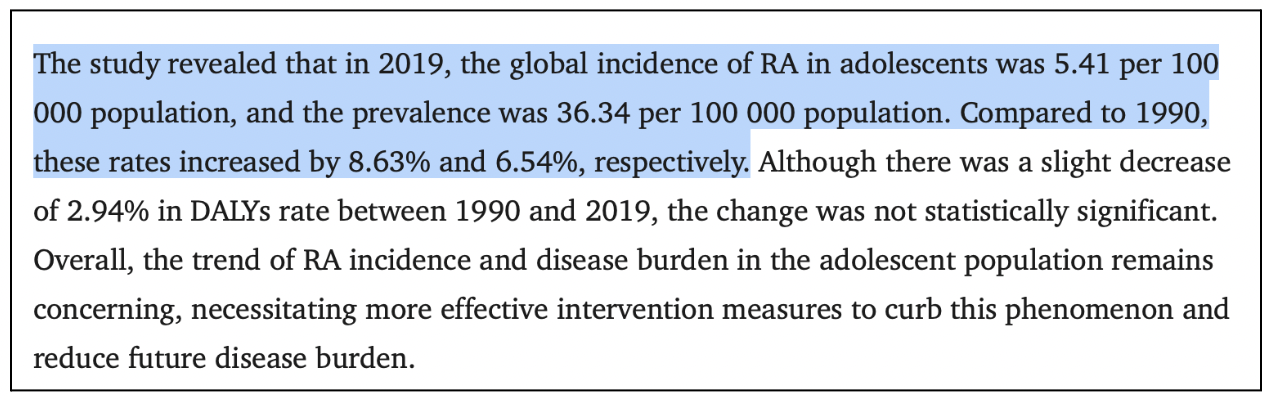
Source: Li, R., Yuan, X., & Ou, Y. (2024). Global burden of rheumatoid arthritis among adolescents and young adults aged 10-24 years: A trend analysis study from 1990 to 2019. PloS one, 19(4), e0302140. https://doi.org/10.1371/journal.pone.0302140
If you’re young, active, and otherwise considered ‘healthy,’ this research matters even more.
Youth does not protect joints from autoimmunity. What it does offer is a wider, more powerful window for intelligent rheumatoid arthritis management, where lifestyle recalibration, anti-inflammatory nutrition, and emotional regulation can make a meaningful difference before irreversible joint changes take hold.
Rheumatoid arthritis may not be reversible, but with the right foundations in place, it can often be guided into remission, allowing the body to function with far greater resilience and quality of life.
How Autoimmune Conditions Take Root in the Body
Autoimmune conditions arise when the immune system, designed to defend us from infections, loses its ability to distinguish between ‘self’ and ‘foreign.’ Instead of targeting harmful pathogens, immune cells begin attacking healthy tissues.
This confusion occurs when the balance between the immune system breaks down. Two key players are involved here: T cells (T lymphocytes, which coordinate and regulate immune responses) and B cells (B lymphocytes, which produce antibodies). Under normal circumstances, these cells are trained to recognise what belongs to the body and what doesn’t. In autoimmunity, this training fails. Certain T cells become overactive and send constant inflammatory signals, while B cells start producing autoantibodies; antibodies directed against the body’s own tissues.
In rheumatoid arthritis, this immune misfiring primarily targets the synovium, the soft lining of the joints. Over time, persistent inflammation in this lining sets the stage for the progressive rheumatoid arthritis stages, moving from subtle immune disturbance to structural joint damage if left unchecked.
And autoimmune diseases don’t begin with obvious pain or swelling. Long before joints start hurting, immune changes are already underway beneath the surface.
Why?
Autoantibodies linked to rheumatoid arthritis, especially anti-cyclic citrullinated peptide (anti-CCP) antibodies, can be detected years before a formal diagnosis. This explains why rheumatoid arthritis early symptoms, like ongoing fatigue, can feel vague and easy to dismiss.
Another critical piece of the autoimmune puzzle is gender.
| Did you know? Women are significantly more likely to develop autoimmune conditions, including rheumatoid arthritis. This increased risk is shaped by a combination of hormones, genetics, and immune responsiveness. Hormones like estrogen can amplify immune activity. While this heightened response may offer protection against infections, it also increases vulnerability to autoimmunity when immune control mechanisms weaken. |
Historically, the idea of autoimmunity was once considered implausible. In the early 20th century, scientist Paul Ehrlich believed the immune system could not attack the self, calling the concept ‘unthinkable.’ Over time, growing clinical evidence challenged this belief. Today, more than 80 autoimmune diseases are formally recognised, with rheumatoid arthritis ranking among the most prevalent. Modern science now views RA not as a joint-only disorder, but as a systemic inflammatory condition influenced by immune signalling, gut health, metabolic function, and lifestyle inputs.
| In 2025, Nobel Prize–winning research further deepened this understanding by identifying the FOXP3 gene, a master regulator responsible for the development of regulatory T cells, the immune system’s natural braking mechanism. This discovery has opened new pathways for therapies aimed at restoring immune balance rather than broadly suppressing immunity, offering a promising shift in how autoimmunity may be addressed in the future. That said, while the science is deeply encouraging, long-term clinical research is still essential before these insights can be translated into definitive conclusions or widespread applications. |
Arthritis: A Historical and Modern Perspective
Arthritis is not a modern disease born out of contemporary lifestyles; it has been part of human biology for as long as humans have existed. Paleopathological studies published in Arthritis & Rheumatology and The Journal of Rheumatology confirm inflammatory joint changes in Egyptian mummies dating back nearly 4,500 years, suggesting that immune-driven joint disease existed long before processed food, urban living, or modern stress. What has changed is not the existence of arthritis, but its frequency, earlier onset, and progression, particularly in autoimmune forms like rheumatoid arthritis.
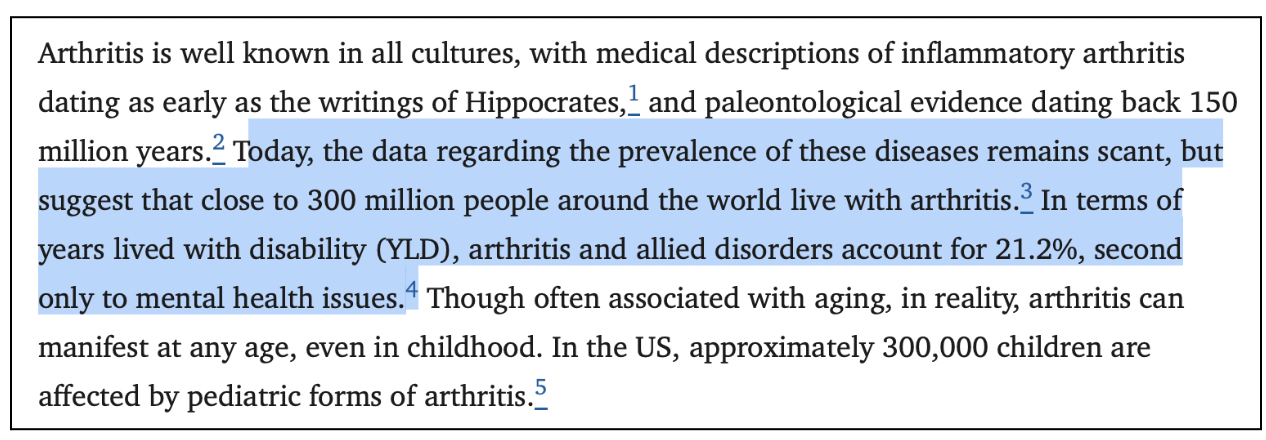
Source: Eakin, G. S., Amodeo, K. L., & Kahlon, R. S. (2017). Arthritis and its Public Health Burden. Delaware journal of public health, 3(1), 36–44. https://doi.org/10.32481/djph.2017.03.006
In earlier centuries, all joint pain was grouped under a single umbrella. It wasn’t until the late 19th and early 20th centuries that rheumatoid arthritis was scientifically distinguished from degenerative joint conditions.
RA is not caused by mechanical wear but by immune-mediated inflammation of the synovial membrane. This discovery transformed how clinicians understood rheumatoid arthritis reasons, shifting the narrative from ‘aging joints’ to a systemic immune disorder with identifiable inflammatory pathways. Modern research now maps RA as a continuum, moving through defined rheumatoid arthritis stages, beginning with immune activation and progressing toward cartilage and bone erosion if left unaddressed.
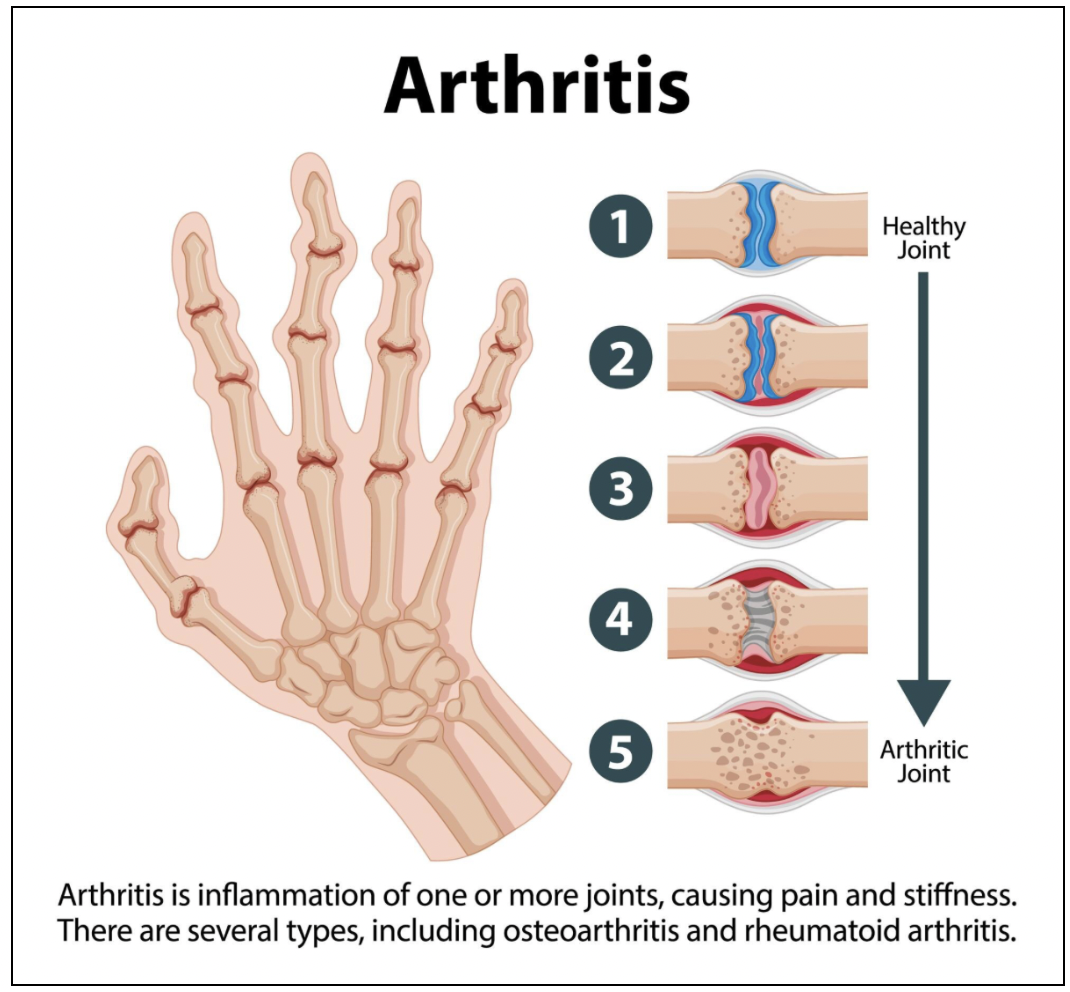
Image Credits: Freepik
Rheumatoid arthritis shows a characteristic joint pattern. The disease most commonly targets smaller joints first, particularly the hands, wrists, and feet, before potentially involving larger joints such as the knees, elbows, and shoulders. MRI and power Doppler ultrasound revealed that inflammation often begins in the synovial lining long before visible swelling occurs.
Think of your joints like precision-engineered hinges. When movement, circulation, and lubrication are optimal, joints glide effortlessly. Rheumatoid arthritis disrupts this harmony. Immune cells infiltrate the joint lining, inflammatory cytokines increase, and the natural lubrication system begins to fail. Over time, this inflammatory environment behaves like corrosion, gradually altering joint structure, reducing mobility, and increasing pain.
Emotional Perspective: The Hidden Trigger Behind Autoimmune Imbalance
In rheumatoid arthritis, prolonged emotional strain, whether from unresolved anger, grief, trauma, or sustained emotional suppression, has been associated with increased disease activity. Longitudinal studies show that individuals experiencing high psychological stress often report earlier onset and more pronounced rheumatoid arthritis early symptoms, independent of physical risk factors.
Stress-related neurotransmitters and inflammatory cytokines share overlapping pathways, meaning emotional distress can amplify immune misfiring across multiple rheumatoid arthritis stages.
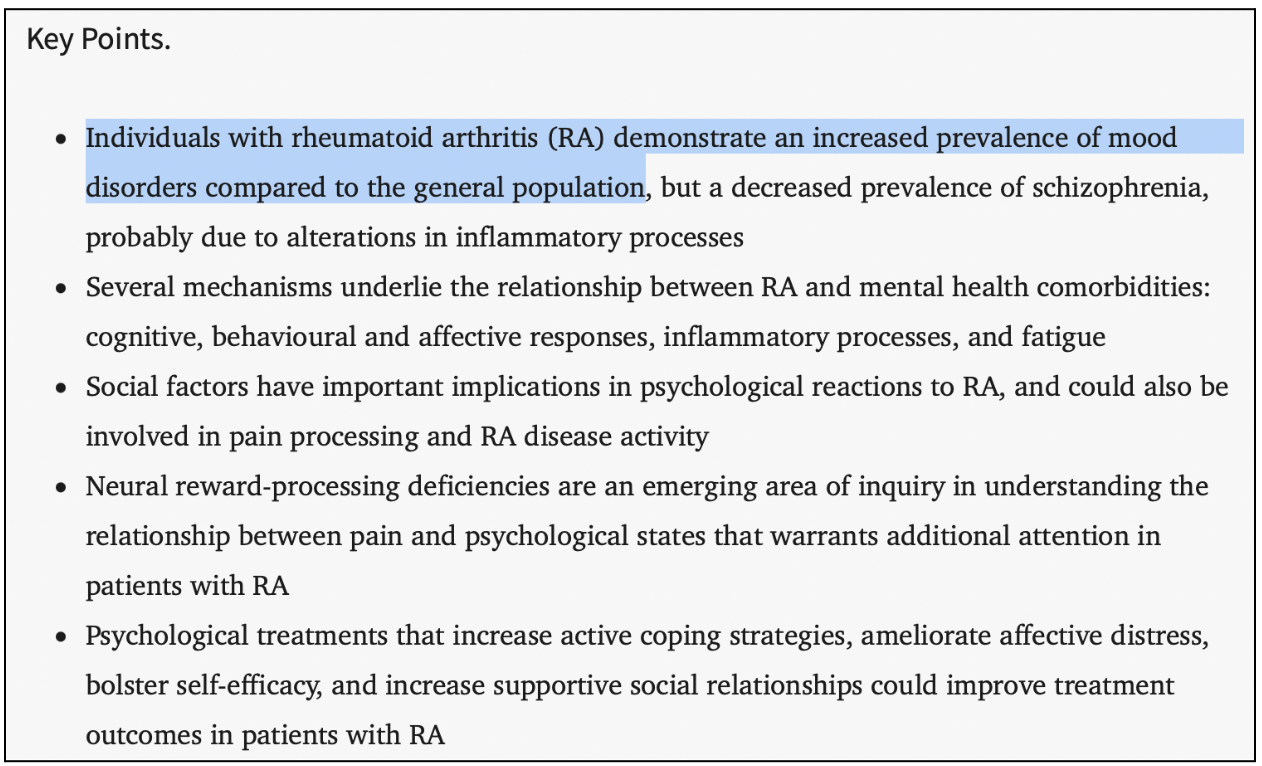
Source: Sturgeon, J. A., Finan, P. H., & Zautra, A. J. (2016). Affective disturbance in rheumatoid arthritis: psychological and disease-related pathways. Nature reviews. Rheumatology, 12(9), 532–542. https://doi.org/10.1038/nrrheum.2016.112
Addressing emotional health, therefore, is not about ‘thinking positively’. It is about restoring physiological balance. Interventions such as mindfulness-based stress reduction, structured journaling, and breath-focused practices can lower inflammatory markers and improve pain perception in people with RA. These practices help recalibrate the nervous system, improve vagal tone, and support immune modulation, key components of effective rheumatoid arthritis management.
Early Symptoms of Rheumatoid Arthritis
Rheumatoid arthritis often starts months or even years before structural joint damage becomes visible. Identifying rheumatoid arthritis in its earliest phase significantly reduces the risk of joint deformity, disability, and loss of function. This early window is critical because the disease progresses through identifiable rheumatoid arthritis stages, and the earlier immune-driven inflammation is addressed, the better the long-term outcome.
Common early symptoms to watch for include:
- Morning stiffness lasting longer than 30 minutes: This is one of the most clinically significant early signs.
- Swollen, tender, or warm joints, often in smaller joints first: The immune system initially targets the synovial lining of small joints in the hands, wrists, and feet.
- Persistent fatigue and low energy: Fatigue in RA is not just physical tiredness. Inflammatory cytokines change in energy metabolism and nervous system signaling, explaining why exhaustion can precede joint pain.
- Mild fever or a general sense of being unwell: Low-grade fever reflects systemic inflammation. This immune response is part of the body’s inflammatory cascade and is often overlooked or attributed to minor infections.
- Symmetrical joint discomfort: Pain or stiffness affecting both sides of the body, such as both hands or both knees, is a hallmark of inflammatory arthritis and helps differentiate RA from injury-related joint pain.

Image Credits: Freepik
These symptoms are especially important for younger individuals to recognize.
How Rheumatoid Arthritis Is Diagnosed
The diagnostic process usually begins with a detailed medical evaluation. Clinicians assess joint tenderness, swelling, warmth, and symmetry, paying close attention to smaller joints of the hands and feet. Equally important is the patient’s history, patterns of morning stiffness, fatigue, and episodic flares provide insight into underlying rheumatoid arthritis reasons, particularly immune-mediated inflammation rather than mechanical wear. Physical examination remains a cornerstone because early inflammatory changes may be subtle and fluctuate in intensity.
Blood markers add another critical layer of information. While no single blood test can diagnose RA in isolation, specific markers help confirm immune involvement and assess disease activity.
- Rheumatoid Factor (RF): RF is one of the earliest identified autoantibodies in RA and is present in a significant proportion of patients. While RF is not exclusive to RA, higher levels are often associated with more aggressive disease patterns.
- Anti–cyclic citrullinated peptide (anti-CCP) antibodies: Anti-CCP antibodies are highly specific to RA and are now considered one of the most reliable predictive markers. Anti-CCP positivity can appear years before clinical symptoms and is strongly associated with disease progression across rheumatoid arthritis stages.
- Inflammatory markers (ESR and CRP): Elevated erythrocyte sedimentation rate (ESR) and C-reactive protein (CRP) reflect systemic inflammation. These markers are useful for assessing disease activity and monitoring response to rheumatoid arthritis management, rather than serving as diagnostic tools on their own.
Imaging studies further refine diagnosis, particularly in early disease. Conventional X-rays may appear normal in initial stages, which is why advanced imaging has become increasingly important. High-resolution ultrasound and MRI can detect synovial inflammation, increased blood flow, and early bone changes well before permanent damage occurs.
Risk Factors: Who’s More Likely to Develop Rheumatoid Arthritis
Rheumatoid arthritis does not arise from a single cause. Decades of immunological and epidemiological research show that it develops when genetic vulnerability intersects with environmental and lifestyle triggers. This interaction explains why two people with similar habits may experience very different outcomes, and why understanding rheumatoid arthritis reasons is essential for prevention and early intervention across the various rheumatoid arthritis stages.
Non-modifiable risk factors
- Genetic predisposition and family history: Large genome-wide association studies published in Nature Genetics and The New England Journal of Medicine have identified specific HLA-DRB1 gene variants strongly associated with RA. These genes influence how the immune system presents antigens, increasing the likelihood of autoantibody formation. While genetics alone do not cause RA, they create a biological terrain where immune misfiring is more likely.
- Gender-related immune differences: Women are disproportionately affected by RA, a finding consistently reported in global population studies. Research highlights that women tend to mount stronger immune responses, which may enhance protection against infections but also raises susceptibility to autoimmunity.
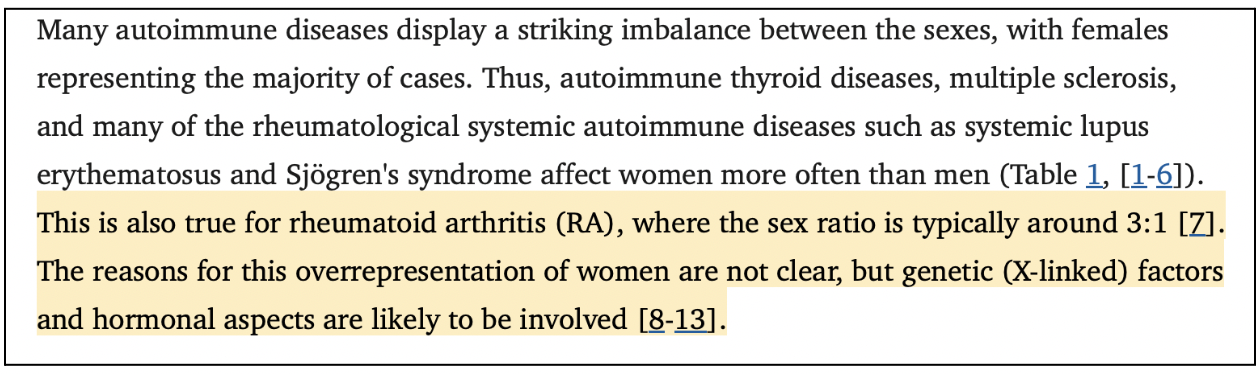
Source: van Vollenhoven R. F. (2009). Sex differences in rheumatoid arthritis: more than meets the eye… BMC medicine, 7, 12. https://doi.org/10.1186/1741-7015-7-12
3. Age and immune aging: RA most commonly presents between the ages of 30 and 60, but younger adults are increasingly being diagnosed.
4. Hormonal transitions: Pregnancy, postpartum changes, and menopause are periods of significant immune recalibration. Hormonal shifts can influence inflammatory pathways, helping explain fluctuations in disease risk and symptom expression during these life stages.
While genetics load the gun, lifestyle often pulls the trigger. The good news is that several major risk factors are modifiable, offering a powerful opportunity for prevention and better rheumatoid arthritis management.
Modifiable risk factors
- Smoking and immune activation: Smoking is one of the strongest environmental risk factors for RA. Smoking alters protein structures in the lungs, triggering citrullination and subsequent autoantibody production, particularly in genetically predisposed individuals.
- Excess body weight and inflammatory load: Adipose tissue is not inert; it actively produces inflammatory cytokines. Obesity amplifies systemic inflammation, worsens symptom severity, and accelerates progression across rheumatoid arthritis stages.
- Food patterns and nutrient density: Foods low in antioxidants, omega-3 fatty acids, and polyphenols are associated with higher inflammatory markers.

Image Credits: Freepik
4. Physical inactivity: Sedentary behavior has been linked to increased stiffness and reduced joint resilience, even before overt joint damage becomes evident.
5. Chronic psychological stress and unresolved emotional trauma: Prolonged stress alters cortisol signaling and immune regulation, promoting inflammatory pathways linked to autoimmune disease. Emotional load, when unaddressed, becomes a physiological burden.
Understanding these risk factors reframes rheumatoid arthritis not as an unavoidable fate, but as a condition shaped by biology, environment, and daily choices. When we recognize risk early and respond with informed lifestyle shifts, we don’t just manage symptoms, we influence the very mechanisms that drive disease progression.
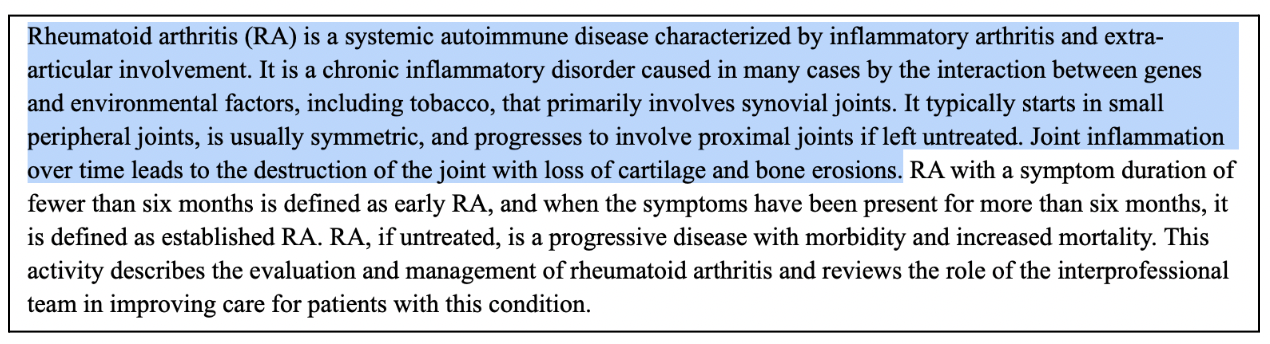
Source: Chauhan K, Jandu JS, Brent LH, et al. Rheumatoid Arthritis. [Updated 2023 May 25]. In: StatPearls [Internet]. Treasure Island (FL): StatPearls Publishing; 2025 Jan-. Available from: https://www.ncbi.nlm.nih.gov/books/NBK441999/
Lifestyle Interventions: Protecting Your Joints Before Damage Sets In
Rheumatoid arthritis may originate in immune dysfunction, but how it unfolds is deeply influenced by daily lifestyle inputs.
These are the lifestyle interventions that would help you:
- Food for calming inflammation at the cellular level: Foods rich in omega-3 fatty acids, polyphenols, and antioxidants can downregulate pro-inflammatory cytokines such as TNF-α and IL-6—key drivers of RA progression.
How Your Plate Can Calm Inflammation Or Fuel It
| Dos (Foods That Support Inflammation Control) | Don’t (Foods That Can Fuel Inflammation) |
| Fatty fish (salmon, sardines, mackerel): Rich in omega-3 fatty acids that help reduce inflammatory messengers like TNF-α and IL-6 | Processed meats (sausages, bacon, salami): High in inflammatory fats and additives that can aggravate immune activity |
| Turmeric with black pepper: Contains curcumin, known to modulate inflammatory pathways when absorbed properly | Refined sugars (sweets, pastries, sugary drinks): Spike blood sugar and promote low-grade inflammation |
| Deeply coloured vegetables (spinach, broccoli, beetroot, carrots): High in antioxidants that protect joint tissues from oxidative stress | Refined carbohydrates (white bread, white pasta, bakery items): Can worsen insulin resistance and inflammatory load |
| Berries (blueberries, strawberries, raspberries): Rich in polyphenols that support immune regulation | Excess fried foods: Often contain oxidized oils that increase inflammatory markers |
| Nuts and seeds (walnuts, flaxseeds, chia seeds, pumpkin seeds): Provide healthy fats, fibre, and micronutrients essential for immune balance | Ultra-processed snacks (chips, packaged foods): High in salt, additives, and unhealthy fats |
| Whole grains (millets, oats, brown rice, quinoa): Support gut health, which plays a key role in immune regulation | Excess alcohol: Can disrupt gut integrity and increase systemic inflammation |
| Extra virgin olive oil: A source of anti-inflammatory polyphenols | Trans fats (margarine, commercial baked goods): Strongly linked to increased inflammation |
| Fermented foods (curd, kefir, fermented vegetables): Help support a healthier gut microbiome | Highly processed dairy (where sensitivity exists): May worsen symptoms in some individuals |
A gentle reminder:
There is no single ‘perfect’ food for rheumatoid arthritis. The goal of rheumatoid arthritis foods to eat is not restriction, but reducing inflammatory load while supporting immune balance and gut health. What you eat consistently matters more than occasional indulgences. Listening to your body and observing how it responds to foods is just as important as following general guidelines.
2. Movement for nourishing joints without overloading them: Joints are designed to move, and controlled movement is one of the most effective ways to preserve their function. Low-impact physical activity improves synovial fluid circulation, reduces stiffness, and supports muscle strength without aggravating inflammation. Activities such as swimming, yoga, gentle stretching, and resistance training enhance joint stability and reduce pain sensitivity. Movement also improves insulin sensitivity and metabolic health, factors now recognized as contributors to autoimmune activity.
3. Sleep and stress regulation for immune repair happens at rest: Sleep is not passive recovery; it is active immune recalibration. Insufficient or disrupted sleep increases inflammatory markers and impairs immune tolerance. Chronic psychological stress compounds this effect by altering cortisol rhythms and promoting sustained immune activation. Addressing sleep quality and stress is therefore foundational to effective rheumatoid arthritis management, not an optional add-on.

Image Credits: Freepik
4. Cold climates and infrared support: Cold exposure can increase joint stiffness by reducing blood flow to peripheral tissues. Gentle heat therapy, including infrared lamps, may help improve circulation, relax surrounding muscles, and reduce discomfort during colder months. While not a cure, this approach can be a practical adjunct for symptom relief, particularly for individuals living in colder environments.
5. Daily habits that quietly shape disease trajectory
- Maintaining a healthy body weight reduces inflammatory load and joint stress, as adipose tissue actively releases pro-inflammatory mediators.
- Avoiding smoking and limiting alcohol intake protects immune regulation and reduces oxidative stress, both critical in slowing progression across rheumatoid arthritis stages.
- Listening to the body during flare-ups and allowing strategic rest prevents excessive immune activation and tissue strain.
Note: Lifestyle choices do not work overnight, and they are not meant to replace medical care. But science increasingly confirms that they influence how aggressively the disease behaves.
Myths vs Facts on Rheumatoid Arthritis
Misinformation around rheumatoid arthritis often delays diagnosis and appropriate care. Many people dismiss early warning signs because they are guided by outdated beliefs rather than current scientific understanding.
Clarifying these myths is not just educational, it is preventive.
Myth: Arthritis only affects the elderly
Fact: Rheumatoid arthritis can begin decades earlier than most people expect. There is a rising incidence of RA among individuals in their 20s, 30s, and early 40s. The immune changes that drive RA do not wait for aging joints; they often emerge during periods of high metabolic, hormonal, or emotional demand.
Myth: Joint pain is always due to wear and tear
Fact: Mechanical joint degeneration and autoimmune inflammation are fundamentally different processes. RA originates from immune-mediated synovial inflammation, not cartilage erosion from overuse. In RA, immune cells infiltrate the joint lining, release inflammatory cytokines, and progressively alter joint structure. Treating autoimmune inflammation as simple wear-and-tear delays accurate diagnosis and allows disease activity to advance through multiple rheumatoid arthritis stages.
Myth: Nothing can be done to slow arthritis progression
Fact: While RA cannot be reduced to a single intervention, a growing body of evidence supports the role of lifestyle in modulating disease activity. Studies in Autoimmunity Reviews and Arthritis Research & Therapy demonstrate that food quality, stress regulation, sleep, and physical activity influence inflammatory pathways and symptom severity.
Myth: Rheumatoid arthritis is purely genetic
Fact: Genetics increase susceptibility, but they do not act alone. Environmental exposures, such as smoking, dietary patterns, stress, and infections, interact with genetic risk to trigger disease onset. In fact, many individuals with genetic markers for RA never develop the condition, underscoring the powerful influence of modifiable lifestyle and environmental factors on immune expression.
Testimonial CornerFrom Debilitating Pain to 10K Runs: Sakshat’s Rheumatoid Arthritis Journey
She had dreams of running marathons and crossing finish lines, and she was determined not to let rheumatoid arthritis define the limits of her life. Given the nature of rheumatoid arthritis and the state of her digestion, our primary focus was to support gut health, with the aim of calming immune overactivity and managing systemic inflammation. Since she was actively training, her nutrition, rest, and recovery protocols were carefully tailored to meet the demands of endurance running. Within a couple of months, Sakshat began noticing some shifts. Her gut health improved, pain and stiffness reduced, energy levels increased, and recovery became faster and more efficient. These changes supported her training, not by pushing her body harder, but by helping it function better. Today, she is running 10K marathons and completing 3-hour runs, something that once felt distant during those painful winter months. Sakshat’s journey is a reminder of the power of fixing your foundations. It is not about quick fixes or promises, it is about understanding the body, supporting it intelligently, and giving it the right environment to function at its best. For anyone navigating rheumatoid arthritis, her story stands as a proof that movement, resilience, and progress are possible. |
 It was during the winter of 2023 that Sakshat reached out to us while experiencing
Keep Your Foundations Strong
Strong foundations are built in the unglamorous, consistent moments, like how you nourish yourself daily, how deeply you sleep, how you manage pressure, how well your gut absorbs what you feed it, and how honestly you process emotions instead of storing them in the body. These are not add-ons to care; they are the base on which everything else stands.
Protect your foundations early. Strengthen them daily. Because when the base is strong, the body doesn’t just cope, it learns to move forward with stability, strength, and confidence.
If this resonates with you, take a moment to watch this
View this post on Instagram
Disclaimer: This blog is intended for educational and informational purposes only. It does NOT diagnose, treat, cure, or replace professional medical advice. Rheumatoid arthritis is a complex autoimmune condition, and each individual’s experience, progression, and response to lifestyle interventions can vary. Always consult a qualified healthcare professional, rheumatologist, or medical practitioner before making any changes to your food habits, exercise routine, supplements, or medical treatment plan.
If you’re struggling with arthritis, you don’t have to wait.
Set up a one-on-one consultation with our team or explore our Wellness Programs to optimize your skin health.
Reach out to us at 1800 102 0253 or write to us at [email protected].