No products in the cart.
Long before the two pink lines appear, the foundations of fertility are already being laid.
Not when you start trying.
Not when you download an ovulation app.
Not when you finally book that gynecologist appointment.

Image Credits: Freepik
It’s happening right now, in your late-night work emails, in your skipped meals, in your stress levels, in your sleep cycle.
Many women are told that fertility health is about hormones.
And pregnancy health is about supplements.
But the truth? Your body prepares months before conception.
Conception is not a switch that can be turned on or off. It is the outcome of a body that feels nourished, regulated, and safe.
At Team Luke, we approach fertility and pregnancy through the lens of Foundational Medicine: strengthening preconception health, restoring metabolic and hormonal balance, supporting sleep and pregnancy health, and building resilience long before labor begins. Because pregnancy is not just a medical event. It is a biological process that thrives on rhythm.
So, here we’ll explore:
- What true fertility health and pregnancy health really mean beyond reports and scans
- The 90–120 day preconception health window and how to improve fertility naturally
- The connection between stress and fertility, gut health and fertility, and inflammation and fertility
- What happens from conception through each trimester
- Why modern lifestyles are disrupting hormonal balance for pregnancy
- The foundations of nutrition for pregnancy and building a sustainable, healthy pregnancy lifestyle
Because when you prepare your foundation, you’re not just planning a pregnancy.
You’re preparing a generation.
Fertility Health: More Than Ovulation and Egg Count
At Team Luke, we say this often: fertility health is not a monthly event. It is a systems event.
- It is not just about whether you ovulate.
- It is not just about your AMH (Anti-Müllerian Hormone) level, a blood marker that estimates ovarian reserve, or the number of eggs remaining.
- And it is definitely not just about egg count.
True fertility health reflects how well your entire body is functioning.
It depends on:
- Egg quality (mitochondrial function and chromosomal integrity, not just quantity)
- Sperm quality
- Uterine receptivity and endometrial health
- Hormonal balance for pregnancy
- Insulin sensitivity and metabolic stability
- Inflammation and fertility regulation
- Gut health and fertility signaling
- Sleep and circadian rhythm stability
- A regulated stress response
Now here’s what most women are not told.
Yes, you are born with all the eggs you will ever have. But their quality is influenced daily. Egg quality is closely linked to:
- Mitochondrial health
- Oxidative stress levels
- Micronutrient sufficiency
- Metabolic balance
- Elevated inflammation
Insulin resistance can impair ovulation. Chronic stress can suppress progesterone. Poor sleep can disrupt reproductive hormone signaling.
Your reproductive system does not function in isolation.
It responds to your nervous system.
It responds to your gut.
It responds to your blood sugar patterns.
It responds to inflammation.
This is why preconception health is foundational.
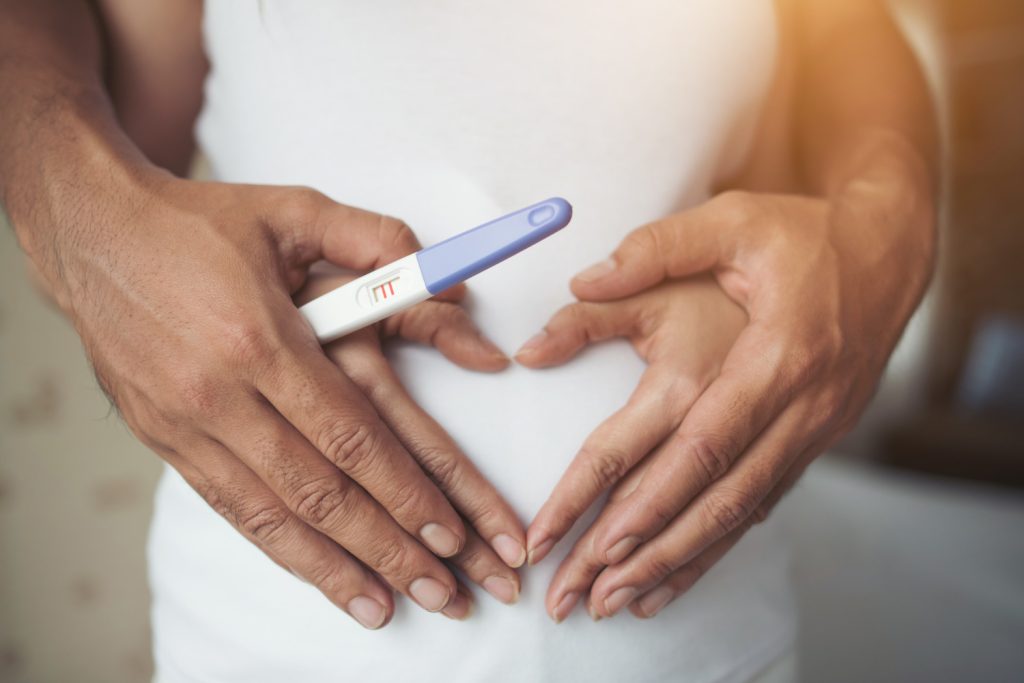
Image Credits: Freepik
The 90–120-Day Preconception Window: Why the “Before” Matters
There’s a biological truth many women don’t hear enough: fertility doesn’t start the moment you decide to try. It starts months before, in how your eggs mature, how sperm regenerate, and how your body prepares internally for a future pregnancy.
This period, often referred to as the 90–120-day preconception window, is a powerful opportunity to strengthen your foundations for both conception and pregnancy health.
Let’s break it down in a way that feels practical, scientific, and most importantly, empowering.
Eggs and Sperm: A Timeline You Should Know
| Egg maturation | Sperm regeneration |
|
|
Together, these timelines make the three months leading up to conception a critical period where cumulative lifestyle factors literally set the stage for how your body approaches pregnancy.
Why This Window Matters
Here’s what experts say:
- Environmental signals before conception influence sperm epigenetics. Chemical exposures, stress, nutrition, and exercise can shape how genes are expressed in sperm, which may influence reproductive success and even aspects of the child’s health.
- Preconception nutrition influences male fertility outcomes. Healthier food patterns (more whole foods, seafood, and healthy fats; fewer sugary drinks and processed meats) are associated with improved sperm health.
- Optimizing micronutrients like folate, Vitamins B6/B12, Vitamin D, and antioxidants in both partners before conception supports egg and sperm cellular processes essential for DNA integrity and early embryo development.
In simpler terms: the body that meets conception is not just hormonal at that moment; it is a lived story. Investing in this window doesn’t guarantee outcomes, but it strengthens your foundation in the most biologically meaningful ways.
And the best part? It gives both partners, biologically and emotionally, a sense of agency, not just anticipation.
The Emotional Side of Family Planning for a Better Pregnancy Health Journey
Before conception becomes biological, it is emotional.
Family planning today is rarely neutral. It carries pressure, timelines, comparisons, and often silent fear.
“When are you planning?”
“You shouldn’t wait too long.”
“Everyone else is already pregnant.”
Add to that the scrolling, pregnancy announcements, baby showers, in-vitro fertilization (IVF) journeys, “bounce-back” stories, and what should be an intimate decision becomes a public timeline.
For many women, this phase quietly affects fertility health long before pregnancy health even begins. There is:
- Fear around the biological clock
- Career vs motherhood guilt
- IVF anxiety
- Emotional exhaustion from “trying”
- Comparison-driven self-doubt
- Internal pressure to control outcomes
And the body listens.
Stress, Cortisol, and Ovulation
Chronic emotional stress activates the hypothalamic-pituitary-adrenal (HPA) axis, increasing cortisol production. Persistently elevated cortisol can interfere with the hypothalamic-pituitary-ovarian (HPO) axis, the system responsible for ovulation and progesterone production.
- Research shows that higher levels of perceived stress are associated with reduced fecundability (the probability of conceiving per cycle) and altered reproductive hormone patterns.

Source: Wesselink AK, Hatch EE, et al. Perceived Stress and Fecundability: A Preconception Cohort Study of North American Couples. Am J Epidemiol. 2018 Dec 1;187(12):2662-2671. doi: 10.1093/aje/kwy186. PMID: 30137198; PMCID: PMC6887691.
This doesn’t mean stress “causes infertility.” It means the body prioritizes survival over reproduction when it perceives a threat. Reproduction is biologically safest in states of regulation.
Safety and Love as Biological Signals
When a woman feels emotionally supported, accepted, and safe in her decision, whether that includes natural conception, IVF, delayed motherhood, or choosing not to have children, her nervous system shifts.
Lower cortisol.
Better sleep.
More stable ovulatory cycles.
Perceived emotional support during preconception and pregnancy is associated with lower anxiety levels and improved pregnancy outcomes.
- Safety and love are not abstract ideas.
- They are biological signals of protection.
- They tell the brain: It is okay to soften. It is okay to prepare.
Fertility cannot be forced through fear. It responds better to regulation than urgency.
And when emotional safety aligns with physical readiness, the body begins to shift from anticipation to possibility.
From Conception to the Fourth Trimester: What Actually Happens
Pregnancy does not begin at the positive test. It begins at conception, and from that point onward, the body moves through clear, measurable biological stages. Each phase builds on the previous one, shaping both pregnancy health and long-term maternal health and baby development.
Let’s walk through it, simply and clearly.
The Moment of Conception
Ovulation releases a mature egg into the fallopian tube.
- The egg survives for about 12–24 hours.
- If sperm are present, fertilization can occur during this window.
- The moment one sperm penetrates the egg, a full genetic blueprint is formed.
- Chromosomes combine instantly.
- Cell division begins within hours.
But fertilization alone is not enough.
- Over the next 5–6 days, the fertilized egg (blastocyst) travels toward the uterus.
- Around day 6–10, implantation begins.
- This stage is critical and often underestimated in discussions about fertility health.
Successful implantation depends on:
- Healthy uterine blood flow
- Stable progesterone levels
- Balanced immune signaling
- Controlled inflammation
Once implantation occurs, progesterone rises further to stabilize the uterine lining. The developing embryo produces hCG, the hormone detected in pregnancy tests.
Most of this happens before a woman even knows she is pregnant.
First Trimester of Pregnancy (Weeks 1–12)
This is a phase of rapid internal development.
During these weeks:
- The placenta forms and establishes a blood supply
- Major organs begin developing (organogenesis)
- hCG, estrogen, and progesterone rise sharply
- The immune system adapts to tolerate the embryo
- Blood volume begins increasing
Fatigue during this phase is largely due to placental development and hormonal shifts.
- Nausea is associated with rising hCG levels. Emotional sensitivity reflects both endocrine and neurological adaptation.
Early placental development plays a central role in long-term pregnancy outcomes. This trimester is foundational for pregnancy health, even if externally it appears quiet.
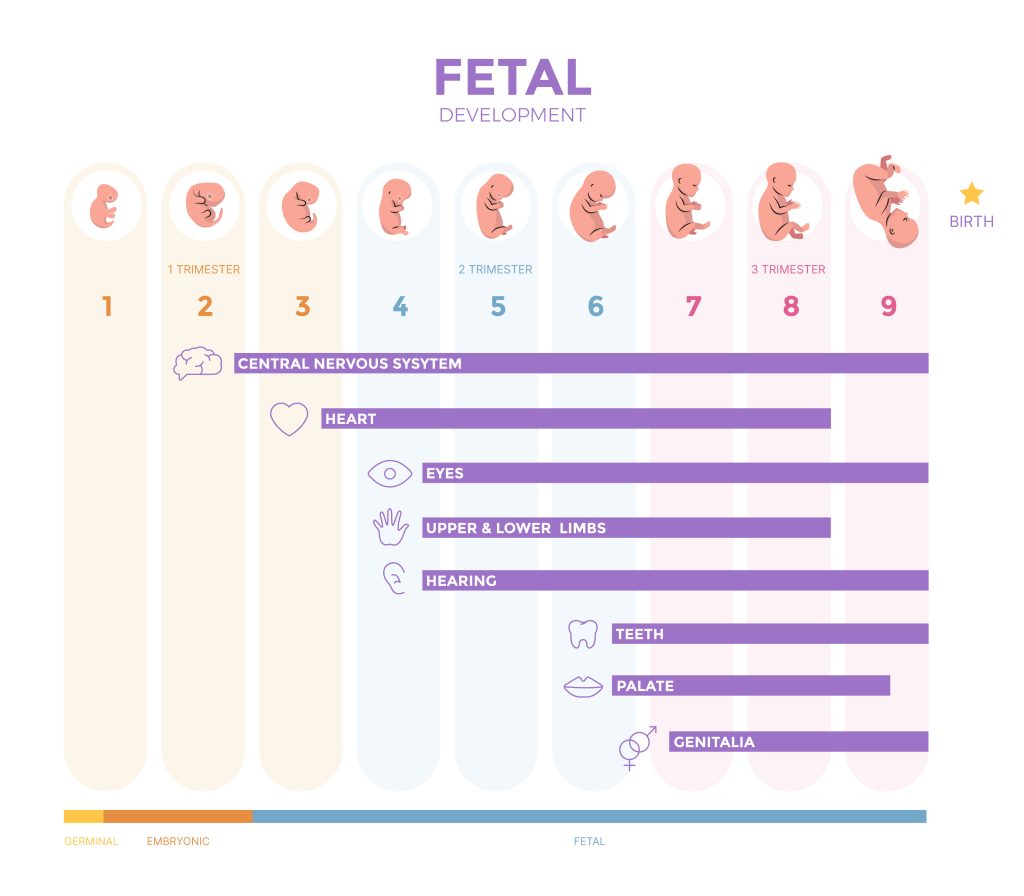
Image Credits: Freepik
Second Trimester of Pregnancy (Weeks 13–27)
By now:
- The placenta is fully functional
- Blood volume increases by approximately 40–50%
- Insulin sensitivity begins to change
- Relaxin softens ligaments and joints
- The baby develops hearing
Metabolic shifts during this period are significant. Changes in insulin regulation influence energy supply to the fetus and may affect gestational diabetes risk.
An important insight: maternal stress hormones can cross the placenta. Persistent high cortisol exposure has been associated with changes in fetal stress regulation.
This is where stress, sleep, and pregnancy health continue to matter. Regulation supports both mother and baby.
Third Trimester (Weeks 28–Birth)
This phase focuses on growth and neurological maturation.
- Rapid fetal brain development occurs
- Fat stores accumulate
- The nervous system matures
- Oxytocin receptors increase in preparation for labor
- Prolactin prepares the body for lactation
Late-pregnancy brain development is highly active and energy-dependent.
- Stable blood sugar, adequate nutrition for pregnancy, sleep quality, and inflammation control all influence this stage.
Birth preparation is hormonal and neurological, not just physical.
Postpartum: The Fourth Trimester of Pregnancy
Delivery triggers a dramatic hormonal shift.
- Estrogen and progesterone drop rapidly
- Oxytocin supports bonding and breastfeeding
- Sleep becomes fragmented
- Nutrient stores may be depleted
- Emotional vulnerability increases
The fourth trimester is not a weakness. It is recovery, recalibration, and renewal.
Now that you understand how conception happens and how each trimester unfolds, the next natural question is:
If biology is this intelligent, what is disrupting it today?
What are the factors silently affecting fertility health and pregnancy health that most women are not told about?
Why Modern Fertility and Pregnancy Are Struggling
Fertility and pregnancy health are not declining because women are “less capable.” They are challenged because modern biology is mismatched with the modern lifestyle.
Here are the most important science-backed factors affecting egg quality, ovulation, implantation, and long-term maternal health and baby development today:
| Polycystic-Ovary Syndrome (PCOS) & Metabolic Dysfunction |
|
| IVF & Assisted Reproduction |
|
| Workplace Stress & Corporate Culture |
|
| Night Shift & Circadian Disruption |
|
| Environmental Toxins |
|
| Preconception “Detox” Myths |
|
| Age vs Lifestyle |
|
| Social Media Anxiety |
|
| Postpartum Depletion & Recovery Gaps |
|
The solution is not to panic. It is rebuilding foundational systems.
Foundational Medicine for Fertility & Pregnancy
Now that we’ve seen what disrupts fertility health and pregnancy health, the next step is simple:
Strengthen the foundations.
The same systems that improve fertility resilience are the ones that support implantation, fetal development, smoother labor, and postpartum recovery. You don’t need two separate lifestyles. one for conception and one for pregnancy. You need one strong foundation.
Here’s how.
1. Food Science & Nutrient Synergy
Food is not calories. Food is cellular information for both mother and fetus.
Certain nutrients directly influence egg quality, implantation, placental development, brain growth, and hormonal balance for pregnancy.
| Nutrient | What To Do (Food-Based, Practical) |
| Folate (≈600 mcg/day) | 1–2 cups dark leafy greens daily + lentils/chickpeas 4x/week. Start 3 months preconception. Neural tube forms in first 4 weeks. |
| Iron (≈27 mg/day in pregnancy) | Lentils, beans, ragi, dates, spinach; add lean meats if non-veg. Pair with lemon/amla. Avoid tea/coffee around iron meals. Test levels before considering supplements. |
| Calcium (1,000–1,300 mg/day) | Curd, paneer, milk (if tolerated), ragi, sesame seeds, almonds, amaranth. Protects maternal bone stores. |
| DHA (200–300 mg/day equivalent) | Fatty fish 2x/week (sardines, salmon). Add walnuts, chia, flax. Critical in 2nd–3rd trimester. |
| Choline (≈450 mg/day) | 1–2 whole eggs daily. Vegetarian: soy, legumes, nuts, cruciferous vegetables. |
| Iodine (≈220 mcg/day) | Use iodized salt consistently unless medically restricted. Include dairy/eggs if consumed. Supports thyroid and fetal brain. |
| Vitamin D (target sufficiency, not guesswork) | 15–20 min morning sunlight. Include egg yolks, fatty fish. Test levels before any supplementation. |
| Protein (1–1.2 g/kg/day) | 25–35 g per meal. Combine dals + grains, eggs, dairy, tofu, lean meats. Spread across 3 meals. |
| Blood Sugar Stability | Every meal: protein + fiber + fat. No isolated carbs. 10–15 min walk post-meal. |
| Fiber (25–30 g/day) | Vegetables, fruits, legumes, seeds daily. Supports gut, glucose, estrogen balance. |
| Hydration (≈2.5–3 L/day) | Steady intake through day. Supports circulation and amniotic fluid. |
Important:
- Individual needs vary. Always review labs and dietary patterns with your gynecologist before adding supplements.
- Avoid self-prescribing high-dose nutrients.
- Food diversity first; targeted correction only when clinically indicated.
Foundational Food Practices
- Every meal = protein + fiber + healthy fat
- Eat within 60–90 minutes of waking
- No extreme calorie restriction during fertility or pregnancy
- Smart fasting only in metabolically stable women, preconception only
- Hydration: 30–35 ml per kg body weight
Food supports gut health and fertility, insulin sensitivity, and inflammation control. Consistency matters more than perfection.
Metabolic Stability
Insulin resistance is one of the most under-addressed fertility disruptors, even in lean women.
Pregnancy itself is a naturally insulin-resistant state in later trimesters. If a woman enters pregnancy already metabolically unstable, risk escalates (Gestational Diabetes Mellitus, inflammation, excess weight gain, fatigue crashes).
Practical Metabolic Framework
| Target | What to do |
| Stable blood sugar | Protein-first meals (25–35g per meal), no isolated carbs |
| Insulin sensitivity | 10–15 min walk after largest meal |
| Muscle as glucose sink | Resistance training 3x/week preconception; 2x/week pregnancy |
| Overnight glucose control | Early dinner (2–3 hrs before bed) |
| Reduce inflammatory load | Eliminate refined oils, ultra-processed snacks |
Pregnancy Add-On:
- Small, frequent, balanced meals if nausea
- Never skipping protein in the first trimester (supports placental development)
- Post-meal walking, especially in the second/third trimester
Worried about sailing through seasonal changes during pregnancy, read this:
https://www.lukecoutinho.com/blogs/health-condition/seasons-changes-pregnancy-tips/
2. Holistic Movement
Movement regulates metabolism, circulation, mood, and insulin sensitivity, without overstressing the body.
| Before Conception |
|
| First Trimester |
|
| Second Trimester |
|
| Third Trimester |
|
| Postpartum |
|
Goal: Support circulation and hormonal balance, not aesthetic goals.
3. Deep Sleep & Circadian Repair
Sleep is an endocrine therapy. Sleep is non-negotiable for fertility health and hormonal balance for pregnancy.
Practical Sleep Protocol
| Habit | How to do |
| Fixed sleep time | In bed by 10–10:30 PM |
| Screen cut-off | 60 mins before bed |
| Magnesium foods | Pumpkin seeds, almonds, greens |
| Breath reset | 5–7 mins nasal breathing |
| Dark room | Zero light leaks; blackout curtains if needed |
| Morning sunlight | Within 30 mins of waking |
| Afternoon reset | 15–20 min rest if needed (pregnancy) |
Additional tools:
- No caffeine after 2 PM
- Avoid heavy meals post 9 PM
- Sleep in cycles, prioritize total hours over perfection.
- Prioritize circadian repair for 8–12 weeks (during preconception).
Learn these 7 effective techniques to try a circadian rhythm reset:
https://www.lukecoutinho.com/blogs/sleep/7-reset-circadian-rhythm/
4. Emotional Regulation & Mental Health
Stress and fertility are deeply linked through the nervous system. This pillar is also non-negotiable.
| System Lever | Execution |
| Vagus nerve tone | 5 mins humming/chanting daily |
| CO₂ tolerance | 4-4-6 breathing (twice daily) |
| Emotional discharge | 10-min uncensored journaling |
| Cortisol rhythm | Sunlight within 20 mins of waking |
| Safety signaling | Slow chewing, no screen meals |
Daily Regulation Practices
- 4-7-8 breathing twice daily
- 10-minute guided meditation
- Journaling emotional triggers
- Weekly digital detox window
- Therapy or counselling when needed
- Honest conversations with a partner
Advanced Emotional Regulation (Foundational Approach)
- Identify the top 3 recurring emotional triggers
- Map physical response (tight chest? jaw? gut?)
- Create a regulation response before reaction (breath, pause, movement)
- Weekly emotional audit: “Where am I over-controlling?”
Pregnancy Add-On:
- Reduce overstimulation (news/social media comparison)
- Scheduled rest periods (20 min horizontal rest daily)
- Birth preparation breathwork (long exhale breathing for labor training)
Why this matters: High cortisol → lowers progesterone → impacts implantation & pregnancy stability.
5. Nature & Environment Reset
Both internal and external environments influence fertility health.
| External |
|
| Internal |
|
Pregnancy Add-On:
- Avoid unnecessary antibiotic exposure
- Monitor recurrent infections early
- Support iron without over-supplementing
Gut health influences estrogen metabolism, inflammation, and fertility dynamics.
6. Breathwork, Spirit & Purpose
Reproductive health thrives in parasympathetic dominance.
- 5 mins box breathing mid-day
- 10 slow belly breaths before meals
- Humming/chanting (vagus stimulation)
- Gratitude reflection nightly
- Purpose-driven living (reduce identity pressure around motherhood)
Oxytocin regulation supports labor progression and postpartum bonding.
Foundational Practices
- Weekly 30-min device-free partner check-in
- Define shared parenting expectations pre-birth
- Delegate household load in the third trimester
- Create a postpartum support system before delivery
This pillar connects biology with meaning.

Image Credits: Freepik
FIND YOUR RHYTHM
This is not philosophy. It is implementation.
- F – Feel safe (limit comparison triggers)
- I – Inhale deeply (daily breathwork)
- N – Nature exposure (sun + walking)
- D – Deep rest (non-negotiable sleep window)
- Y – Yield to smart fasting (preconception only)
- O – Open emotional conversations
- U – Unlearn fear-based myths
- R – Relationships that regulate you
- R – Relish balanced meals
- H – Holistic movement
- Y – Yearly blood markers (Vitamin D, ferritin, thyroid)
- T – Thrive in moderation
- H – Hydrate intentionally
- M – Mindful daily choices
Foundational Medicine is not extreme. It is rhythmic. When rhythm stabilizes, fertility health strengthens.
Beyond Birth: Maternal Health Shapes the Child’s Future
Birth is not the finish line. It is a biological handover.
- Epigenetics: A mother’s nutrition, stress levels, sleep, and metabolic health influence which genes are switched on or off in the baby, shaping immunity, metabolism, and disease risk long term.
- Microbiome Transfer: During vaginal birth and breastfeeding, beneficial bacteria are passed from mother to child, influencing gut health, immunity, and even mood regulation.
- Emotional Imprinting: A regulated nervous system during pregnancy and early postpartum supports secure attachment and healthy stress response patterns in the child.
- Long-Term Resilience: Stable blood sugar, adequate nutrients, emotional safety, and low inflammatory load during pregnancy contribute to stronger cognitive, metabolic, and immune foundations.
Maternal health is not separate from child health; it is the starting point.
If you’d like to go deeper into how early nutrition shapes lifelong outcomes, explore our detailed guide on child nutrition and foundational health.
https://www.lukecoutinho.com/blogs/nutrition-newborn-to-toddler/
A Note from Luke to the Father & Family
Pregnancy is not a solo performance. It is shared biology. Shared responsibility. Shared leadership.
- Sperm quality matters. Your sleep, nutrition, stress levels, and metabolic health shape embryo quality.
- Your calm becomes her calm. Emotional support lowers maternal cortisol and protects hormonal balance.
- Shared responsibility protects pregnancy. To reduce her load, practical help is biological support.
- Presence over pressure. She needs safety, not solutions.
- Protect her peace. Limit unnecessary stress, comparisons, and outside noise.
- Lead the environment. Ensure food quality, sleep routine, and household rhythm are stable.
A healthy pregnancy is built by two nervous systems, not one.
If you want to consciously build these foundations together through one of the most significant journeys of life, enroll in our online educational course:
https://www.lukecoutinho.com/course/begin-your-successful-pregnancy/
The Last Word
Pregnancy is deeply personal. It is not a competition, not a formula, not a fixed script to follow.
No two women experience it the same way, and there is no single “right” way to carry, feel, grow, or transform. Your body has its own rhythm, its own wisdom, its own pace.
The work is not about perfection.
The work is about the right foundations.
Honor your body. Trust its intelligence. Move in rhythm, not pressure.
Because long before you hold your baby in your arms, your body has already been holding a future in the quietest, strongest way possible.
Disclaimer: Foundational Medicine is an approach that works alongside medical care. It does NOT replace medications, surgeries, or medical treatments prescribed by your doctor. Any changes to medication, treatment plans, or medical protocols should always be made in consultation with your healthcare provider. Individual responses to lifestyle and foundational changes may vary based on health status, medical history, genetics, and current treatments. What works for one person may not work the same way for another.
Looking for holistic and foundational guidance for pregnancy or fertility health?
We help you find a way.
Set up a one-on-one consultation with our foundational team or explore our Pregnancy Care Program to optimize your lifestyle goals.
Reach out to us at 1800 102 0253 or write to us at [email protected].