No products in the cart.
Sleeping In on Sunday Does Not Cancel a Week of Bad Sleep: Here Is the Damage Already Done.
You know the feeling. It is Friday night, the week has drained you, and you tell yourself: “I will make up for it over the weekend.” Saturday comes and goes. Sunday morning you sleep in until 10 am. You feel better. You feel human again.
But here is what your body has already been through in those five days of short sleep. And here is why a Sunday lie-in, however long and comfortable, cannot undo it.
This is the reality of sleep debt, and it is one that most of us, especially young Indians, are quietly accumulating every single week.
The Indian Youth Sleep Crisis Is Real
Picture a typical weekday for a 26-year-old in Mumbai, Bengaluru, or Delhi. Work runs late. Commutes are long. By the time dinner is done, it is 10 PM. Then comes the scroll, the reels, the group chats, maybe a web series. By midnight the phone goes down. By 12:30 am the lights are off. The alarm goes off at 6 am.
That is 5.5 hours of sleep on a good night.
Repeat that Monday through Friday. By the time the weekend arrives, you are carrying roughly 12 to 14 hours of sleep debt. And then the plan is to fix it all with two late mornings. Sounds reasonable. Feels necessary. But science says something very different.
Watch this video to understand the critical link between sleep deprivation and its impact on lung function and overall organ health.
▶️Sleeping 8 Hours But Still EXHAUSTED? Do THIS Instead | Ft. Dr. Nimish Shah
What Sleep Debt Actually Does to Your Body
Sleep is not a luxury. It is a biological process that governs nearly every system in your body. When you cut sleep short, here is what happens inside.
1. Your Cortisol Rhythm Breaks
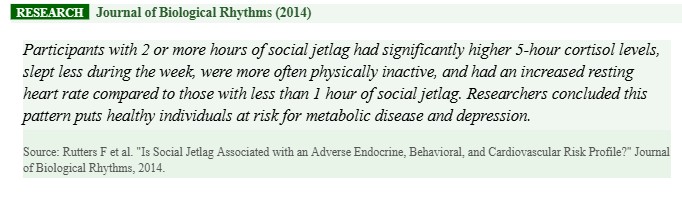
Cortisol, your primary stress hormone, follows a daily rhythm. It should peak shortly after you wake, give you alertness and energy, and taper off through the day. When you sleep late or inconsistently, this rhythm breaks down. Research has shown that even a week of moderate sleep restriction significantly disrupts cortisol patterns. A disrupted cortisol rhythm means fatigue during the day, difficulty calming down at night, elevated inflammation, and impaired immune function. Your body stays in a low-grade stressed state with no obvious reason.
2. Hunger Hormones Go Haywire
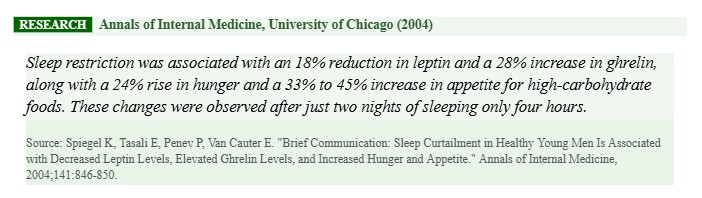
Just two nights of poor sleep raises ghrelin, the hormone that signals hunger, and suppresses leptin, the hormone that signals fullness. A landmark University of Chicago study found that after just two nights of restricted sleep, men had an 18 percent drop in leptin and a 28 percent rise in ghrelin, along with a 24 percent increase in hunger. The craving was strongest for calorie-dense, high-carbohydrate foods.
This explains why, after a bad night of sleep you are not just tired. You are reaching for a high-calorie snack at 11 AM and craving chai every two hours. Your body is not broken. It is responding exactly as the biology predicts.
3. Insulin Sensitivity Drops
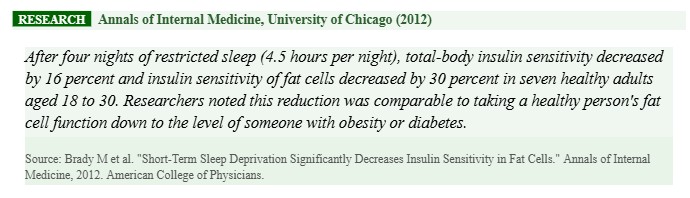
Sleep deprivation impairs the body’s ability to use insulin efficiently. Research from the University of Chicago demonstrated that just four nights of sleep restriction reduced whole-body insulin sensitivity by approximately 23 percent in healthy young adults, and insulin sensitivity in fat cells by 30 percent. This means your cells become less responsive to insulin, blood sugar rises, and your risk for metabolic issues climbs.
For a generation already dealing with rising rates of PCOS (Polycystic Ovarian Syndrome), thyroid dysfunction, and early-onset diabetes, this is not a minor detail. It is a direct consequence of a lifestyle that treats sleep as optional.
Your Circadian Rhythm: The Clock You Cannot Reset with a Snooze Button
Your circadian rhythm is your internal 24-hour biological clock. It regulates not just sleep but also when your body releases hormones, repairs cells, primes digestion, and switches on immune surveillance. Every organ follows this clock.
When you sleep at 1 AM on weekdays and try to compensate by sleeping until 10 AM on weekends, you create what scientists call social jetlag. Your clock shifts. Melatonin gets released later. Cortisol wakes you up later. And then Monday morning arrives and you force yourself awake at 6 AM again, completely out of sync.
The circadian rhythm thrives on consistency. It wants the same sleep window every day. Not flexible on weekends. Not adjusted for social events. Consistent.

So Does Weekend Catch-Up Sleep Work at All?
The short answer is not in any meaningful metabolic sense.
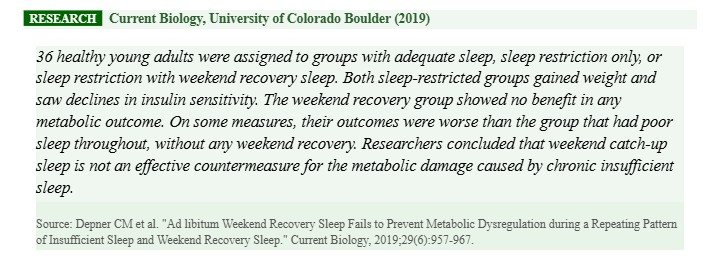
A 2019 study published in Current Biology from the University of Colorado Boulder found that the weekend recovery sleep group actually fared worse on several metabolic measures. Whole-body insulin sensitivity in the sleep-restricted group declined by 13 percent. In the weekend recovery group, it worsened by 9 to 27 percent, with muscle and liver insulin sensitivity scoring worse than those who had poor sleep all week without any recovery.
The brain may feel less foggy. But the hormones, the metabolism, and the circadian rhythm remain disrupted. You feel better because your subjective sleepiness has gone down. Your body, however, is still paying the price.
What to Actually Do: Your Move-to-Action Plan
Knowing the problem is one thing. Changing the habit is another. Here is a practical, realistic plan you can start this week.
Step 1: Fix Your Wake Time First
Pick a wake time and protect it every single day, including weekends. Even if you slept late the night before, wake up at the same time. This is the single most powerful thing you can do to stabilize your circadian rhythm. It feels brutal at first. Within seven to ten days your body starts adjusting sleep onset naturally.
Step 2: Create a Hard Stop for Screens
Blue light from screens suppresses melatonin production. Scrolling until midnight is not relaxing your nervous system. It is stimulating. Set a firm screen-off time 45 to 60 minutes before bed. Use that time to read something physical, do gentle stretching, or simply lie still. This gives your brain the signal it needs to transition into sleep mode.
Step 3: Make Your Bedroom a Cave
Dark, cool, and quiet. These three conditions signal safety to your nervous system and accelerate sleep onset. Even small amounts of light from phone screens or street lights can delay melatonin release. Invest in blackout curtains if possible. Keep your phone across the room or outside the room entirely.
Dive deeper into the benefits in our 🔗detailed blog.
Step 4: Shift Your Social Life, Not Your Sleep
Late-night outings, events that run past midnight, or long evening calls cut into your sleep window regularly. You do not have to become antisocial. But you do need to start recognizing that every hour of sleep you sacrifice for entertainment is a biological debt you are adding to your account.
Step 5: Track Your Sleep Honestly
Use a basic journal or a free app. Note what time you got into bed, what time you fell asleep, and what time you woke up. Patterns will emerge within a week. You will see exactly where your sleep is leaking and what is causing it. Awareness is the first step to change.
Step 6: Protect the First 90 Minutes of Sleep
The deepest, most physically restorative sleep happens in the first 90-minute cycle after you fall asleep. Growth hormone is released. Cell repair happens. Immune memory is consolidated. If this window is disturbed by a phone notification, light, or noise, you miss the most valuable part of the night. Guard it.
The Bottom Line
You cannot outsmart biology. Sleep is not a bank where you make withdrawals all week and deposits on the weekend. Every night of poor sleep has a biological cost paid in real time, in your hormones, your metabolism, your mood, and your long-term health.
The good news is that your body is remarkably adaptive when you give it what it needs consistently. Start this week. Pick a wake time. Set a screen curfew. Create a sleep-friendly environment. Do this for 21 days and notice how different you feel, not just on Sunday morning but every single morning.
Sleep is not the thing you sacrifice to get ahead in life. Sleep is what makes it possible to show up as your best self in every area of life. Protect it like it matters. Because it does.
DISCLAIMER: This blog is for educational and informational purposes only and is not a substitute for professional medical advice, diagnosis, or treatment. If you have a diagnosed sleep disorder or chronic health condition, please consult a qualified healthcare professional. Individual sleep needs vary, and the guidance here is intended as general wellness information.
If sleep issues or constant fatigue are affecting your daily life, it’s time to take action.
Book a one-on-one consultation with our integrative team or explore our Wellness Programs designed to support and improve your sleep quality.
Call us at 1800 102 0253 or email us at: [email protected] to get started.