No products in the cart.
How many of you out there sadly still believe that eating a banana makes you fat?
I hear this all the time in my practice, and let me tell you straight: it’s not a banana that makes you fat, it’s your lifestyle.
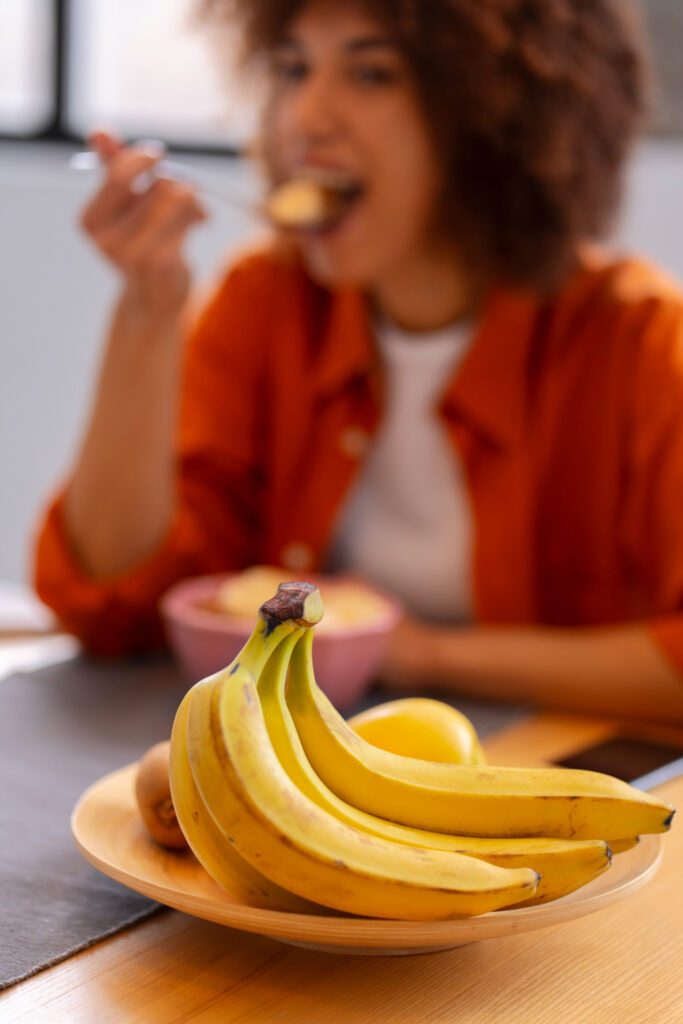
Image Credits: Freepik
Bananas are one of the simplest, most natural whole-food snacks available to us. Yet, over the years, clever marketing has exploited what nature provides and instilled fear around real food.
Why? To push you towards supplements, fake foods, and packaged ‘weight-loss powders’ that never address the root cause of fat gain. Don’t be fooled.
So let’s put common sense back on the table. In this guide, we’ll look at:
- Nutrition in bananas – What’s really inside this fruit.
- Calories in bananas – By size and ripeness.
- Whether bananas cause fat gain or can actually support fat loss.
- How many bananas should you eat per day for your goals?
- When and how to eat them for the best results.
Let’s explore.
Nutrition in a Banana – The Basics
When it comes to nutrition in bananas, what we’re really looking at is a wholesome, natural package of energy, fiber, and key nutrients — not something to fear.
Here’s what a medium banana (around 118 g) offers:
| Nutrient | Amount (per medium banana) |
| Calories | ~105 kcal |
| Carbohydrates | ~27 g |
| Fiber | 2.6–3 g |
| Protein | 1.2 g |
| Potassium | ~422 mg |
| Vitamin B6 | ~0.4 mg |
| Vitamin C | ~10 mg |
| Calcium | 5–6 mg |
| Magnesium | ~29 mg |
Source: Nieman DC, Gillitt ND, Henson DA, et al. Bananas as an energy source during exercise: a metabolomics approach. PLoS One. 2012;7(5):e37479. doi: 10.1371/journal.pone.0037479. Epub 2012 May 17. PMID: 22616015; PMCID: PMC3355124.
Bananas are not calorie bombs. They are nutrient-dense and naturally portion-controlled by nature.
Ripeness Matters – Green vs Ripe
Nature designed bananas to serve us differently depending on their stage of ripeness:
1) Green (slightly under ripe) bananas:
- High in resistant starch, a carb that your body doesn’t break down in the small intestine.
- It travels to your gut, feeding healthy bacteria, helping fullness—and yes, even supporting weight and blood sugar control.
2) Ripe (yellow) bananas:
- The resistant starch converts into natural sugars (like glucose, fructose, and sucrose), making the banana sweeter and easier to digest.
- A great quick energy option—perfect for a pre-workout boost or when you need a gentle pick-me-up.
This is why we often recommend a just-ripe banana — not too raw, not overripe — for the best balance.
Have you ever heard of a special banana from Goa called the Moira banana?
For decades, people in Goa have believed these bananas help with stomach pain, constipation, gas, and acidity. They’re also known as powerful pre-workout foods — Goa’s footballers would often eat two or more before or after a game for energy. Packed with potassium and magnesium, they support better performance and recovery.
View this post on Instagram
Potential Health Benefits of Bananas
Here’s what bananas can do for you:
- Heart Health – Rich in potassium, bananas help regulate blood pressure and support cardiovascular function.
- Digestive Wellness – Contains dietary fiber (soluble + insoluble) and resistant starch that promote gut health and regular bowel movements.
- Energy & Performance – Natural sugars + carbs make bananas a quick, sustained energy source, especially for athletes.
- Mood & Relaxation – Source of tryptophan, which the body uses to produce serotonin (the ‘feel-good’ neurotransmitter).
- Bone & Muscle Support – Potassium helps reduce calcium loss, supporting stronger bones and reducing muscle cramps.
- Weight Management – Low in calories, high in fiber, and increases satiety—linked to reduced risk of obesity.
- Antioxidant Boost – Provide Vitamin C, dopamine, and polyphenols that fight free radicals and reduce inflammation.
Calories in Banana – By Size and Form
Let’s get real about calories—and put this banana talk into perspective.
| Banana Size / Form | Approximate Calories |
| Extra small (< 6″) | ~72 kcal |
| Small (6–7″) | ~90 kcal |
| Medium (7–8″) | ~105 kcal |
| Large (8–9″) | ~121 kcal |
| 1 cup sliced | ~134 kcal |
| 1 cup mashed | ~200 kcal |
So, can you gain weight by eating bananas? Only if those calories push you into a surplus. Remember, weight gain doesn’t come from a banana—it comes from overall excess energy intake plus inactivity.
- A large banana gives you around 121 calories—that’s barely a snack level.
- But when mashed into smoothies, pancakes, or desserts, one banana can double (or triple) in calories quickly.
- That’s why I always say: Eat smart, not scared.
Here’s a simple trick: whenever you eat a banana, pair it with protein or healthy fats. Think almond butter, Greek yogurt, or seeds. This pairing helps slow digestion, moderate blood sugar response, and keep you fuller—for longer.
Carbs in Banana – What to Know
When we talk about carbs in a banana, many people worry: “Will the carbs spike my blood sugar or make me gain weight?” Let’s break this down scientifically.
| Banana Size / Form | Approximate Carbohydrate Content |
| Small banana (~100 g) | ~23 g carbs |
| Medium banana (~118 g) | ~27 g carbs |
| Large banana (~136 g) | ~31 g carbs |
Natural Sugars vs. Fiber
Bananas contain glucose, fructose, and sucrose, but they also give you 2–4 g of dietary fiber depending on size. This fiber slows down sugar absorption, which is why bananas don’t behave like table sugar in your body.
Resistant Starch in Green Bananas
If you’ve ever eaten a banana that wasn’t fully ripe, you’ve consumed resistant starch. Unlike regular starch, resistant starch resists digestion in the small intestine and works like soluble fiber.
- Resistant starch improves gut microbiota, produces short-chain fatty acids (like butyrate), and can improve insulin sensitivity.
- This means greener bananas may be better for blood sugar control and gut health.
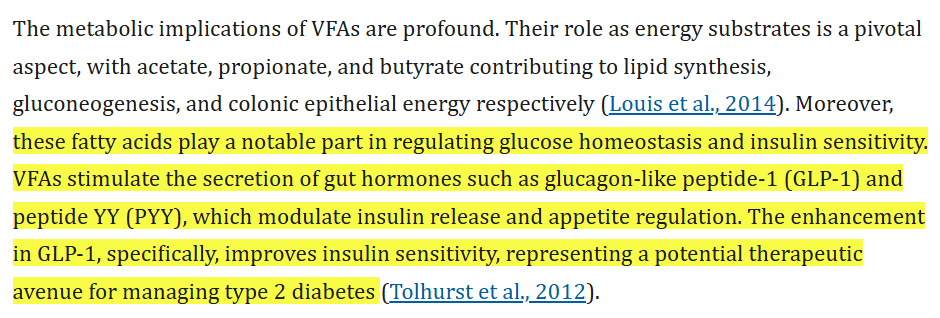
Source: Chen Z, Liang N, Zhang H, et al. Resistant starch and the gut microbiome: Exploring beneficial interactions and dietary impacts. Food Chem X. 2024 Jan 3;21:101118. doi: 10.1016/j.fochx.2024.101118. PMID: 38282825; PMCID: PMC10819196.
Glycemic Index (GI) of Bananas
The GI of bananas is low-to-moderate (42–62) depending on ripeness.
- Greener bananas = lower GI → slower glucose release.
- Riper bananas = higher GI → quicker energy release.
This makes bananas versatile: pre-workout, you may prefer a ripe one for quick fuel, while for blood sugar management, a less ripe banana may work better.
Should Diabetics Be Careful with Bananas?
A lot of my diabetic clients ask me, “Luke, can I eat bananas or should I avoid them completely?”
The truth is—you don’t need to fear bananas, but you do need to be mindful.
- Natural sugar & carbs: A medium banana has ~27 g of carbs, including natural sugars. For most people, the fiber and resistant starch help slow absorption. But if you are highly diabetic or have poor glycemic control, bananas can cause fluctuating blood glucose levels.
- Potassium caution: Bananas are rich in potassium (~422 mg per medium fruit). While this is great for blood pressure and heart health, individuals with chronic kidney disease, advanced diabetes, or those on potassium-sparing medications should be cautious. Too much potassium (hyperkalemia) can be dangerous.
- Portion & pairing: For most diabetics, portion control is key. Half a banana paired with nuts, seeds, or Greek yogurt can keep glucose levels more stable than eating a whole banana alone.
Pro tip: If you’re diabetic, don’t completely ban bananas—just be mindful of your portion, ripeness (less ripe bananas = lower sugar, higher resistant starch), and always pair with protein or healthy fats.
Image Credits: Freepik
Calcium in Banana – Setting Realistic Expectations
So, let’s talk calcium—because this is where bananas get a bit of extra buzz that they don’t always deserve.
A medium banana delivers only about 5–6 mg of calcium—that’s it. The recommended daily calcium intake for most adults is around 1,000 mg (rising to 1,300 mg during adolescence). A single banana delivers less than 1% of your daily calcium needs.
Why Bananas Aren’t the Go-To for Calcium
Bananas have many nutrients—potassium, fiber, vitamin B6—but calcium isn’t one of them. Counting on bananas to meet your calcium needs is like expecting a single sip of water to quench your thirst—you’ll come up short.
Smarter Calcium Sources to Include
When you need a real calcium boost, reach for these:
- Dairy (ethically-sourced and quality A2 milk, yogurt)—can provide 200–400 mg per serving
- Ragi (finger millet) and sesame seeds—traditional Indian calcium powerhouses.
- Leafy greens like kale, collard greens, and spinach—grab significantly higher calcium per 100 g
These are your real heroes when it comes to bone health and calcium support. Don’t skip bananas just because they don’t offer calcium. Instead, pair them with calcium-rich foods to create nutrient-rich, habit-forming combos.
Try these:
- A banana + yogurt bowl sprinkled with seeds — you’re getting potassium, fiber, probiotics, and real calcium.
- Ragi porridge with banana slices—a powerful fusion of complex carbs, calcium, and flavor.
Do Bananas Cause Fat Gain?
Now that we’ve broken down the nutrition of bananas, let’s answer the big question: Do bananas actually make you gain fat?
The short answer: No. Bananas themselves do not cause fat gain.
Here’s What Science Says:
- Calories matter, not one food: Fat gain happens when you’re in a calorie surplus – eating more calories than your body burns. One medium banana has about 105 calories and is packed with fiber, potassium, vitamin B6, and natural sugars that provide steady energy.
- Fruits and weight management: Multiple studies have shown that fruit consumption is associated with lower body weight, better satiety, and a reduced risk of obesity. Fruits like bananas improve satiety because of their fiber content, which slows digestion and keeps you full for longer.
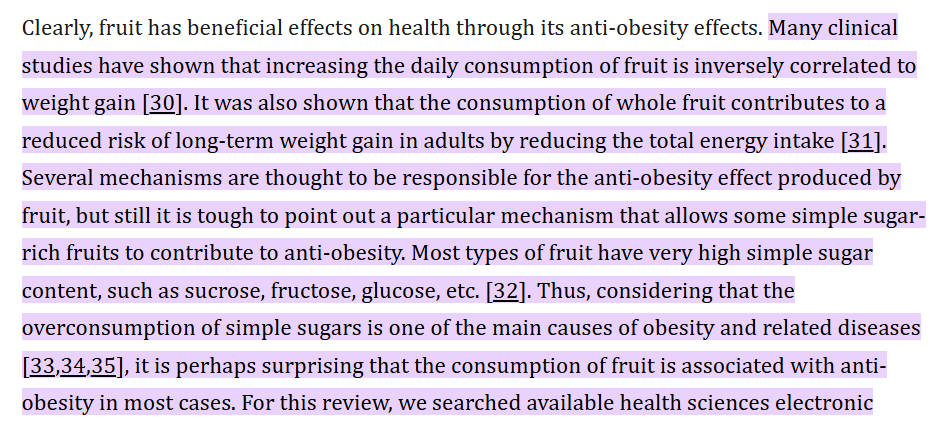
Source: Sharma SP, Chung HJ, Kim HJ, Hong ST. Paradoxical Effects of Fruit on Obesity. Nutrients. 2016 Oct 14;8(10):633. doi: 10.3390/nu8100633. PMID: 27754404; PMCID: PMC5084020.
- Nutrient density over empty calories: Bananas are far healthier than processed ‘diet foods’ that may be low in calories but high in additives, sodium, and preservatives. The body processes whole foods very differently from ultra-processed ones.
So, Can Bananas Make You Gain Weight?
Yes – but only if you’re overeating them on top of an already calorie-heavy diet. The same is true for any food – whether it’s almonds, avocados, or even healthy olive oil.
For example:
- Eating 2 bananas a day as part of a balanced diet is perfectly healthy.
- Eating 8 bananas daily without adjusting other calories could push you into surplus.
Don’t fear fruit. Fear imbalance. If you’re sedentary, overeating, and living poorly, even the healthiest food can work against you. But if you’re active and mindful, bananas are one of nature’s best snacks – clean, portable, and loaded with real nutrition.
How Many Bananas to Eat Per Day?
Let’s tackle the big question: How many bananas should you eat per day?
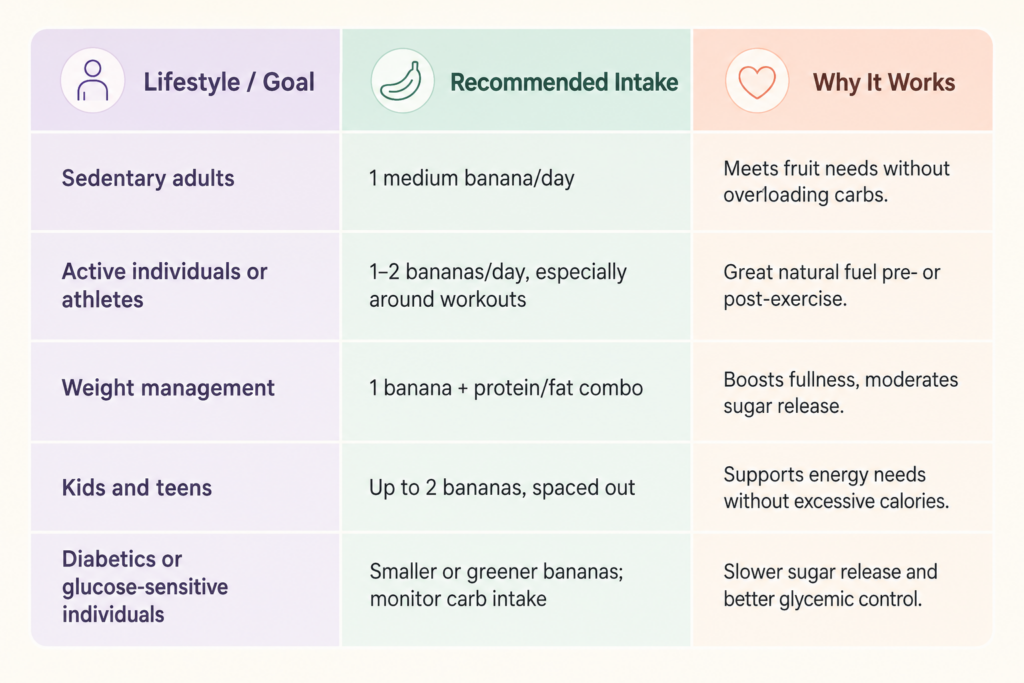
A moderate intake of bananas—about 1 to 2 per day—is acceptable for most healthy individuals.
Best Times & Pairings for Maximum Benefit
- Pre-workout: A ripe banana gives quick energy without heaviness.
- Mid-morning snack: A banana paired with protein or healthy fat sustains blood sugar and energy.
Smart Pairing Ideas:
- Banana + peanut or almond butter
- Banana + Greek yogurt + seeds
- Banana slices on multigrain toast with tahini
- Banana + chia seeds + cinnamon
And if you love experimenting, try some wholesome recipes from Team Luke:
- Raw Banana Curry – A savory way to enjoy green bananas packed with fiber and resistant starch.
- Oats Banana Muffin – A nutritious twist on comfort food, perfect for a healthy snack.
- Raw Banana Flour Pancakes – Light, gluten-free, and naturally rich in prebiotics.
- Chocolatey Quinoa & Raw Banana Brownie – A guilt-free treat that balances indulgence with nutrition.
Note: This guide is intended for generally healthy individuals. If you have kidney disease, advanced diabetes, or other medical conditions—particularly those affecting potassium metabolism or blood sugar control—consult a qualified healthcare provider before changing your fruit intake. Personal needs may vary greatly.
The Last Word
At the end of the day, bananas are not ‘good’ or ‘bad.’ They’re simply food—packed with natural energy, fiber, potassium, and so much more. The key is context.
My suggestion? Don’t overthink it. One banana a day works beautifully for most people. And if you love them, enjoy them in balance with the rest of your diet.
Remember, health is never about one fruit or food—it’s about the lifestyle you build around it.
Frequently Asked Questions
What is the nutrition in a banana like?
A medium banana is a powerhouse of nutrition. It contains fiber, potassium, Vitamins B6 and C, magnesium, and antioxidants. The nutrition in a banana makes it a great energy-boosting snack that also supports heart health, digestion, and muscle recovery—all in a naturally sweet, portable fruit.
Does a banana have 27000 calories?
No, that’s a myth. A medium banana has roughly 105 calories, not 27000 calories in a banana. The confusion often comes from exaggerated online claims. Bananas are nutrient-dense but relatively low in calories, making them a far healthier choice than processed snacks or desserts for quick energy.
How much calcium is in a banana?
People often ask about calcium in bananas. While bananas are not high in calcium (around 5–6 mg per medium fruit), they help the body absorb calcium better because of their prebiotic fiber. Pairing them with yogurt or seeds makes a more calcium-rich, bone-supporting snack.
How many bananas should you eat per day?
For most adults, one medium banana a day is perfect. Active individuals or athletes can have 1–2, especially before or after workouts. Kids may enjoy up to 2, spaced out. If you’re managing blood sugar, stick to smaller bananas and balance them with protein or healthy fats.
Can you gain weight by eating bananas?
Bananas alone won’t make you gain weight. They have about 105 calories each, with fiber and nutrients that keep you full. You gain weight only if you eat them in excess, along with other high-calorie foods. In fact, when eaten mindfully, bananas support digestion, muscle recovery, and energy.
Disclaimer: This blog is intended for informational and educational purposes only and is not a substitute for professional medical advice, diagnosis, or treatment. Always consult your physician or a qualified healthcare provider before making any changes to your lifestyle or medication, especially if you have an existing medical condition.
About the Author:

Team Luke | Luke Coutinho Holistic Healing Systems
For over 14 years, Luke Coutinho and Team Luke have worked with thousands of people across conditions, ages, and life stages. Team Luke is a collective of highly trained nutritionists, clinical dietitians, doctors, yoga and fitness experts, life coaches, and emotional counselors, all working under one philosophy and one standard of care.
At the heart of everything we do is Foundational Medicine, a science-backed framework built on six pillars: Food Science & Nutrient Synergy, Adequate Holistic Movement, Deep Sleep, Emotional Wellness & Mental Health, Nature (Your Internal & External Environment), and Spirit & Breathwork. Every piece of content published on this platform is rooted in that same belief: that the body thrives best when its foundations are strong. Our mission is simple and clear: to address root causes of illness and make wellness accessible, practical, and sustainable for all.
Connect with Team Luke:
Call: 1800 102 0253 | Email: [email protected]
Follow Luke:
Instagram: @luke_coutinho | Facebook: @LukeCoutinhoOfficial | X: @LukeCoutinho17 | YouTube: @LukeCoutinho | LinkedIn: Luke Coutinho