No products in the cart.
A lot of people have been asking me lately, “Is it even safe to eat eggs anymore?”
Many of us grew up listening to the jingle, “Sunday ho ya Monday, roz khao anday.” Whether it was Sunday or Monday, eggs were simple, affordable nutrition on our plates.
And suddenly, one controversy… and fear spreads faster than facts.
Well, to be honest, antibiotic-free whole eggs are still one of the most complete foods known to humans.
Why We’re Afraid of Eggs but Not the Air We Breathe
Let me ask you something honestly.
- When was the last time you checked the air quality index before stepping out for a walk?
- When did you last test the water coming into your home?
- When did you evaluate how chronic stress is affecting your immunity?
And yet, one viral headline about eggs, and fear spreads overnight.
This is not judgment. It’s awareness.
We are reacting to visible controversies while quietly adapting to invisible exposures.
That is selective fear.
The Science of Selective Risk Perception
Behavioural science has a term for this — risk amplification. When a threat is sudden, viral, and emotionally charged, our brain magnifies it. When exposure is gradual and chronic, we normalize it.
Research in risk psychology published in Risk Analysis explains that humans fear what feels unfamiliar, uncontrollable, and publicised, even if the statistical risk is lower than everyday exposures.

Image Credits: Freepik
Air pollution, for example, contributes to an estimated 6–7 million premature deaths annually according to the World Health Organization. Chronic exposure to fine particulate matter (PM2.5) is strongly associated with cardiovascular disease, respiratory illness, and neuroinflammation.
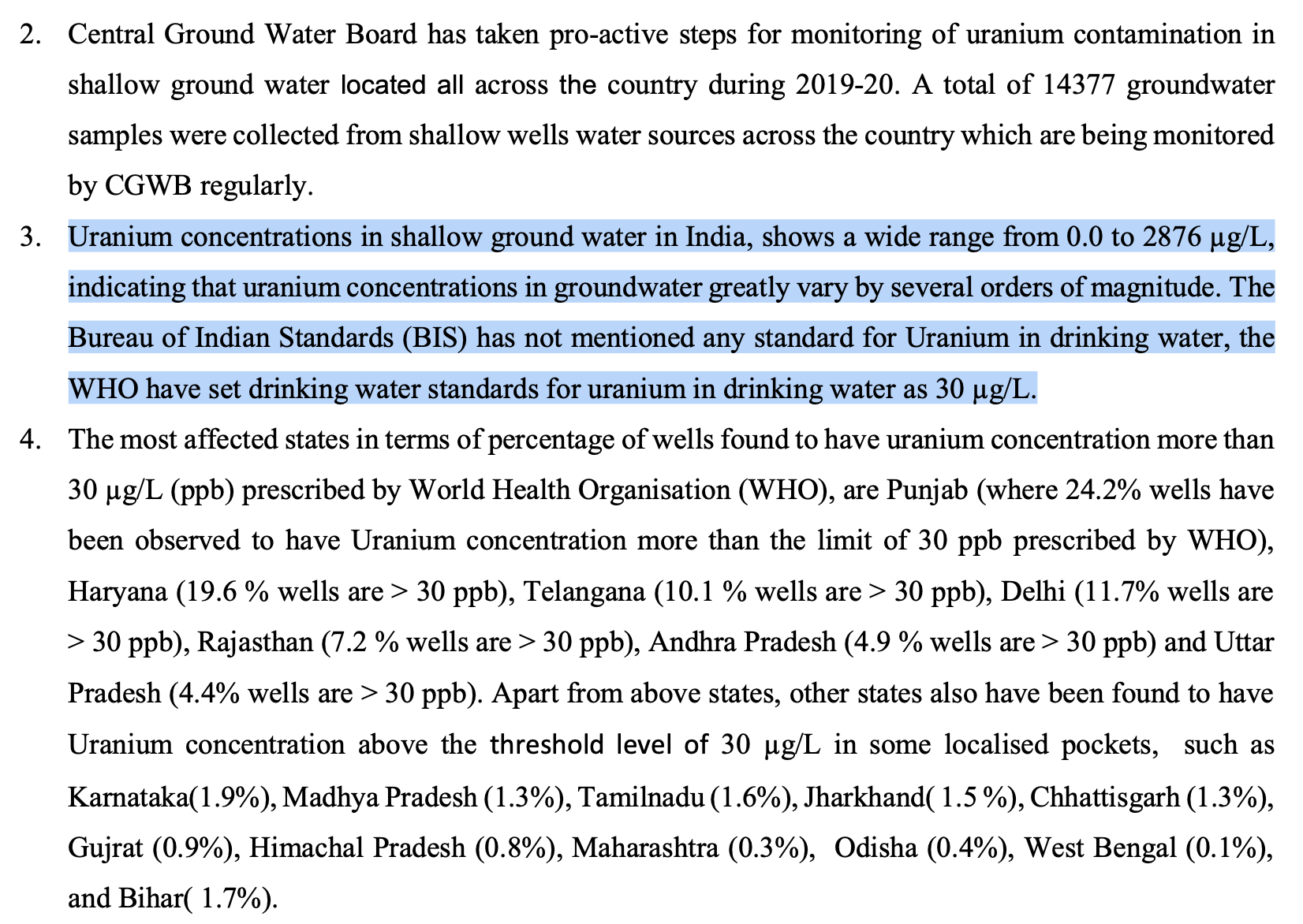
Source: Report by Government of India | Ministry of Jal Shakti | Department of Water Resources, River Development and Ganga Rejuvenation | Central Ground Water Board | Gov.In. Retrieved February 20, 2026, from https://cgwb.gov.in/old_website/WQ/URANIUM_REPORT_2019-20.pdf
Yet we adapt to polluted air because it’s gradual.
Water contamination with heavy metals, pesticide residues, or microbial pathogens is a well-documented public health concern in developing nations (WHO Guidelines for Drinking-water Quality, 2022). Again, it’s persistent, not viral, so it doesn’t trend.
And we don’t even talk about chronic psychological stress.
A landmark meta-analysis by Cohen et al. in JAMA (2007) demonstrated that prolonged stress increases susceptibility to infections by impairing immune function. Chronic stress dysregulates cortisol, promotes low-grade inflammation, and compromises host defence.

Source: Kaur J, Gandhi J, Sharma S. Physiology, Cortisol. [Updated 2025 Dec 1]. In: StatPearls [Internet]. Treasure Island (FL): StatPearls Publishing; 2025 Jan-. Available from: https://www.ncbi.nlm.nih.gov/books/NBK538239/
They don’t trend on social media.
But they shape long-term health outcomes.
What Actually Triggered the Egg Panic?
The recent controversy around eggs largely centred on concerns about antibiotic residues and permissible toxin levels.
Globally, food safety systems operate on the principle of Maximum Residue Limits (MRLs), thresholds determined through toxicological risk assessment. Regulatory bodies such as:
- The Food Safety and Standards Authority of India (FSSAI)
- The European Food Safety Authority (EFSA)
- The U.S. Food and Drug Administration (FDA)
establish limits based on Acceptable Daily Intake (ADI) calculations, derived from extensive animal and human safety data.
Zero residue is not the regulatory model.
Safe exposure below established thresholds is.
The debate is not about whether trace exposure exists. It is about:
- Whether antibiotics are being used responsibly.
- Whether withdrawal periods are respected.
- Whether surveillance and compliance are enforced.
That is a governance question, not a nutritional indictment of eggs.
Antibiotic Stewardship: The Real Public Health Concern
Antibiotic misuse in livestock is a legitimate concern globally. The World Health Organization has repeatedly highlighted antimicrobial resistance (AMR) as one of the top global health threats (WHO, 2023).
Scientific literature clearly distinguishes between:
- Therapeutic use under veterinary supervision.
- Non-therapeutic, growth-promoting use.
The latter contributes significantly to resistance development.
The question is not: “Are eggs dangerous?”
The question is: “Is antibiotic stewardship being practiced responsibly across the supply chain?”
That is a systems issue.

Image Credits: Freepik
Permissible Toxins vs Chronic Overload
Another important distinction.
Toxicology follows a foundational principle articulated by Paracelsus centuries ago and validated by modern science that the dose makes the poison.
Contemporary toxicology assesses cumulative exposure, metabolic pathways, and safety margins. Regulatory limits are set using large safety buffers, often 100-fold below levels shown to cause harm in animal models.
Health outcomes are not shaped by one food in isolation.
They are shaped by cumulative load:
- Air pollution
- Water contaminants
- Processed food intake
- Sedentary lifestyle
- Psychological stress
- Sleep deprivation
When the total toxic burden increases, resilience decreases. Blaming one food item without examining total lifestyle load creates distorted health priorities.
The Real Issue: Antibiotic Abuse Is a Systemic Shortcut
Antibiotics in poultry are not a nutrition flaw. They are a management shortcut.
There are two types:
- Therapeutic (used when the bird is sick, under prescription)
- Non-therapeutic/preventive (used to push growth or reduce disease risk in high-stress environments)
The real question is, why is the bird getting sick frequently?
Stress.
Exactly like humans.
A stressed bird produces:
- Lower immunity
- Higher disease susceptibility
- Greater antibiotic need
| In overcrowded systems: Stress → Low immunity → Infection → Antibiotics |
A stressed human experiences:
- Higher cortisol
- Chronic inflammation
- Gut imbalance
- Reduced recovery
| In humans: Stress → Inflammation → Disease → Medication |
When birds are confined, under artificial lighting, high production pressure, and limited movement, their immune systems weaken.
Healthy birds require fewer interventions. Just like healthy humans.
Image Credits: Freepik
The Hidden Cost of a ₹5 Egg
Let’s do basic math.
10–12 years ago, the cost was ₹3–₹4 per egg. Today, it has increased and is ₹5–₹6 per egg
But, what has changed?
- Feed prices have doubled
- Transport costs have risen
- Labour costs have increased
- Grain inflation is significant
So where did the extra cost go?
If the price doesn’t rise with inflation, something else gets cut.

Image Credits: Freepik
Usually, these are what gets cut:
- Feed quality
- Bird welfare
- Preventive care
- Testing
- Transparency
80% of egg production cost is feed.
When maize and grains rise drastically but egg price stays artificially low, farmers absorb the pressure.
And when margins become razor thin, corners get cut. Cheap eggs demand hidden compromises.
How Farmers, Consumers & Regulators Are Trapped in the Same Loop
India produces close to 40 crore eggs every single day, according to data from the National Egg Coordination Committee. That scale is extraordinary. It reflects how central eggs are to nutrition security, especially in a country working to address protein deficiency across socioeconomic strata.
But scale and quality assurance do not automatically evolve at the same speed.
The Economics Behind ‘Affordable Protein’
From a public health lens, affordable protein is critical. The Indian plate, particularly in lower-income groups, often lacks adequate high-quality protein. Eggs are among the most cost-effective complete protein sources available.

Image Credits: Freepik
But here is the tension:
- Feed costs fluctuate with global grain prices.
- Veterinary care and biosecurity require investment.
- Antibiotic stewardship demands better farm management systems.
- Cold chain logistics need infrastructure.
- Independent batch testing increases operational costs.
When the final retail price is aggressively suppressed, something absorbs that pressure.
Usually, it is the farmer.
Poultry farmers in developing economies operate with extremely tight profit margins. Small changes in feed cost or mortality rates can wipe out profitability.
If the consumer insists on the lowest price and the government prioritises affordability, producers are left balancing survival with compliance. That is the loop.
Regulation: Reactive vs Preventive
Food safety systems worldwide function on risk-based models. In India, oversight is governed by the Food Safety and Standards Authority of India (FSSAI), which sets standards for antibiotic residues, contaminants, and hygiene protocols.
But here is the reality of scaling enforcement:
- Routine batch-level testing across millions of units daily requires massive laboratory infrastructure.
- Random sampling models are used globally, not universal testing.
- Surveillance systems often intensify after public concern rises.
This is not unique to India. Even advanced economies operate on probabilistic testing frameworks rather than testing every single egg.
Regulation evolves with capacity.
But when a quality failure surfaces, the public narrative narrows down to a brand.
Rarely do we examine the system architecture behind it.
The Brand Becomes the Face of a Structural Problem
When quality collapses, consumers blame the label they see on the shelf. That reaction is understandable.
But systemic issues involve:
- Fragmented supply chains
- Varying farm standards
- Inconsistent traceability mechanisms
- Price compression at the retail end
- Limited farmer bargaining power
A brand may source from multiple farms. If upstream compliance varies, downstream accountability becomes complex.
This is not about absolving responsibility.
It is about recognising that food safety is an ecosystem responsibility.
The Price–Quality Paradox
World-class biosecurity, antibiotic discipline, third-party audits, cold-chain assurance, and transparent lab testing cost money.
There is no shortcut to quality.
International food systems that maintain high traceability standards invest heavily in:
- Farm-level digital monitoring
- Mandatory withdrawal period documentation
- Centralized testing laboratories
- Blockchain traceability pilots
- Veterinary oversight frameworks
These systems evolved over decades.

Image Credits: Freepik
We cannot demand world-class compliance at prices that barely cover input costs.
Economics does not bend to emotion.
If we want:
- Transparent antibiotic policies
- Routine residue testing
- Improved animal welfare
- Robust traceability
Then pricing must reflect the cost of doing things correctly.
Quality cannot be mass-produced overnight. It must be built.
Everyone Is Inside the Same Feedback Loop
Here is what the loop looks like:
- The government prioritises affordability to improve nutrition security.
- Retail markets push competitive pricing.
- Farmers compress margins to survive.
- Investments in compliance slow down.
- A quality scare emerges.
- Public outrage follows.
- Regulation tightens reactively.
- Costs rise further.
And the cycle repeats.

Image Credits: Freepik
What Sustainable Reform Actually Looks Like
If we want stronger egg safety and systemic reform, the pathway includes:
- Gradual price rationalisation aligned with compliance costs.
- Farmer education on antibiotic stewardship and biosecurity.
- Incentivized testing frameworks, not just punitive enforcement.
- Transparent disclosure from brands about sourcing standards.
- Consumer awareness about what quality truly costs.
Therefore, instead of asking, “Who is to blame?”
We should ask, “How do we redesign incentives so quality becomes economically viable?”
Affordable protein is non-negotiable in a developing nation.
Farmer survival is non-negotiable.
Food safety is non-negotiable.
The challenge is not choosing one over the other.
It is designing a system where all three can coexist without cutting corners.
That is the conversation we need to have.
Not just about eggs, but about the future of responsible food systems in India.
Brown Eggs, White Eggs, Fertile Eggs — What Actually Matters?
Consumers are distracted by shell colour. Let’s bust the myths:
Myth: Brown eggs are healthier.
Fact: Shell colour is determined purely by the hen’s breed, not by nutrient density. Breeds with red feathers and red earlobes typically lay brown eggs, while white-feathered breeds often lay white eggs. Multiple nutritional analyses show negligible differences in protein, fat, vitamins, and minerals between brown and white eggs when hens are raised under similar conditions. The real nutritional variation comes from the hen’s food habits and farming practices, not the shell pigment.

Image Credits: Freepik
Myth: Fertile eggs are more nutritious.
Fact: Fertility simply means the egg was laid by a hen that had contact with a rooster; it does not significantly alter macronutrient or micronutrient composition. Hens naturally ovulate and lay eggs irrespective of fertilization, which is a normal biological cycle. Scientific comparisons show that protein quality, fat content, and micronutrient levels remain essentially unchanged between fertile and infertile eggs. Nutritional value is influenced far more by feed quality and hen health than by fertilization status.
Myth: Dark yolk means organic.
Fact: Yolk color reflects the concentration of carotenoids in the hen’s feed, particularly pigments like lutein and zeaxanthin found in greens, maize, and marigold petals. A deeper orange yolk indicates higher carotenoid intake, not necessarily organic certification. Even conventionally raised hens can produce darker yolks if their feed is carotenoid-rich. Organic status is defined by farming standards and feed sourcing regulations, not by yolk shade alone.
If you still have doubts, read 12 myths that Luke debunks that will change the way you eat eggs.
What Actually Changes Nutrition?
- Bird stress levels
- Feed quality
- Access to sunlight
- Flock size
- Antibiotic usage
- Storage and freshness
Simple At-Home Egg Quality Checks
- Water Test
- Sinks flat → Very fresh
- Stands upright but sinks → Good
- Floats → Old (not necessarily rotten)
- Break Test
- Yolk stands tall
- Thick albumen closely holds yolk
- Minimal spreading
- Smell Test
- Rotten eggs smell instantly unpleasant

Image Credits: Freepik
Why ‘Antibiotic-Free’ Is Not a Marketing Claim But It’s a Responsibility
Transparency is the new nutrition.
Influencers can be paid.
The media can sensationalise.
But founders must be answerable. When I bring someone on the show, I ask:
- Do you consume your own product?
- Will you show batch testing?
- What goes into your feed?
- How often do you test?
- What happens if birds fall sick?
Consumers must ask:
- Are antibiotics used therapeutically or preventively?
- What is the flock size?
- What is the feed composition?
- Is the brand willing to share testing data?
- What is the withdrawal period after antibiotic use?
If a brand cannot answer basic questions, that’s your signal.
Don’t Cancel Eggs. Choose Them Better.
Eggs remain:
- Complete protein
- Rich in choline
- Source of B12
- Excellent bioavailable nutrients
- Affordable relative to most animal proteins
If you eat eggs:
- Choose whole eggs.
- Choose antibiotic-free whole eggs.
- Choose transparency over trends.
Higher cost is justified when:
- Welfare is better
- Feed quality is superior
- Smaller flocks are maintained
- Testing and traceability exist
After all, nutrition is about informed choices.
So when I said, “Eggs are one of the most powerful foods if you’re non-vegetarian as it is a complete protein,” that statement is supported by decades of nutritional science.
Final Takeaway
Do not react emotionally to headlines.
Be conscious.
If you’re vegetarian or vegan, you don’t need eggs. There are other protein sources.
If you eat eggs:
- Choose antibiotic-free whole eggs.
- Ask questions.
- Support honest farmers.
- Accept that quality may cost slightly more.
We are living in a country where:
- Air quality is questionable.
- Water systems are inconsistent.
- Food regulation is evolving.
The solution isn’t panic. It’s awareness.
But the future of food depends on what we demand; cheap shortcuts or honest systems.
Choose better.
Not perfect.
Keep your foundations strong.
And finally, be educated, not influenced.
If this resonated with you, then watch this video:
Disclaimer: This blog is intended for educational and informational purposes only. It does not replace professional medical advice, diagnosis, or treatment. If you have specific health conditions, food restrictions, allergies, or concerns, especially related to cholesterol, kidney health, or autoimmune issues, always consult a qualified healthcare professional before making changes to your food. We also advocate for ethically sourced, pasture-raised eggs whenever possible, in alignment with both health and sustainability values.
Sometimes, it’s not about adding more, it’s about choosing better. If you’re feeling stuck, confused, or unsure where to begin, know that you’re not alone.
Our Wellness Programs are here to support you gently and mindfully, offering personalized guidance, lifestyle tools, and practical solutions that align with your unique journey.
Feel free to reach out at 18001020253 or write to us at [email protected]; we’re here to walk this path with you.