No products in the cart.
Many people live with recurring bloating, sinus congestion, skin rashes, itchy eyes, or persistent fatigue, yet they have no idea what is actually driving these reactions. We see this all the time.
Someone cuts out dairy, blames gluten, avoids fruits, or rearranges their entire meal plan, only to realise later that the real trigger wasn’t the food itself. Something different was influencing how their immune system reacted.
But what is that ‘something’?
Why can one person enjoy a bowl of curd without any issues while another breaks out in hives?
Why do some individuals sneeze endlessly during a weather shift while others remain unaffected?
Is this simply genetics, or is there a more intricate mechanism?
What Your Immune System Is Really Trying to Tell You
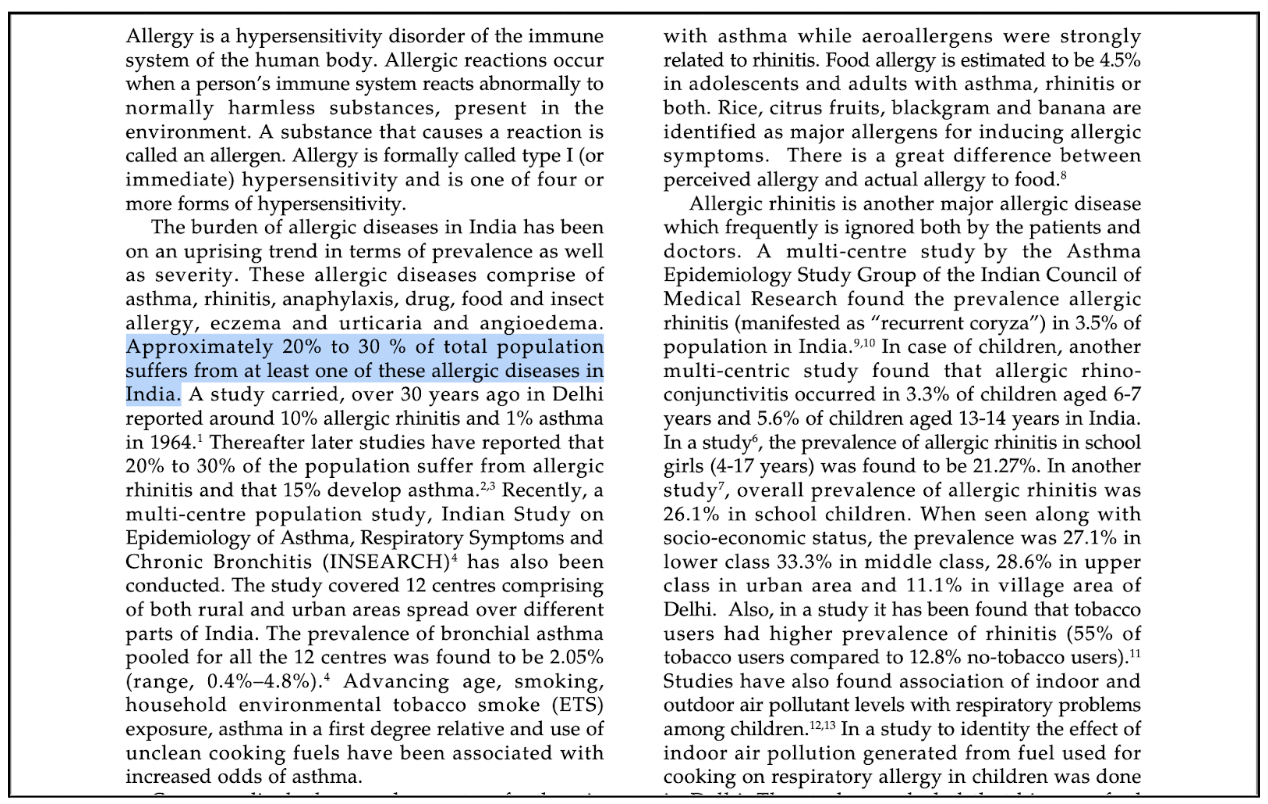
Allergies are no longer a seasonal inconvenience or a childhood problem that people ‘outgrow.’ They have quietly become one of the most widespread health concerns across India. Data from the The Indian Journal of Chest Diseases and Allied Sciences suggest that 20–30 percent of Indians now suffer from at least one allergic condition. That number is rising every year, not because our bodies are weaker, but because our lifestyles, environments, and immune systems have changed dramatically.
Source: Prasad R, Kumar R. Allergy situation in India: what is being done? Indian J Chest Dis Allied Sci. 2013 Jan-Mar;55(1):7-8. PMID: 23798082.
Let’s understand immunoglobulin, the basics on why the body is becoming hypersensitive.
What Is an Immunoglobulin?
Our body produces immunoglobulins, a Y-shaped protein made by your immune system to recognise and respond to what it believes is a threat. They are designed to remember patterns like bacteria, viruses, toxins, and alert the body when something harmful enters.
We have five major immunoglobulins:
- IgG
- IgA
- IgM
- IgD
- IgE
Each plays a different role in immunity. Among them IgE (immunoglobulin E), a key player in allergic responses. It specialises in responding to parasites and allergens.
The Story of IgE
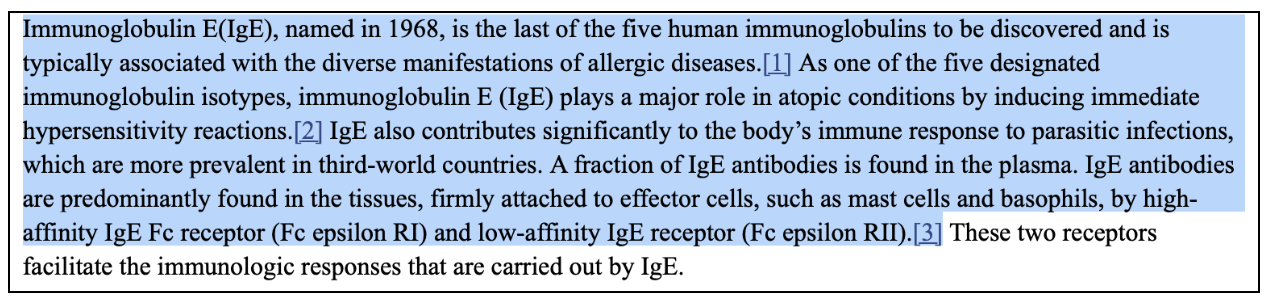
IgE is actually one of the newest antibodies to be discovered. It wasn’t identified until 1966–1967, when researchers Kimishige and Teruko Ishizaka conducted groundbreaking work that changed allergy science forever. Their studies, later published in the Journal of Immunology and The Journal of Allergy and Clinical Immunology, revealed that a completely different antibody, one not previously recognised, was responsible for allergic reactions.
Source: Hostoffer RW, Joseph NI. Immunoglobulin E. [Updated 2023 Aug 28]. In: StatPearls [Internet]. Treasure Island (FL): StatPearls Publishing; 2025 Jan-. Available from: https://www.ncbi.nlm.nih.gov/books/NBK482212/
So, What Exactly Does IgE Do?
IgE (Immunoglobulin E) is designed to protect us from parasites; things like worms and insect toxins. In regions where parasitic infections are common, higher IgE levels are normal and protective. But in modern urban environments where parasite exposure is low, IgE sometimes gets confused.
This is where allergies begin.
Imagine your immune system has a security guard at the door. Its job is to keep threats out. But now imagine this guard starts mistaking your friendly neighbour for a thief, every single time he walks by. That’s what elevated IgE does. It triggers false alarms for substances that are not harmful, exhausting your system and disrupting your quality of life.

Normal level of serum IgE in adults | Source: Laurent J, Noirot C, Ansquer JC, Laurent G, Kestenbaum S, Lagrue G. Comment définir le taux normal des IgE sériques chez l’adulte? [How to define the normal level of serum IgE in adults?]. Ann Med Interne (Paris). 1985;136(5):419-22. French. PMID: 4062142.
How IgE Misfires and Causes Allergies
In some people, IgE mistakenly labels harmless substances, like dust, pollen, milk protein, shellfish, or peanuts, as dangerous. When the immune system thinks something harmless is a threat, it sends out an alarm.
This alarm triggers mast cells to release histamine (a chemical your immune system releases), leading to:
- Itching
- Sneezing
- Runny nose
- Hives
- Wheezing
- Gut discomfort
Why Does This Matter?
Understanding IgE helps you recognise:
- Why certain foods to avoid for high IgE levels matter
- Why probiotic and prebiotic foods help calm immune hyper-reactivity by strengthening the gut–immune axis
- Why do many people confuse symptoms and never learn the difference between food intolerance and food allergy?
IgE Allergies, Food Sensitivities, or Lifestyle Stress?
One of the biggest sources of confusion today is this; people are experiencing symptoms, but they don’t know what they mean.
Is it an allergy?
Is it intolerance?
Is it inflammation?
Or is it simply the body asking for better sleep, sunlight, or gut balance?
Someone says, “I can’t tolerate dairy,” “wheat makes my skin break out,” or “I’m allergic to the weather.”
But when we track their patterns, the real trigger is often far more complex, and not always related to food at all. This is why differentiating between IgE allergies, non-IgE sensitivities, and lifestyle-induced immune reactivity becomes essential.
1. IgE-Mediated Allergies: The Body’s Instant Alarm System
When we talk about IgE for allergy, this is the reaction we’re referring to. IgE antibodies latch onto harmless substances, like dust mites, shellfish proteins, pollen, peanuts, as if they are dangerous invaders. This sets off a rapid histamine surge.
What makes IgE allergies unique?
They are immediate, intense, and unpredictable.
Typical features include:
- Sudden hives or welts
- Throat tightness
- Wheezing or noisy breathing
- Instant digestive distress
- Swelling around the lips or eyes
- Anaphylaxis, in rare cases
2. Non-IgE Sensitivities & Intolerances: The Slow Burn of Inflammation
Now comes the trickiest part, the difference between food intolerance and food allergy. These often look similar on the surface, but they come from completely different mechanisms.
Non-IgE reactions do not involve IgE. They involve the gut, enzymes, microbiome imbalance, or immune pathways unrelated to histamine.
Symptoms are slower, subtler, and often delayed by hours or even a full day:
- Bloating
- Gas or constipation
- Headaches or migraines
- Acne or eczema worsening
- Joint aches
- Low energy
People often mislabel these reactions as ‘allergies,’ which leads to fear-based elimination of foods and unnecessary restriction. The solution is not to cut more foods but to investigate the gut, enzymes, and the body’s inflammatory load.
3. Lifestyle-Triggered Immune Reactivity: The Silent Immunity Disruptor
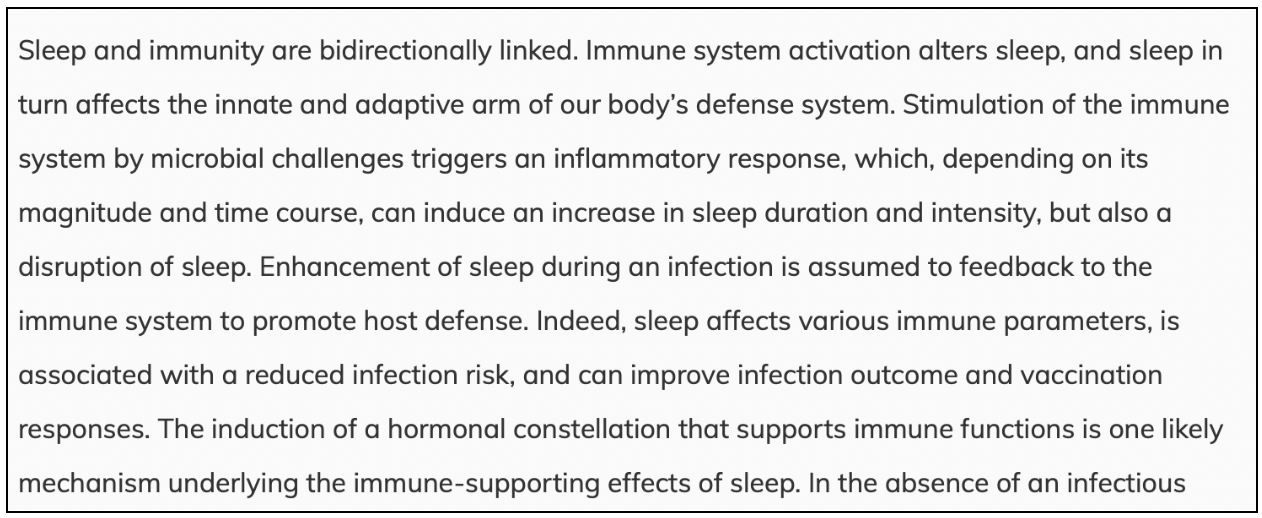
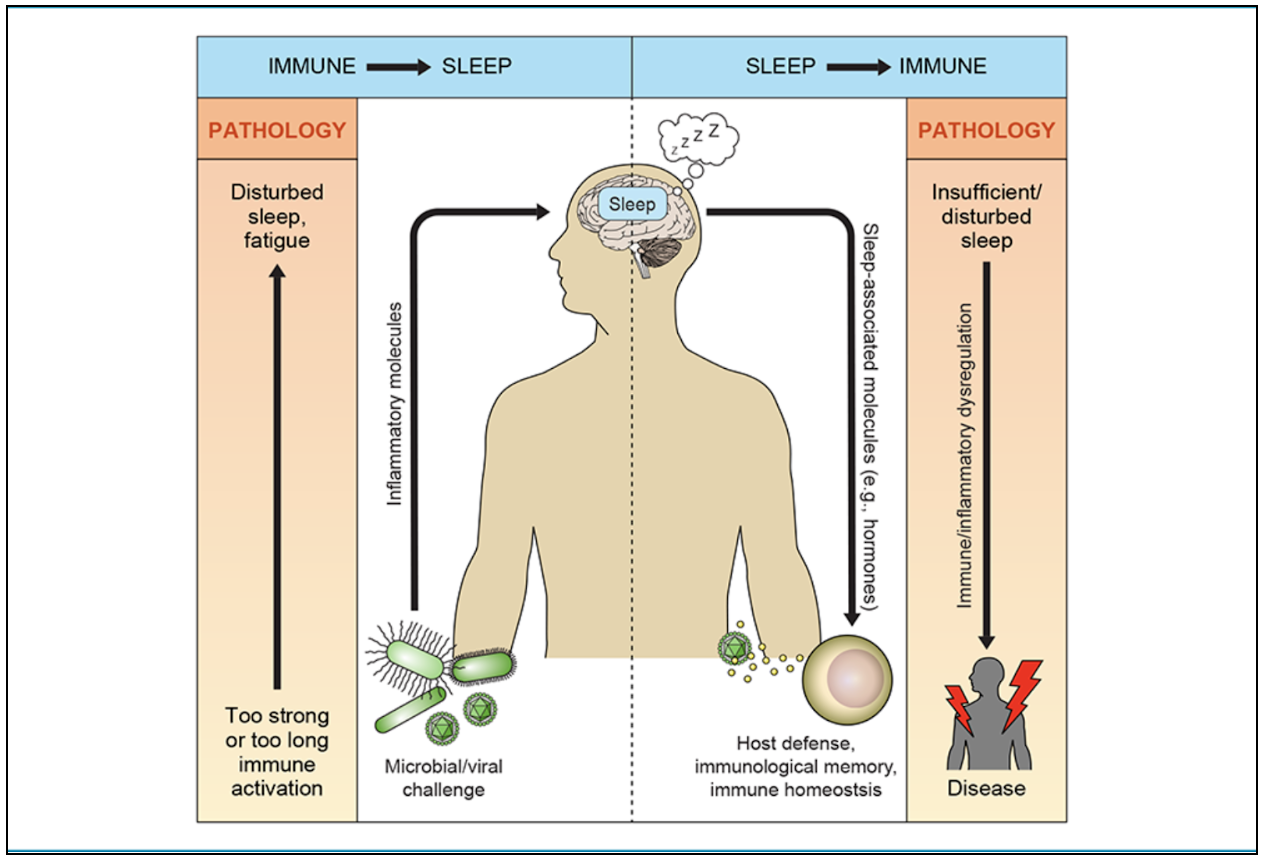
Stress, sleep deprivation, gut dysbiosis, chronic inflammation, and low Vitamin D levels can make the immune system hypersensitive, mimicking an allergy even when no true IgE reaction exists.
Source: Besedovsky, L., Lange, T., & Haack, M. (2019). The sleep-immune crosstalk in health and disease. Physiological Reviews, 99(3), 1325–1380. https://doi.org/10.1152/physrev.00010.2018
When stress stays high, cortisol stays high. And when cortisol stays high, the immune system slips into a dysregulated state, hypervigilant, jumpy, and reactive. This is the state where IgE can behave like an oversensitive alarm system. Instead of responding only to true threats, it begins firing at harmless foods, dust, weather changes, or even the glass of milk you tolerated perfectly fine last year.
High Stress → Elevated Cortisol → Mast Cell Sensitisation → Increased IgE Reactivity
This is why people with high stress often show higher IgE activity, even if their normal level of IgE falls within range. The immune system becomes jumpy, reactive, and easily irritated.
Chronic stress keeps the nervous system in sympathetic dominance—fight or flight.
In this state:
- Digestion slows
- Microbiome diversity drops
- Gut permeability increases
- Inflammatory cytokines rise
- IgE responses become exaggerated
Source: Besedovsky, L., Lange, T., & Haack, M. (2019). The sleep-immune crosstalk in health and disease. Physiological Reviews, 99(3), 1325–1380. https://doi.org/10.1152/physrev.00010.2018
The Hidden Everyday Triggers Quietly Raising Your IgE: Why Awareness Matters
Environmental factors, indoor pollutants, microbiome disruption, and lifestyle habits can nudge the immune system into a hyper-reactive state. Once this happens, IgE for allergy becomes more sensitive, more easily activated, and more reactive to harmless triggers.
Chronic exposure to indoor irritants can elevate IgE activity even when no classical allergen is present.
Let’s break down some of the most overlooked contributors:
1. Indoor Mold:
Most homes carry at least some mold spores, especially in humid regions. Mold fragments contain potent proteins capable of stimulating IgE, leading to:
- Sinus congestion
- Persistent cough
- Fatigue
- Recurrent infections
Mold exposure increases both total IgE and specific IgE responses, particularly in individuals with pre-existing sensitivities. Mold doesn’t just irritate the lungs, it alters the immune pathways that influence reactions to food and the environment.
2. Unclean AC Filters:
This is one of the most underestimated triggers. Air conditioners collect dust mites, fungal spores, and microbial fragments. When filters are not cleaned regularly, they circulate these particles throughout the room.
Dirty AC filters significantly elevate airborne allergen load. Over time, this leads to heightened IgE activity and an increased likelihood of respiratory reactions, especially in individuals already struggling with inflammation.
This is also where your normal level of IgE may climb without any food trigger, leading to confusion and unnecessary food elimination.
3. Pigeon Droppings Around Balconies and AC Units
This may surprise many, but pigeon droppings contain strong allergenic proteins. When these particles dry and become airborne, they can be inhaled easily. Pigeon antigens can trigger:
- Heightened IgE activity
- Chronic rhinitis
- Recurrent bronchitis
- Hypersensitivity pneumonitis in severe cases
Many people clean their homes meticulously but overlook the balcony, outdoor condenser units, or ledges where pigeons nest. This unintentional exposure keeps the immune system ‘on alert,’ making it more reactive to even minor food triggers.
4. Incense Sticks & Synthetic Fragrances:
burning incense releases volatile organic compounds (VOCs) that irritate the respiratory lining.
These irritants can:
- Worsen sinus congestion
- Increase airway inflammation
- Amplify IgE responses
Fragrances in room fresheners, scented candles, perfumes, and cleaning agents can act as chemical irritants. They may not cause IgE allergies, but they weaken the respiratory barrier, making true allergens more potent. This is particularly important for those with borderline IgE values or rising inflammatory markers.
5. Over-Sanitized Homes:
The ‘hygiene hypothesis suggests that overly sterile environments reduce microbial exposure needed for immune training. Without this microbial diversity, IgE pathways become more sensitive and more likely to misfire.
This is linked to rising childhood allergies, eczema, and respiratory illnesses, simply because their immune systems were never given the chance to mature naturally.
Balanced cleanliness is protective. Over-sanitizing is not.
6. Antibiotic Overuse:
Every antibiotic course alters the gut microbiome, sometimes for months. Microbiome disruption is directly linked to higher allergic tendencies and elevated IgE activity.
The gut regulates immune tolerance. When gut diversity drops, immune reactivity rises.

Image Credits: Freepik
7. Poor Gut Health:
The gut houses nearly 70% of the immune system. When microbial imbalance (dysbiosis) occurs, the immune system becomes reactive, misidentifying harmless substances as threats.
Multiple studies confirm that gut dysbiosis is directly linked to elevated IgE, food sensitivities, and chronic inflammatory symptoms.
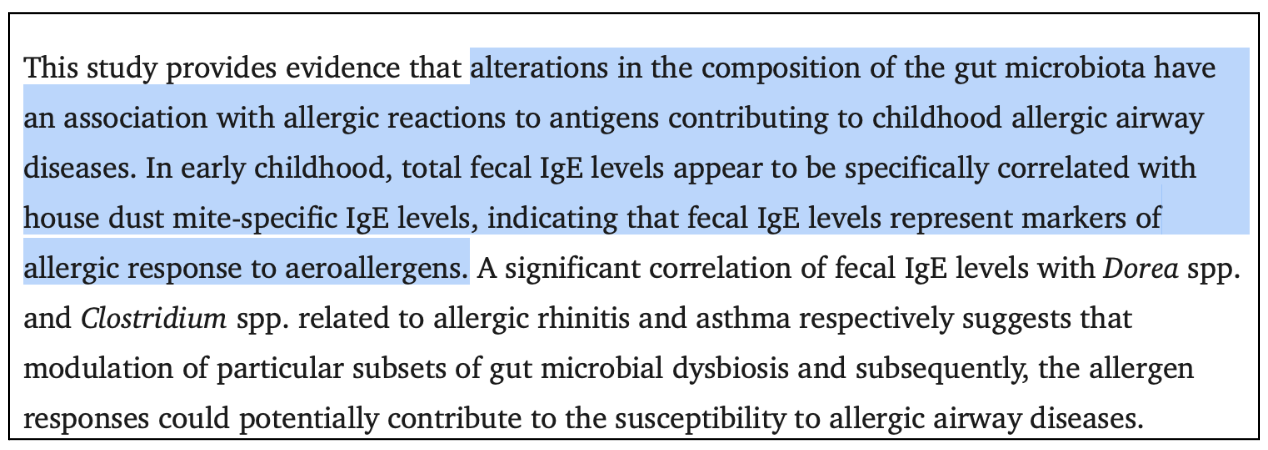
Source: Chiu, C. Y., Chan, Y. L., Tsai, M. H., Wang, C. J., Chiang, M. H., & Chiu, C. C. (2019). Gut microbial dysbiosis is associated with allergen-specific IgE responses in young children with airway allergies. The World Allergy Organization journal, 12(3), 100021. https://doi.org/10.1016/j.waojou.2019.100021
A compromised gut can:
- Weaken the intestinal lining, allowing food antigens to pass through too quickly
- Overstimulate mast cells (the immune cells that release histamine and trigger allergic symptoms), leading to excessive histamine release
- Trigger inflammation that heightens IgE sensitivity
- Reduce immune tolerance, making harmless foods feel threatening
This explains why it is needed to understand the difference between food intolerance and food allergy. Many ‘intolerances’ arise from gut imbalance, not IgE dysfunction.
Looking to strengthen your immunity and manage allergies naturally?
👉 Explore our Wellness Program for personalised holistic guidance.
Probiotic and Prebiotic Foods: Your Daily Tools for IgE Stability
Food is one of the most powerful ways to support gut immunity. When chosen wisely, probiotic and prebiotic foods strengthen the gut lining, reduce unnecessary immune activation, and promote balanced IgE signalling.
Here’s how they work:
- Probiotics introduce beneficial bacteria that reduce inflammation and improve barrier integrity.
- Prebiotics feed these good bacteria, helping them thrive, multiply, and maintain immune tolerance.
For example, probiotic foods include:
- Homemade Curd – Rich in Lactobacillus strains that calm intestinal inflammation.
- Fermented Rice or Kanji – Improves digestion and increases microbial diversity.
- Kimchi – Contains beneficial lactic acid bacteria shown in studies to reduce IgE-related inflammatory markers.
- Sauerkraut – Supports gut lining repair and reduces oxidative stress.
- Kombucha (low sugar) – Helps regulate digestive acidity and encourages good microbial growth.
Prebiotic Foods (Fuel for Good Bacteria)
- Garlic – A rich source of inulin that boosts gut flora.
- Onions – Contain fructooligosaccharides supporting beneficial microbes.
- Slightly Green Bananas – Excellent for resistant starch that reduces inflammation.
- Slit Moong – Easy to digest, supports gut integrity.
- Hand-pounded Rice – Provides gentle fibre that nourishes the microbiome.
- Oats – Beta-glucans support immune modulation.
- Sweet Potatoes – Rich in soluble fibre that enhances microbial diversity.
These foods help restore immune tolerance by feeding the bacteria that keep inflammatory responses in check.
Nutrients That Help Keep IgE in Check
Certain nutrients can gently support how the immune system behaves. These aren’t magic bullets, nor are they meant to fix anything, because the body isn’t a machine that needs fixing. Instead, these nutrients help your inner environment find balance, especially if your IgE levels fluctuate above the normal level of IgE.
Let’s see how specific nutrients are important players in the IgE pathway:
Vitamin D: A Key Modulator in Allergy Pathways
If there’s one nutrient that repeatedly shows up in allergy research, it’s Vitamin D. There is a strong association between low Vitamin D levels and exaggerated IgE responses.
Vitamin D appears to influence how mast cells behave, especially their readiness to release histamine. Insufficient levels can make these cells more reactive, contributing to the severity of symptoms in those with high IgE markers.
Omega-3 Fatty Acids: Supporting Immune Balance
Inflammation is a natural process, but when it stays ‘on’ for too long, it can nudge the immune system toward hypersensitivity. This is where omega-3 fatty acids, especially EPA (Eicosapentaenoic Acid) and DHA (Docosahexaenoic Acid), can help.
Omega-3s can help reduce pro-inflammatory cytokines (signaling proteins that control inflammation) while supporting pathways that keep immune reactions more level-headed. Many patients with sinus congestion, asthma, or skin-related IgE symptoms often report feeling more balanced when their omega-3 intake improves, paired with lifestyle changes, of course.
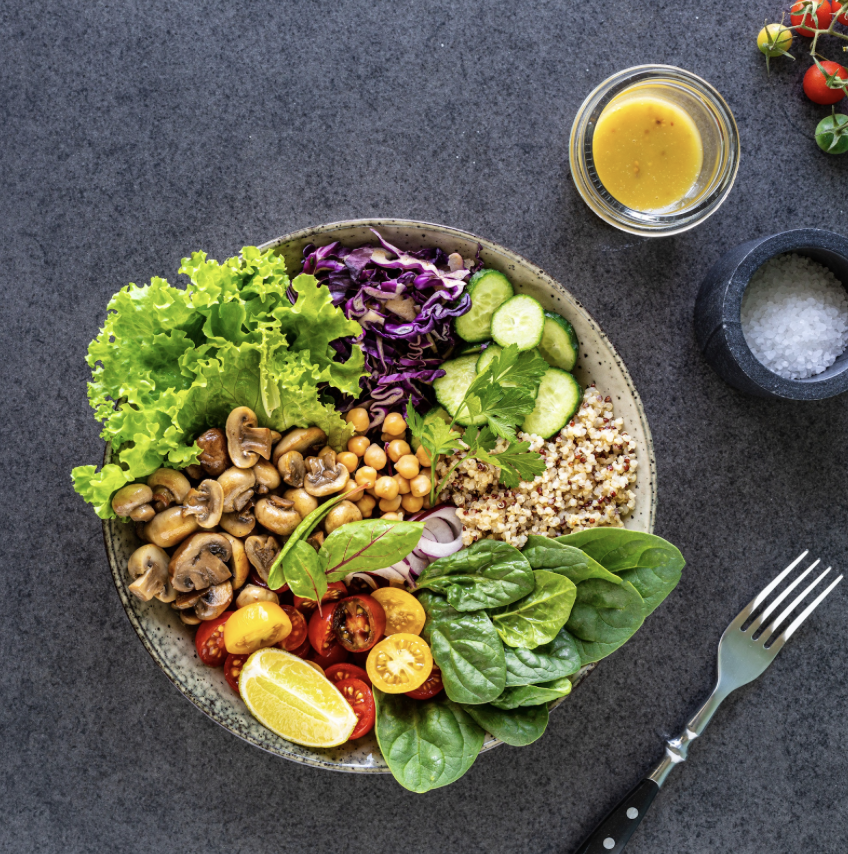
Image Credits: Freepik
Quercetin: Nature’s Gentle Mast Cell Stabiliser
Quercetin is a plant compound found in everyday foods like onions, apples, amla, and capers.
Mast cells are the ones that release histamine during IgE-mediated reactions. When these cells are calmer, the body naturally experiences fewer unnecessary alarms. While quercetin is not a solution by itself, it is a supportive player that aligns well with a holistic lifestyle approach.
Foods That May Worsen High IgE Levels
Below are the foods that may raise your IgE levels:
- Ultra-Processed Packaged Snacks: Highly processed foods are often loaded with emulsifiers, preservatives, flavour enhancers, and refined carbohydrates. These additives can disrupt the gut microbiome, promote low-grade inflammation, and impair epithelial barriers. For individuals whose IgE levels are already elevated, this can push the system further into hypersensitivity.
- Seed Oils High in Omega-6 Fatty Acids: While omega-6 fats are not ‘bad,’ excessive intake, especially from refined seed oils, can tilt the body’s inflammatory balance. Omega-6/omega-3 imbalance acts as a contributor to heightened immune reactivity. When this ratio widens, inflammatory pathways like arachidonic acid metabolism become more active, potentially intensifying IgE-related symptoms.
- Excess Sugar: Consuming too much sugar can increase insulin spikes, feed pathogenic gut bacteria, and drive systemic inflammation. Dysbiosis (an imbalanced microbiome) can worsen IgE-mediated responses. High sugar intake also affects mast cell stability, another reason sensitive individuals may feel more reactive.
- Artificial Colours and Flavours: Certain artificial additives have been linked to behaviour changes in children, gut irritation, and immune activation in sensitive individuals. While they don’t directly raise IgE, they can aggravate inflammation or gut permeability, both of which can indirectly amplify IgE responses.
- Dairy and Gluten (Only If Your Body Shows a Pattern): This is important. Dairy and gluten are not universal triggers. Many people tolerate them perfectly well. But in some, especially those with gut dysbiosis, low digestive enzyme levels, or intestinal permeability, these foods can create exaggerated immune responses. The key is individual sensitivity.
This ties directly into understanding the difference between food intolerance and food allergy.
An IgE allergy is fast, intense, and measurable.
- A food intolerance is slower, more digestive, and does not involve IgE.
- Removing dairy or gluten ‘just because Google says so’ isn’t wise. Remove them only if your body clearly shows a pattern.
6. Reheated or Refined Oils: Reheating oils increases oxidative by-products and trans-fats that can inflame the gut and immune system. If your IgE levels tend to flare, these compounds may irritate mast cells and epithelial tissues that are already sensitive.
7. Deep-Fried Foods: High temperatures create advanced glycation end products (AGEs) and oxidised lipids. These compounds can promote inflammatory cascades.
8. Foods That Create Personal Intolerance Cycles: Every person has a unique internal environment. Some react to bananas, some to brinjal, some to wheat, and some to nothing at all. Intolerance cycles often reflect microbiome imbalance, stress chemistry, meal timing, or enzyme insufficiency, not the food itself.
Simple Food Swaps That Calm Your Immune System
When your immune system is firing too quickly, especially if your IgE for allergy levels tends to fluctuate, small, sustainable food swaps can make a big difference.
You can swap:
1. Packet Chips → Roasted Chana or Makhana
Packet chips bring in refined oils, additives, and excessive salt, compounds known to disturb the gut microbiome and increase inflammatory load. Roasted chana or makhana, on the other hand, offer fibre, minerals, and slow-release carbohydrates that support gut stability. A healthier gut often reflects more stable normal levels of IgE.
2. White Bread → Multigrain Sourdough
White bread spikes glucose quickly and offers little fibre, while sourdough undergoes fermentation, a process to improve digestibility, reduce glycaemic load, and support beneficial gut bacteria.
3. Flavoured Yogurt → Homemade Curd
Flavoured yogurts often contain added sugars and stabilisers. Homemade curd provides naturally occurring probiotics that help reinforce microbial balance. Consistent intake of probiotic and prebiotic foods is one of the most reliable ways to reduce unnecessary immune flares or digestive discomfort that people sometimes mistake as allergies.
4. Fried Snacks → Baked Sweet Potato Wedges
Baked sweet potatoes provide complex carbs, antioxidants, and prebiotic fibre. They soothe digestion, offering a stable foundation for balanced IgE signalling.
5. Refined Vegetable Oils → Cold-Pressed Coconut or Mustard Oil
Refined oils undergo high-heat processing, which can strip nutrients and create inflammatory by-products. Cold-pressed oils retain antioxidants and natural fatty acids that support cellular health and a calmer immune response.
6. Instant Noodles → Hand-Pounded Rice Poha
Instant noodles are designed for convenience, but their additives, refined flour, and sodium load can aggravate inflammation. Hand-pounded rice poha brings in light, easily digestible energy, with B-vitamins.
7. Packaged Juices → Fresh Lime Water or Herbal Teas
Packaged juices, even those labelled ‘healthy,’ often contain concentrated sugars that spike insulin and feed dysbiotic gut bacteria.
Fresh lime water, warm jeera water, tulsi tea, or ginger infusions hydrate without overloading the system, while also supporting metabolic and immune balance.

Image Credits: Freepik
How Lifestyle Supports a Calmer, Balanced Immune System
Supporting your immune system doesn’t need complicated routines. Simple, consistent habits can gently guide your body toward balance and reduce unnecessary reactions. Here’s what you can start doing right away:
1. Prioritise Deep, Restorative Sleep
- Set a fixed sleep and wake time.
- Keep your room dark and cool.
- Disconnect from screens at least 45 minutes before bedtime.
- Add a gentle wind-down ritual, like reading, breathwork, or a warm shower.
2. Move Your Body Every Day
- Aim for 30–40 minutes of any activity you enjoy: walking, yoga, strength training, or cycling.
- Add short stretch breaks every 60–90 minutes if you sit for long hours.
- Include a few minutes of mobility work to ease stiffness and reduce internal stress on the system.
3. Practice Slow, Intentional Breathing
- Start your day with 3–5 minutes of deep belly breathing.
- Use simple practices like box breathing or 4-7-8 before meals or during stress spikes.
- End your day with gentle exhalation-focused breathing to shift into calmness.
4. Build a Daily Mind–Body Ritual
- Meditate or sit in silence for 5–10 minutes.
- Journal your thoughts or gratitudes.
- Step outdoors for a short nature pause, like getting fresh air to help create balance.
5. Eat in a Calm, Slow, Grounded Way
- Chew thoroughly and avoid rushing through meals.
- Keep meals simple and fresh.
- Add fibre, vegetables, and whole foods that support digestion and gut comfort.
- Stay hydrated through the day with water or herbal teas.
6. Get Sunlight Every Morning
- Step out for 10–15 minutes of early morning sunlight.
- Let natural light hit your eyes and skin; no sunglasses, if possible.
- Combine sunlight with a short walk for added grounding.

Image Credits: Freepik
7. Create Small Daily Rhythms
- Eat at regular times.
- Keep consistent wake–sleep cycles.
- Add micro-breaks throughout the day to unclutter the mind and relax the body.
- Maintain a gentle evening routine that signals ‘slow down’ to your system.
When You Should Visit a Doctor
While tracking symptoms and adjusting your lifestyle can give you clarity, there are moments when professional help becomes essential. Please do not ignore the following signs:
1. Symptoms Get Worse or Keep Returning
If your symptoms don’t improve even after making changes, or they keep coming back, it’s time to get medical guidance. This helps rule out deeper issues like infections, autoimmune conditions, gut disorders, or nutrient deficiencies.
2. You Experience Sudden or Severe Reactions
Seek medical attention immediately if you feel:
- Swelling of the lips, eyes, or face
- Difficulty breathing or chest tightness
- Severe dizziness
- A sudden drop in blood pressure
- Rapid-onset hives
These may indicate a true allergy that needs urgent evaluation.
3. Your Daily Life Gets Affected
If the symptoms start interfering with:
- Your work
- Sleep
- Appetite
- Energy
- Emotional wellbeing
4. Unexplained Weight Loss or Persistent Fatigue
They often indicate metabolic, hormonal, or immune-related issues that need proper testing.
5. Digestive Symptoms Last Beyond 2–3 Weeks
Ongoing bloating, pain, altered bowel movements, or nausea should be assessed to rule out gut infections, intolerances, IBS (Irritable Bowel Syndrome), SIBO (Small Intestinal Bacterial Overgrowth), or inflammation.
6. Skin Symptoms Spread or Do Not Settle
Persistent rashes, eczema flare-ups, or skin reactions that don’t settle with basic care may need medical evaluation.
A Gentle Closing for Your Journey Ahead
Before you eliminate foods, panic over symptoms, or assume your normal level of IgE is abnormal, pause and reflect, ask yourself:
- Am I sleeping enough?
- Have I been stressed lately?
- Am I eating too many processed foods?
- Is my gut health compromised?
- Are there environmental triggers around me?
Small awareness-led changes can make a world of difference. A little more sleep. A calmer breath. Cleaner food choices. A kinder relationship with stress. Over time, these shifts shape a more balanced immune response, one that doesn’t overreact to everything that comes its way.
Of course, never ignore severe or sudden symptoms. And always keep your doctor or healthcare provider in the loop. Allergies can be complex, and having the right medical guidance ensures you’re safe, informed, and supported.
Be educated and not influenced.
If this resonated with you, then watch:
View this post on Instagram
Disclaimer: This blog is for educational and awareness purposes only. It is NOT a substitute for medical advice, diagnosis, or treatment. Every individual is unique, and allergy responses can vary widely. Always consult your qualified healthcare professional before making changes to your food habits, medications, supplements, or lifestyle, especially if you have a history of severe reactions or chronic medical conditions.
If you’re dealing with persistent allergies, unexplained reactions, or simply feel your body needs deeper balance, our Wellness Programs can guide you with personalized nutrition, lifestyle, emotional well-being, and gut-focused care.
You don’t have to figure this out alone, our foundational medicine team walks with you, step by step, to help your body find its natural rhythm again.
To begin your journey, connect with us at 1800 102 0253 or write to [email protected] and we’ll help you get started.