No products in the cart.
The first sign of winter often arrives quietly; through the produce that begins to fill our markets. Amid the oranges, leafy greens, and new-season root vegetables, there’s another ingredient; the glossy, deep-brown water chestnut or singhara. Most of us spot it piled in rustic baskets, still coated with a thin film of mud from the ponds it grew in. And almost instinctively, we’re reminded that a new season has begun.
What makes this ingredient even more fascinating is its name. Despite being called a ‘chestnut,’ it isn’t a nut at all. Its hard shell may resemble a chestnut, but once you break it open, you’ll find a crisp, juicy, white interior that tastes more like a water-rich vegetable.
A Glimpse Into History: Where It All Began
Long before water chestnuts became a seasonal delight in South Asian winters, they were already woven into the food culture of ancient civilizations. Archaeological records from the lower Yangtze River basin show that Eleocharis dulcis, the botanical name for water chestnut, was cultivated nearly 3,000 years ago.
Excavations at Hemudu and Luojiajiao revealed charred remains and impressions of the plant, indicating that communities not only consumed it but may have domesticated it for its remarkable water content and mild sweetness.
As water chestnuts traveled across regions, their significance shifted from sustenance to therapeutic use. Classical Ayurvedic texts such as the Bhavaprakasha Nighantu describe singhara as a cooling, grounding ingredient traditionally used to support digestive comfort, reproductive vitality, and energy during periods of physical exertion. The Ayurvedic perspective aligns interestingly with modern studies that highlight its polyphenols, including ferulic acid, known for contributing to antioxidant capacity.
During the medieval period, trade networks extending through Southeast Asia facilitated the broader spread of aquatic crops. Water chestnuts became a staple as they grew in shallow waters, required minimal maintenance, and offered a consistent carbohydrate source during fluctuating agricultural seasons. Their movement across borders is well documented in agricultural chronicles like the Nanfang Caomu Zhuang, which reference their cultivation in marshlands for both culinary and medicinal use.
In India, water chestnuts gained cultural significance through their association with fasting traditions. Singhara flour, made by drying and grinding the peeled bulbs, became a preferred alternative to cereal grains during vrat periods. The preference was not only ritualistic. Traditional healers believed that singhara supported hydration and maintained satiety without taxing digestion, making it suitable for long hours of restricted eating, especially in hot climates.
Types of Water Chestnuts: Understanding the Variations
In India, the water chestnut you see in winter is often Eleocharis dulcis, but with regional distinctions in color, thickness of skin, and ease of peeling. In North India and the Gangetic plains, the fruit tends to be sweeter and slightly denser, while in Eastern states, the corm is softer with a more delicate flavor profile. These subtle differences come from variations in freshwater mineral content and harvesting cycles.
A lesser-known type exists too: Trapa natans, commonly known as ‘water caltrop’ or ‘paniphal.’ Although often confused with singhara due to superficial similarities, this is a separate species altogether. Its horn-like shape and starchy interior create an entirely different eating experience. Water caltrop was historically eaten in parts of East Asia and Europe and plays a role in certain cultural festivals.
Fresh water chestnuts also differ depending on whether they are harvested young or fully mature. Younger corms tend to be more tender, mildly sweet, and ideal for salads or raw consumption. Mature ones have a firmer bite, making them better suited for cooking methods that require structural integrity, such as sautéing or braising.
Water Chestnut Nutrition
Fresh water chestnut is predominantly made up of nearly 74% water. On average, it provides about 97 kcal, with most of its energy coming from complex carbohydrates (~23.9 g). These carbohydrates digest slowly, supporting sustained energy without the abrupt fluctuations associated with refined starches.
What truly sets water chestnuts apart, however, is their micronutrient richness. Their potassium levels, around 584 mg per 100 grams, are significantly higher than many commonly eaten vegetables. Beyond potassium, water chestnuts offer small but valuable amounts of copper, manganese, riboflavin, and vitamin B6, each participating in metabolic, neurological, and enzymatic functions. Water chestnuts are rich in antioxidants and have identified ferulic acid as one of its key phytochemicals.

Nutritional Value of 100 gms Water Chestnuts
Water Chestnut Benefits
Understanding water chestnut benefits helps us appreciate why this aquatic vegetable continues to hold relevance in modern nutrition:
1. Digestive Support Through Gentle Fiber
One of the most notable characteristics of water chestnuts is their fiber composition. The insoluble fiber fraction helps maintain regular bowel movements by adding bulk, while also supporting smoother transit through the digestive tract. It contains hemicellulose and cellulose as dominant fiber components, both known to enhance gut motility without irritating the intestinal lining. This is why many people find water chestnuts easier on the stomach compared to heavier carbohydrate sources.
2. Cooling and Hydrating by Nature
With nearly 74% water content and naturally occurring electrolytes such as potassium, water chestnuts contribute to optimal hydration at a cellular level. Potassium-rich foods help in maintaining fluid balance and supporting normal nerve and muscle function. This natural hydration synergy makes water chestnuts a refreshing addition during hot seasons, intense activity, or simply when the body needs gentle replenishment.
3. A Supportive Role in Blood Pressure and Heart Function
Potassium, present in significant amounts, is one of the key contributors to water chestnut nutrition. The mineral’s role in normal fluid balance is well established, and multiple population studies link potassium-rich foods with healthier blood pressure ranges and improved cardiovascular markers.
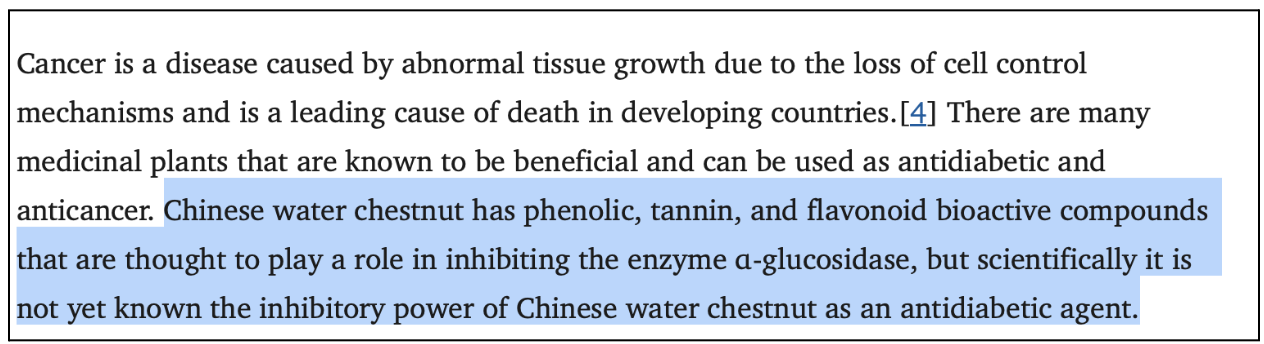
Source: Baehaki, A., Widiastuti, I., Lestari, S., Masruro, M., & Putra, H. A. (2021). Antidiabetic and anticancer activity of Chinese water chestnut (Eleocharis dulcis) extract with multistage extraction. Journal of advanced pharmaceutical technology & research, 12(1), 40–44. https://doi.org/10.4103/japtr.JAPTR_67_20
While water chestnuts aren’t a therapeutic tool, their natural potassium content makes them a supportive food for individuals looking to maintain heart-friendly eating patterns.
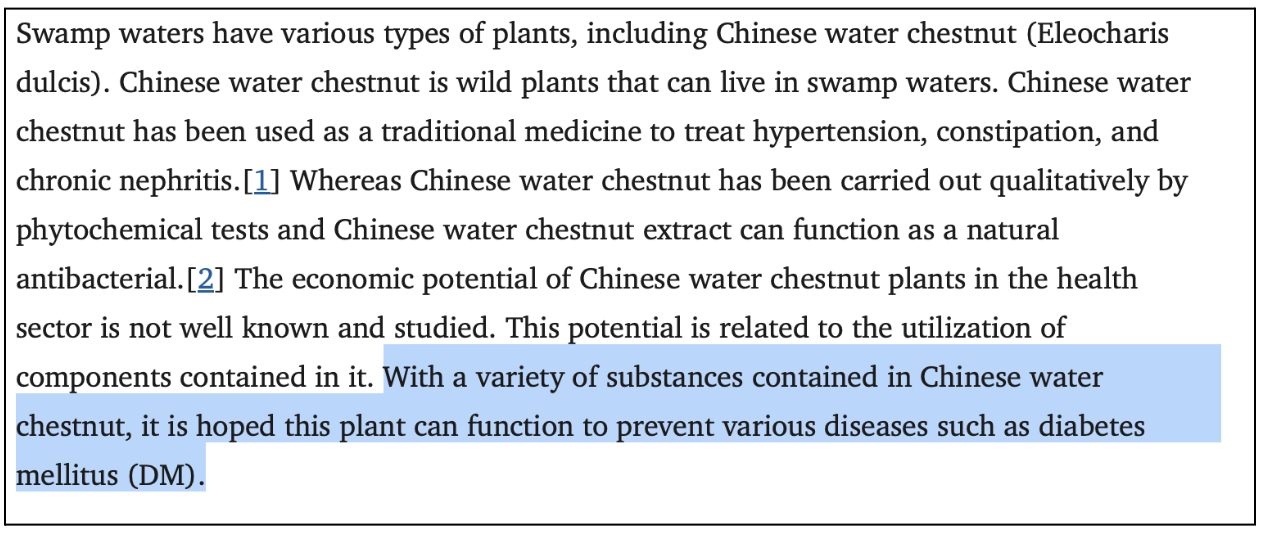
Source: Baehaki, A., Widiastuti, I., Lestari, S., Masruro, M., & Putra, H. A. (2021). Antidiabetic and anticancer activity of Chinese water chestnut (Eleocharis dulcis) extract with multistage extraction. Journal of advanced pharmaceutical technology & research, 12(1), 40–44. https://doi.org/10.4103/japtr.JAPTR_67_20
5. Antioxidant Protection from Ferulic Acid and Polyphenols
One of the most scientifically fascinating water chestnut benefits lies in its antioxidant chemistry. Water chestnuts contain ferulic acid, a phenolic compound widely studied for its ability to neutralize reactive oxygen species. Ferulic acid also strengthens cellular membranes, which may explain both its traditional description as a strengthening food and its unusual ability to retain crunch even after cooking. In addition, flavonoids and other polyphenols in water chestnuts contribute to their antioxidant capacity, adding yet another dimension to their nutritional relevance.
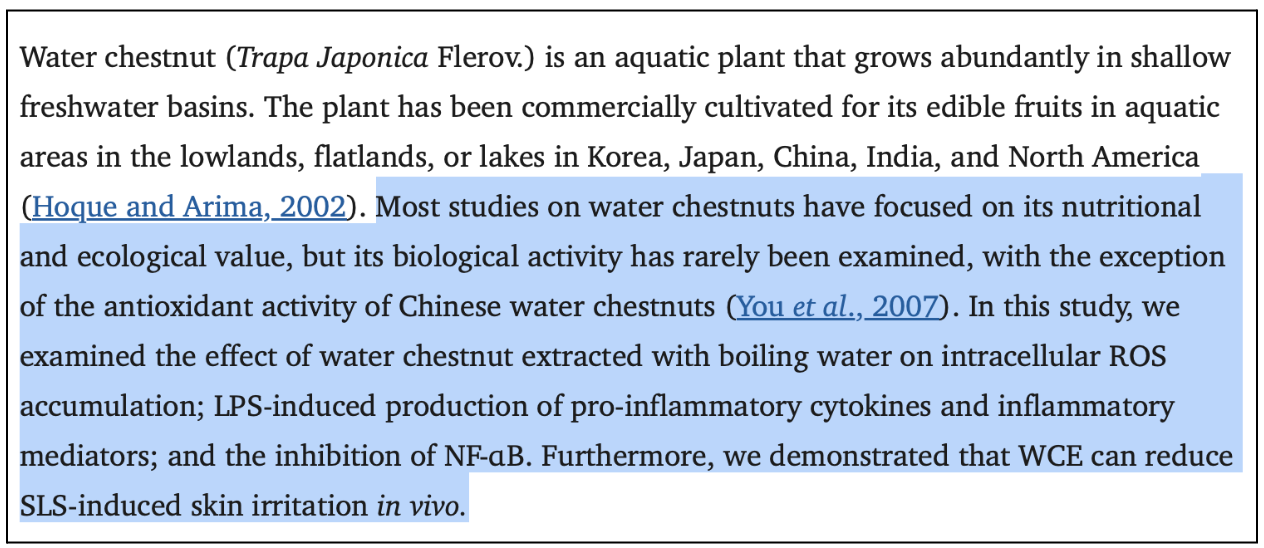
Source: Kim, B., Kim, J. E., Choi, B. K., & Kim, H. S. (2015). Anti-Inflammatory Effects of Water Chestnut Extract on Cytokine Responses via Nuclear Factor-κB-signaling Pathway. Biomolecules & therapeutics, 23(1), 90–97. https://doi.org/10.4062/biomolther.2014.080
5. Glucose-Friendly for Many Individuals
While every individual’s metabolic needs are different, the combination of moderate glycemic carbohydrates, high water content, negligible fat, and gentle fiber makes water chestnuts suitable for many people seeking steady energy without sharp glucose spikes.
Disclaimer: The caution is simply to avoid raw, unwashed produce and to maintain variety in the food plate. There is no evidence suggesting harm when consumed sensibly, but as with any food, a personalised approach is best. Consult your healthcare professional before making significant changes to your food habits.
Who Should Be Cautious?
Even though the water chestnut benefits make it a nourishing seasonal food, a balanced perspective is equally important. Every ingredient, no matter how nutrient-dense, works differently for different bodies.
1. Individuals With Allergies:
Allergies to water chestnuts are uncommon but documented. These reactions arise from specific storage proteins that may trigger the immune system in sensitized individuals. If someone has a known history of food allergies; especially to nuts, aquatic plants, or tubers, it is better to introduce water chestnuts slowly and observe how the body responds.
2. Thyroid Concerns and Goitrogenic Potential:
Raw water chestnuts contain naturally occurring goitrogenic compounds that may interfere with iodine uptake when consumed in large quantities. This does not mean you need to avoid them; simply moderate raw intake and enjoy them cooked or roasted if you have thyroid-related concerns. Cooking reduces goitrogenic activity significantly.
3. Potassium Sensitivity in Kidney Conditions:
While this supports heart health for most people, individuals with chronic kidney disease or reduced renal clearance may need to be mindful of potassium-dense foods. Impaired kidneys cannot efficiently remove excess potassium, making monitoring essential. For such individuals, small portions and guidance from a healthcare provider usually strike the right balance.
4. Blood Sugar Management:
Although water chestnuts have a moderate glycemic impact, the body’s response can vary. If someone is actively managing blood sugar, pairing water chestnuts with protein or healthy fats can help stabilize glucose responses.
5. Safe Washing and Preparation
Being an aquatic crop, proper cleaning matters. Stagnant water sources may sometimes contain microbial contaminants or residues. Thorough washing, peeling, or cooking significantly reduces these risks. This is particularly important if you plan to include raw water chestnuts in salads or snacks.
How Much Should You Consume?
When we talk about enjoying seasonal produce, the question that naturally comes up, “How much is right for me?”, is an important one. Even with all the well-documented water chestnut benefits, mindful portions help you enjoy the nourishment without overwhelming your system.
Fresh Water Chestnuts: 4–6 Pieces (60–100 g)
A widely accepted serving of fresh water chestnuts ranges from four to six pieces, which typically equals about 60–100 grams.
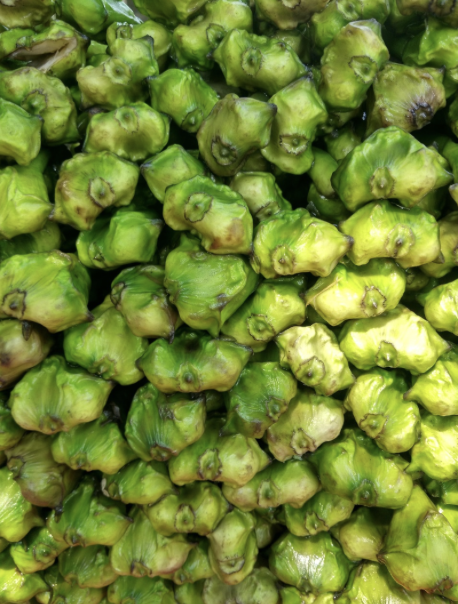
Image Credits: Freepik
Singhara Atta: 2–4 Tablespoons in Recipes
If you’re using singhara flour in water chestnut recipes, two to four tablespoons per serving work well for most individuals.
Why Moderation Matters:
The body thrives on balance. Overconsumption of any single food, no matter how nourishing, can disrupt the nutrient diversity needed for gut microbiome health, metabolic flexibility, and immunity.
Consider Your Unique Needs
Your ideal portion depends on far more than generic guidelines. Factors like age, metabolism, gut health, menstrual cycle phases, and physical activity influence how your body responds. For example:
- Individuals with active lifestyles may comfortably enjoy slightly larger portions due to higher glycogen demands.
- Those following low-carbohydrate foods may prefer smaller servings depending on daily macronutrient goals.
- People managing sensitive digestion often do well when they increase slowly and observe how their system responds.
How to Eat Water Chestnut: Simple, Nourishing Ways to Enjoy It
- Fresh and Crunchy: Fresh water chestnuts are a favourite across cultures because they deliver instant hydration and gentle sweetness.
- Lightly Steamed With Rock Salt: A short steam, just enough to soften the outer layer, helps retain its crisp inner flesh. Traditional Ayurvedic kitchens often used this method because steaming preserves prana (life-force), while the mild sodium in rock salt supports electrolyte balance.
- Crisp Additions to Stir-Fries: If you’re someone who loves experimenting in the kitchen, water chestnuts bring an incredible texture to Asian-style stir-fries.
- Blended Into Curries or Asian Gravies: Their mild flavour absorbs spices beautifully. Adding them to broths, Thai-inspired gravies, or even simple home-style sabzis can elevate both texture and nutrient density.
As Singhara Flour During Fasting Seasons
You can rotate it through your meals as pancakes, parathas, or even a porridge base.
How to Store Water Chestnuts the Right Way
One of the most overlooked aspects of enjoying seasonal produce is storage. You could bring home the freshest batch, but if they aren’t stored well, the texture and nutrient value begin to decline rapidly.
Store Unpeeled Water Chestnuts in a Cool, Dry Space
Fresh, unpeeled water chestnuts naturally come with a protective outer layer that shields the inner flesh from bacterial exposure. Keeping them in a cool, dry environment slows enzymatic activity, which helps preserve their crispness.
Refrigerate for Short-Term Use (3–5 Days)
If you plan to use them within the week, whether for salads, fasting meals, or your favourite water chestnut recipes, store them in the refrigerator. The low temperature reduces respiration rate (the natural process by which vegetables age), helping preserve fibre, antioxidants, and water-soluble vitamins.
Store Peeled Water Chestnuts Submerged in Fresh Water
Once peeled, water chestnuts lose the natural protective barrier that prevents oxidation. Submerging them in fresh, clean water slows enzymatic browning and maintains their crunch. Water immersion for high-moisture vegetables reduces exposure to oxygen, thereby preserving texture and nutrient retention.
However, the water must be changed daily. Fresh water reduces microbial build-up, protects against spoilage bacteria, and maintains the chestnut’s natural sweetness. This simple practice is particularly important if you’re using them during fasting days or preparing meals for pregnancy, where food safety is crucial.
Why Proper Storage Matters for Your Body
Storing them correctly isn’t just about maintaining crunch; it’s about nourishment. Poor storage can degrade nutrients, especially vitamin B6 and phenolic compounds. Ensuring proper storage allows your body to receive the clean carbohydrates, hydration, electrolytes, and polyphenols that make water chestnuts such a valuable seasonal food.
A Gentle Reminder on Safety
Proper storage plays a role in minimising water chestnut side effects. Stagnant water, prolonged moisture exposure, or improper refrigeration can increase microbial growth, which may trigger digestive discomfort in sensitive individuals. Simple daily practices such as rinsing, soaking in clean water, and refrigeration significantly reduce these risks.
Returning to the Wisdom of Simplicity
Water chestnuts are one of those seasonal gifts that can fit into simple snacks, festive plates, or even mindful eating rituals. As you start adding them to your routine when it is available in seasons, it nourishes you.
Disclaimer: The information shared in this blog is intended for general awareness and educational purposes. It is NOT a substitute for personalised medical guidance, diagnosis, or treatment. Every individual’s body is unique, and responses to foods, including water chestnuts, can vary based on health conditions, medications, allergies, pregnancy, and overall lifestyle. If you have specific concerns or existing medical conditions, please consult your healthcare professional before making significant changes to your food habits. Always listen to your body and choose what feels right and safe for you.
Need personalised guidance for your health?
We help you find a way.
Set up a one-on-one consultation with our team or explore our Wellness Programs to optimize your lifestyle goals.
Reach out to us at 1800 102 0253 or write to us at consults@lukecoutinho.com