No products in the cart.
Picture this.
A large steel plate placed gently in front of you.
A soft mound of rice or a warm roti resting at the center.
Around it, small katoris, each holding something different. A golden dal. A seasonal sabzi. Cooling curd. A tangy pickle. Maybe a spoon of chutney. The aroma of cumin, turmeric, and coriander quietly rising before the first bite.
This is the Indian thali.
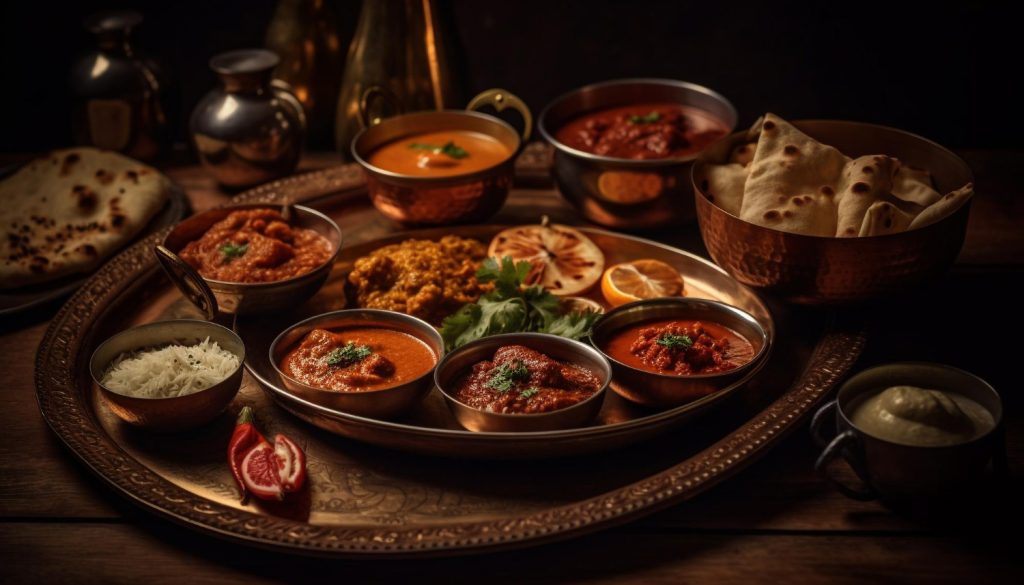
Image Credits: Freepik
At first glance, it appears to be a simple and comforting meal. But look closer, and you begin to realize that this healthy thali isn’t just about taste or tradition. It’s about balance. It’s about how different foods work together to nourish the body, support digestion, and quietly protect long-term health.
This isn’t accidental plating.
This is nutritional intelligence.
Long before calories were counted, before protein grams and macros became household terms, the Indian thali was designed as a complete system. A system that naturally balances carbohydrates, proteins, fats, fiber, and micronutrients.
When discussing Indian food and nutrition, the thali stands out as a living example of how traditional food structures can support modern health needs.
From fermented curd and pickles that introduce beneficial bacteria, to dals and vegetables that feed them, the thali quietly supports gut diversity in a way few modern meals do.
Here, we’ll explore:
- Why the Indian thali is naturally balanced and gut-friendly
- How Indian thali calories are moderated through portioning and variety
- The role of spices, fiber, and fermentation in gut-friendly Indian foods
- How probiotics in Indian food support digestion and microbial diversity
- Why the ancient Indian meal aligns closely with modern nutrition science
- And how the healthy food of India can still guide us toward better health today
Because sometimes, moving forward in health doesn’t require something new. It simply requires remembering what already worked.
What Makes the Indian Thali a Balanced Meal
The brilliance of a traditional food thali lies in its structure. Nothing dominates the plate. No single food is meant to do all the work. Instead, the thali brings together multiple elements, each playing a specific role, creating a meal that is far more balanced than it appears.
This balance is not about restriction.
It’s about completion.
The Anatomy of a Thali
At its core, a classic Indian thali includes:
- Grains such as rice or roti provide steady energy
- Legumes like dal, chana, or rajma are rich in plant protein and fiber
- Vegetables, often seasonal and regional, cooked simply as sabzi or bhaji
- Dairy, usually curd or buttermilk, offers cooling, gut-supportive benefits
- Fermented foods and condiments, such as pickles and chutneys, are used in small but powerful amounts
- Spices, not just for flavor, but for digestion and metabolic support
What stands out here is not excess; it’s variety.
Multiple small portions encourage the body to receive a wide range of nutrients in one meal, rather than relying on large quantities of a single dish.
Natural Macronutrient Balance Without Counting
One of the most overlooked strengths of the Indian thali is how effortlessly it balances macronutrients, without the need to count or track.
- Carbohydrates come from grains like rice, millets, or wheat-based rotis
- Proteins are supplied through dals, legumes, curd, and sometimes nuts or seeds
- Healthy fats appear in small amounts from ghee, cold-pressed oils, seeds, or coconut oil
This combination helps slow digestion, stabilize blood sugar levels, and prevent sharp energy crashes after meals.
- Instead of quick spikes followed by fatigue, the body receives a steady release of energy, something many people struggle with on highly refined, low-fiber meals.
Micronutrients & Phytochemicals: The Missing Conversation
When we talk about Indian food and nutrition, the conversation often stops at calories, protein, or fat. But the real magic of the thali lies beyond these basics.
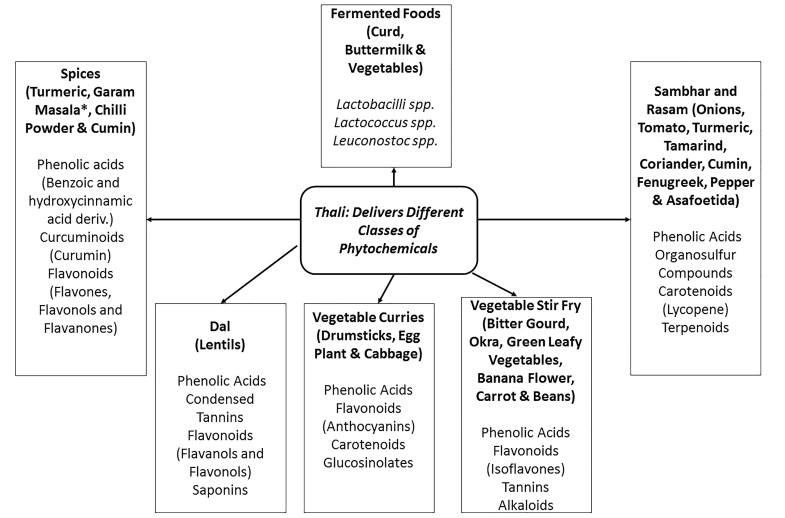
Vegetables, legumes, herbs, and spices bring with them a rich supply of:
- Vitamins and minerals
- Antioxidants
- Phytochemicals, natural bioactive compounds found in plant foods
Source: Shondelmyer K, Knight R, Sanivarapu A, Ogino S, Vanamala JKP. Ancient Thali Diet: Gut Microbiota, Immunity, and Health. Yale J Biol Med. 2018 Jun 28;91(2):177-184. PMID: 29955222; PMCID: PMC6020729.
Phytochemicals aren’t classified as essential nutrients, yet they play a powerful role in reducing inflammation, supporting immunity, and nourishing beneficial gut bacteria.
- Many of these compounds also give plant foods their color, deep greens, yellows, reds, and purples, making a colorful thali a visual cue for nutritional diversity.
Meals rich in a wide range of plant foods help maintain a healthier gut microbiome by promoting microbial diversity.
- This diversity is closely linked to a lower risk of chronic inflammation, metabolic disorders, and gut-related diseases.

Source: Shen Y, Fan N, et al. Gut Microbiota Dysbiosis: Pathogenesis, Diseases, Prevention, and Therapy. MedComm (2020). 2025 Apr 18;6(5):e70168. doi: 10.1002/mco2.70168. PMID: 40255918; PMCID: PMC12006732.
The Gut-Friendly Science Behind Thali Ingredients
To truly understand why the Indian thali works so well, we need to look beyond the plate and into the gut.
Fiber: The Fuel Your Gut Bacteria Thrive On
Fiber is often spoken about in terms of digestion and regularity. But its most important role happens deeper in the gut.
In a traditional thali, fiber comes from multiple sources:
- Dal and legumes are rich in soluble and insoluble fiber
- Vegetables, especially seasonal and regional varieties
- Whole grains, including rice, wheat, and millets
Unlike simple carbohydrates, fiber is not fully digested in the small intestine.
- Instead, it travels to the colon, where it becomes food for beneficial gut bacteria.
- As these bacteria ferment fiber, they produce compounds that help maintain the gut lining, regulate inflammation, and support metabolic health.
Higher fiber intake is associated with greater microbial diversity, a key marker of a healthy gut.
Probiotics in Everyday Indian Foods
Another strength of the thali lies in its quiet inclusion of fermented foods, often consumed daily, in small amounts.
Common examples include:
- Curd and buttermilk
- Fermented pickles
- Idli, dosa, dhokla, and other naturally fermented batters
These foods contain live beneficial bacteria, making them powerful sources of probiotics that Indian food traditions have relied on for generations.
It’s important to understand a simple distinction:
- Probiotics are live beneficial bacteria found in fermented foods
- Prebiotics are fibers that feed those bacteria
A traditional thali often includes both curd, which provides the bacteria, while dal and vegetables provide their fuel. This synergy is far more effective than relying on supplements alone.
Small, consistent amounts matter more than large doses. Regular inclusion of fermented foods supports gut balance gently and sustainably, without overwhelming the digestive system.
Try these:
https://www.lukecoutinho.com/blogs/nutrition-en/kanji-kimchi-easy-recipes-probiotic-home/
Spices That Do More Than Add Flavor
Spices are often viewed as flavor enhancers. In Indian cooking, they are also functional ingredients with biological effects.
- Turmeric, rich in curcumin, is known for its anti-inflammatory properties
- Cumin and coriander support digestion and reduce bloating
- Hing (asafoetida) helps prevent gas and supports smoother gut motility
From a scientific perspective, many spices contain bioactive compounds that help:
- Reduce low-grade chronic inflammation
- Support a healthier gut environment
- Limit the overgrowth of harmful bacteria
To learn more about the science behind using Indian spices, click here.
Calories and Portion Control in a Traditional Thali
When people look at a full thali, the first thought is often, “This looks like too much food.”
In reality, the traditional thali may be one of the most effective examples of portion control we have, without measuring, weighing, or tracking a single thing.
The secret lies not in eating less, but in eating wisely.
Why Thali Portions Naturally Prevent Overeating
A traditional thali doesn’t rely on one large dish. Instead, it uses multiple small katoris, each offering a different taste, texture, and nutrient profile.
This structure does something important:
- Small portions encourage moderation without conscious restriction
- Variety increases satisfaction, a concept known as sensory satiety
- When the palate experiences different flavors: sweet, sour, bitter, pungent, it feels satisfied sooner
Lack of dietary variety often leads to overeating, especially of refined or hyperpalatable foods. The thali counters this by engaging the senses fully, reducing the urge to overconsume.
Another overlooked benefit is pace.
Thali meals are rarely rushed. Eating different components slows the meal down, giving the gut and brain enough time to communicate fullness signals. Slower eating is consistently linked to better digestion, improved blood sugar response, and reduced calorie intake over time.
Understanding Indian Thali Calories
The question of Indian thali calories cannot be answered with a single number, and that’s a good thing.
Calorie content varies depending on:
- Ingredients used (refined vs whole grains, seasonal vegetables, legumes
- Cooking methods (deep-frying vs sautéing, steaming, slow cooking)
- Portion sizes of each katori
Traditional thalis were never built around excess oil, sugar, or refined flour. Their calorie balance came from fibre-rich foods that promoted fullness, supported gut bacteria, and reduced post-meal glucose spikes.
Customizing Your Thali for Your Body
One of the strengths of the thali is its adaptability. The structure stays the same; the proportions change.
- For weight management: Increase vegetables and legumes, reduce refined grains, keep fats moderate
- For blood sugar balance: Pair grains with adequate protein and fiber, and avoid skipping dals or vegetables
- For gut healing: Prioritize cooked vegetables, fermented foods, and anti-inflammatory spices
This isn’t about restriction; it’s about intelligent swapping.
Ancient Indian Wisdom Meets Modern Nutrition
One of the most fascinating aspects of nutrition science today is this: the more we study the gut, the more it begins to echo principles that have existed in Indian food traditions for centuries.
Ayurveda’s Six Tastes and Microbial Diversity
Ayurveda teaches that every complete meal should include six tastes:
- Sweet
- Sour
- Salty
- Bitter
- Pungent
- Astringent
This principle wasn’t created for culinary pleasure alone. Each taste reflects the presence of different plant compounds and bioactive substances in food.
From a modern perspective, this makes perfect sense. Taste diversity often signals phytochemical diversity, and phytochemicals play a key role in shaping gut health.
In simple terms:
- More tastes on the plate often mean more variety for your gut bacteria.
- The Indian thali, by design, brings these tastes together through vegetables, dals, spices, curd, and condiments, creating a meal that supports internal diversity without needing conscious planning.
Why Color on the Plate Matters More Than We Realize
Another powerful, often overlooked aspect of the traditional thali is its natural color diversity.
From deep greens and earthy browns to reds, yellows, purples, and oranges, color in food is not decorative. It is biochemical information.
Many bioactive compounds are also natural pigments:
- Blue, purple, and red-purple foods signal the presence of anthocyanins, compounds known to support gut health and reduce oxidative stress
- Orange foods indicate carotenes, linked to immune and metabolic health
- Yellow foods often contain lutein and zeaxanthin, important for cellular protection
- Red and pink foods are rich in lycopene, associated with anti-inflammatory benefits
Interestingly, vegetables like carrots, cauliflower, cabbage, and even potatoes have traditional red and purple cultivars, and these pigmented varieties often contain significantly higher levels of protective compounds than their white or pale counterparts.
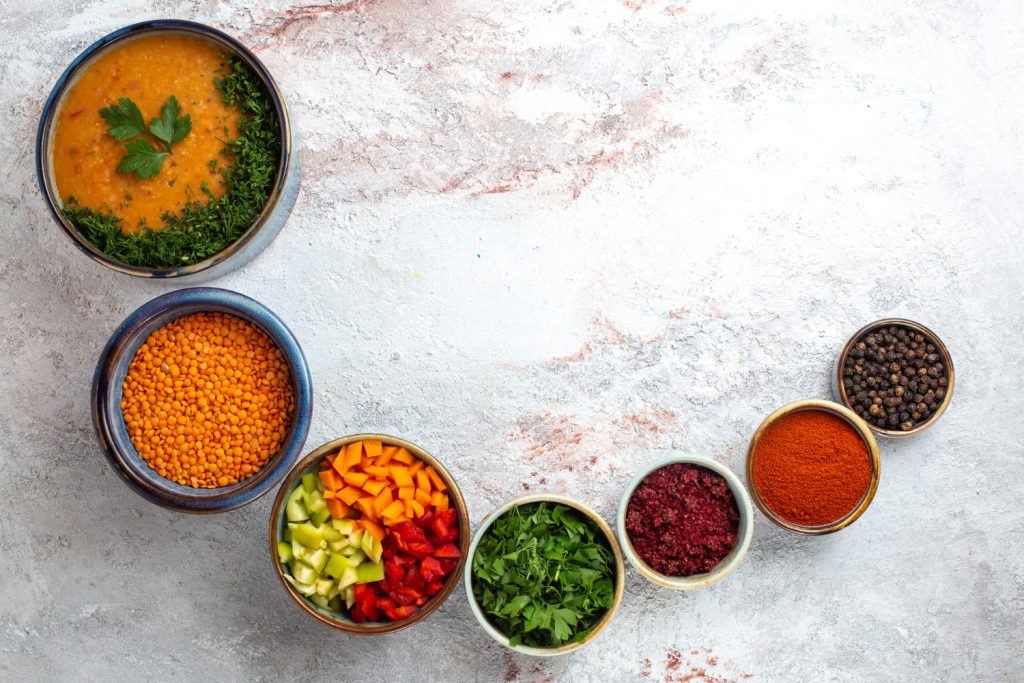
Image Credits: Freepik
Meal Sequencing & Digestive Fire
Traditional Indian meals also followed a natural eating sequence.
Lighter, easier-to-digest foods were often consumed first, followed by more grounding and heavier components. This wasn’t rigid or rule-based; it evolved through observation.
From a gut-health standpoint, this sequencing helps:
- Reduce digestive stress
- Support smoother digestion
- Improve nutrient absorption
Overwhelming the digestive system through heavy, highly processed meals can disrupt gut function and promote inflammation. The traditional approach, on the other hand, respects digestive capacity and works with the body rather than against it.
It’s not about perfection. It’s about pacing.
Seasonal, Regional, and Local: The Forgotten Advantage
One of the strongest links between traditional Indian meals and gut health lies in seasonality and regional diversity.
Seasonal foods tend to be:
- Fresher
- More nutrient-dense
- Better suited to the body’s changing needs
Regional food habits also expose the gut to different fibers, vegetables, grains, and spices, naturally increasing microbial diversity over time.
How the Indian Thali Supports Long-Term Gut and Metabolic Health
The real power of the Indian thali doesn’t show up in a single meal or a single biomarker. It shows up over time.
How Thali-Style Eating Works as a System (Not a Single Nutrient)
To make this clearer, here’s how a traditional food thali supports gut and metabolic health at a systems level:
| Thali Component | What It Does in the Body | Long-Term Impact |
| Whole grains & legumes | Provide fermentable fibre | Higher gut microbial diversity |
| Vegetables & spices | Supply phytochemicals | Lower inflammation |
| Fermented foods | Introduce beneficial bacteria | Improved gut balance |
| Small portions | Prevent excess caloric load | Better metabolic regulation |
| Variety of tastes & colors | Signal nutrient diversity | Resilient gut ecosystem |
Why Western Diets Struggle Where Thalis Succeed
This contrast isn’t about culture, it’s about structure. Many modern Western-style diets share common features:
- Low fiber intake
- High processing
- Excess refined fats and sugars
- Additives like emulsifiers
- High intake of red and processed meats
These patterns are associated with:
- Reduced microbial diversity
- Increased gut inflammation
- Thinning of the gut’s protective mucus layer
- Greater metabolic strain over time
In contrast, the Indian thali evolved without:
- Ultra-processed foods
- Artificial emulsifiers
- Isolated nutrients
Instead, it relied on whole foods, variety, and moderation; principles now echoed in modern recommendations for gut-friendly Indian foods and metabolic health.
Here’s a simple comparison:
| Modern Western Pattern | Traditional Thali Pattern |
| Large portions, few items | Small portions, many items |
| Low fiber | Naturally fiber-rich |
| Highly processed | Minimally processed |
| Uniform meals daily | Seasonal & regional variety |
| Additives & emulsifiers | Spices & natural fermentation |
The result? One pattern strains the gut over time. The other supports it quietly and consistently.
Quick Summary: Tips for Making Your Indian Thali Gut-Friendly at Home
A healthy thali isn’t created by rules or restriction; it’s shaped by color, diversity, fermentation, and the way you eat.
| Thali Practice | What to Do Practically | Gut & Metabolic Science Behind It |
| Build color, not complexity | Aim for 4–5 natural colors per meal using seasonal vegetables | Different colors represent different bioactive compounds (like anthocyanins, carotenoids, lutein), which support microbial diversity and reduce gut inflammation |
| Rotate vegetables weekly | Change sabzis instead of repeating the same “healthy” options | Greater plant variety feeds a wider range of gut bacteria, improving resilience and digestion |
| Include fermented foods daily | Add small portions of curd or buttermilk | Naturally occurring probiotics support gut balance more effectively when consumed regularly in small amounts |
| Balance the plate | Combine grains, dal, vegetables, fats, and condiments | This natural macronutrient balance slows digestion, stabilizes blood sugar, and improves nutrient absorption |
| Eat slowly and chew well | Take time, avoid distractions | Slower eating enhances digestive enzyme release and improves satiety signals |
| Use your hands when possible | Engage touch and texture while eating | Sensory cues activate gut–brain signaling, preparing the digestive system before food reaches the stomach |
Indian Thali Do’s and Don’ts: Eating It the Way It Works Best
A thali works beautifully when its structure is respected. Small shifts in how we build and eat it can make a big difference to digestion, gut health, and metabolic balance.
| Do’s | Why It Helps | Don’ts | Why It Disrupts |
| Include a variety of vegetables | Feeds diverse gut bacteria and improves nutrient intake | Fill the plate with just one sabzi | Reduces microbial diversity over time |
| Keep portions moderate using small katoris | Encourages satiety and prevents overeating | Overserve “healthy” foods | Quantity matters, even with nutritious foods |
| Add fermented foods like curd or buttermilk | Supports digestion and gut balance | Skip fermentation regularly | Misses daily probiotic support |
| Rotate grains and dals | Prevents dietary monotony and improves gut resilience | Eat the same grains daily | Limits nutrient and fiber diversity |
| Eat slowly and chew well | Improves digestion and fullness cues | Rush meals or eat distracted | Impairs digestion and leads to overeating |
| Use ghee and fats in small amounts | Supports absorption of fat-soluble nutrients | Avoid fats completely | Can affect hormone balance and nutrient uptake |
| Honor seasonal ingredients | Aligns with natural nutrient availability | Rely heavily on processed add-ons | Adds additives and reduces food quality |
The Last Word
At Team Luke, we often remind our community that health isn’t something you fix in phases; it’s something you build on strong foundations and practice daily.
Quietly. Consistently. Without extremes.
The Indian thali isn’t a relic of the past. It’s a living, breathing example of how food can support the gut, metabolism, and long-term wellbeing, when the focus stays on foundations, not fads.
And sometimes, the most powerful step forward… is simply returning to what already worked.
Frequently Asked Questions
What makes the Indian thali a balanced and gut-friendly meal?
A traditional Indian thali combines grains, dals, vegetables, fermented foods, fats, and spices in small portions. This natural balance supports digestion, microbial diversity, and steady energy. The variety of fibers and bioactive compounds makes the Indian thali both balanced and gut-friendly by design.
How do probiotics in Indian food support digestion?
Probiotics in Indian food, like curd, buttermilk, and fermented batters, introduce beneficial bacteria to the gut. When consumed regularly in small amounts, these probiotics support digestion, improve nutrient absorption, and help maintain a healthy gut microbiome without relying on supplements.
What are the calorie counts of a traditional Indian thali?
Indian thali calories vary based on ingredients, cooking methods, and portions. Rather than fixed numbers, a traditional thali focuses on balance, diversity, and satiety. This approach naturally prevents overeating and supports metabolic health better than calorie-centric meal planning.
How does the ancient Indian thali meal benefit gut health?
The ancient Indian meals emphasize seasonal foods, diverse plant sources, fermentation, and spices. This combination supports gut diversity, reduces inflammation, and strengthens digestion. Many principles of modern gut health research closely align with these traditional dietary foundations.
How can I make my homemade Indian thali more gut-friendly?
To build a healthy Indian thali at home, focus on color diversity, rotate vegetables weekly, include fermented foods like curd, and eat mindfully. Small, consistent habits, rather than restrictions, help improve digestion, gut balance, and long-term metabolic health.
Disclaimer: This blog is for educational and informational purposes only and is not a substitute for professional medical advice, diagnosis, or treatment. Always seek the advice of your physician or qualified healthcare provider with any questions you may have regarding a medical condition.
If you’re struggling with any health conditions, don’t wait.
Set up a one-on-one consultation with our team or explore our Wellness Programs to optimize your health goals.
Reach out to us at 1800 102 0253 or write to us at [email protected].