No products in the cart.
A few months ago, a client told us she’d stopped tying her hair up. Not because she wanted a new look, but because she didn’t want to see what was coming off on the scrunchie. She’d tried a new shampoo, a new serum, even a supplement she saw online. Nothing changed. What did change was her stress, her sleep, and the number of things she was throwing at the problem.
Does this sound familiar? You’re not the only one. Hair can start looking dull, thinning out, leaving more strands on the pillow, widening at the parting, and feeling dry, no matter what you apply. Add stress to the mix, and you have a vicious cycle: you see an abnormal rate of hair fall, which makes you stressed, and then that causes more hair fall.
It’s personal, and it can mess with your confidence. But panic shopping rarely fixes root causes.
There’s no single magic oil for everyone, but one oil consistently earns its place as a baseline habit for most people because it helps reduce damage and support hair integrity.
The answer lies in cold-pressed coconut oil. And before you roll your eyes because it sounds too simple, that’s the point.
Hair is never just about hair. It’s a reflection of what’s happening inside and how we live.
We need to look at it as a whole-body signal. Nutrient gaps, stress, sleep, gut health, refined sugar, and circulation all change what’s happening at the scalp.
Why Hair Changes in the First Place
When hair starts looking dull, thinning out, or shedding more than usual, it’s easy to treat it like a surface problem. A new oil. A new shampoo. A new supplement. But hair doesn’t behave like a cosmetic accessory. It behaves like living tissue. It responds to hormones, inflammation, nutrient availability, circulation, and the stress load you’re carrying. That’s why the most effective approach is always inside-out: instead of asking, “What should I apply?”, we start by asking, why is this happening?
- Nutrient Insufficiencies (Common, Fixable)
Hair needs consistent nourishment to grow and stay strong. Low vitamin D, iron, zinc, and selenium can affect growth and resilience. The same goes for vitamin A and B vitamins, which support cellular function. And then there’s protein, hair is largely made of it. If you’re not eating enough, or you’re not digesting and absorbing well, you’ll often see it show up on your scalp before you see it anywhere else. - Autoimmune and Clinical Causes
Conditions like alopecia and other inflammatory scalp issues can cause noticeable thinning or patchy loss. If you’re seeing sudden shedding, clear patches, persistent itching, redness, or scaling, don’t self-diagnose. Get it checked by a dermatologist. - Lifestyle Drivers That Quietly Wreck Hair
Stress is a big one. You can eat well and still see hair changes when stress is high. Add poor sleep, blood sugar swings, low activity, and overprocessed foods, and the scalp environment takes a hit. - Gut and Elimination
Constipation, bloating, and dysbiosis can interfere with nutrient absorption and increase inflammatory load. High refined sugar intake often makes gut imbalance worse, which can indirectly show up as hair issues over time.
The real power move is identifying the why first, because once the foundations are supported, topical care starts working with your body instead of trying to fight against it.
If Bio-Individuality Is Real, Why Do We Still Recommend One Oil First?
Bio-individuality is real. Two people can eat the same way, use the same shampoo, apply the same oil, and get completely different results. One person’s scalp thrives, another person gets itching or build-up. That’s why we never force a one-size-fits-all approach.
But when people ask us where to start, we still like having a default best option. Not because it’s trendy or because a brand told us so, but because we look at oils through a very simple filter: does it support hair structure?
From a scientific point of view, we want an oil that helps reduce protein loss from the hair shaft, because hair is largely protein. When hair loses protein, it starts looking dull, weak, and more prone to breakage. So for us, “effective” does not mean overnight growth or miracle regrowth claims. It means protecting the hair you already have, reducing damage, and supporting a healthier scalp environment so new hair has a better chance to grow.
When we use that filter, one oil consistently stands out.
The Oil With the Edge: Coconut Oil ( What Makes It Different)
When we look at hair oils, we’re not just looking for something that makes hair feel soft for a few hours. We’re looking for something that protects the structure of your hair and supports a healthier scalp environment over time. That’s where coconut oil earns its place.

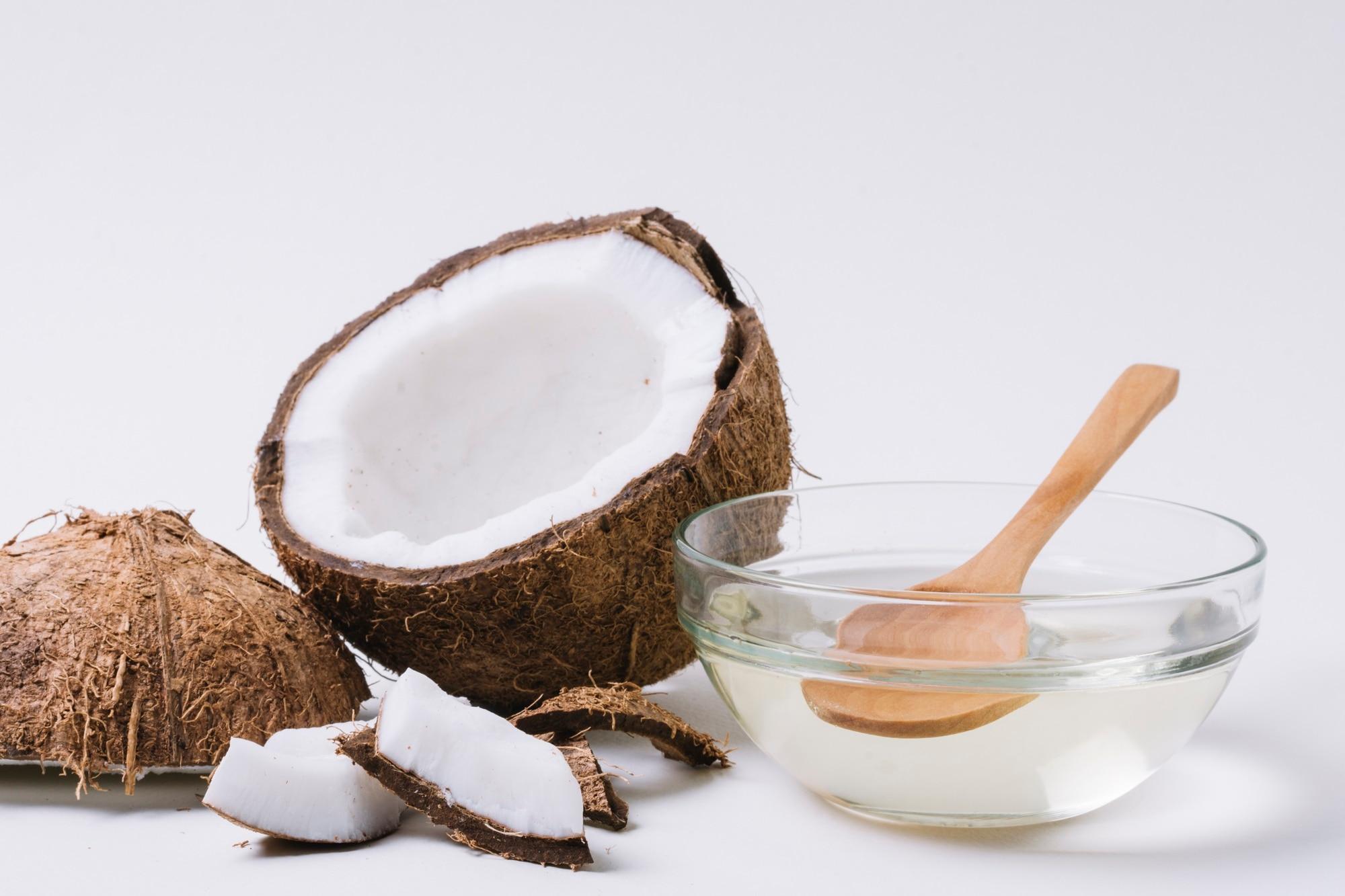
Image by Freepik
A. The Science Lens: Protein Loss and Hair Damage
Hair is largely made of protein. When that protein gets damaged or lost, you’ll usually notice it as:
- Dullness that doesn’t improve no matter what you apply
- Breakage that looks like “hair fall” but is actually snapping
- Frizz and rough texture
- Hair that starts feeling thinner or weaker over time
Coconut oil has evidence supporting reduced protein loss in both damaged and undamaged hair. That matters because it’s not only helpful when your hair is already struggling, it can also help protect healthy hair from ongoing damage. Think of it like basic maintenance. Not a quick fix, but a way to reduce the wear-and-tear that adds up over months.
B. Why Coconut Oil Is More Than Just ‘Moisture’
A lot of oils make hair feel smoother. Coconut oil is different because it brings a few extra advantages:
- It contains lauric acid, which is one of the reasons it’s so widely studied and used.
- It supports the scalp ecosystem. Many people deal with scalp issues silently like:
- Flaking
- Mild itching
- Buildup
- Recurring dandruff-like symptoms
Coconut oil is commonly recognized for being antifungal and antibacterial, which can matter because scalp imbalance can affect the follicles over time. When the scalp environment isn’t healthy, new hair growth becomes harder and existing follicles can weaken.
C. Ancient Wisdom Meets Modern Lifestyle
Our grandparents didn’t have 14-step hair routines, yet many of them had stronger hair habits because the basics were consistent. Fast forward to modern life, and the disruptors are everywhere:
- Chronic stress
- High sugar and ultra-processed foods
- Poor sleep
- Overconsumption and undernourishment
- Low movement and poor circulation
Coconut oil isn’t a miracle oil. It’s a high-value ingredient that supports the foundations and has been trusted by generations of our ancestors. And it works best when the rest of your lifestyle is supporting your hair from the inside out.
Coconut Oil 101: Where It Comes From, How It’s Made, and How to Choose a Good One
Coconut oil comes from the meat of mature coconuts, traditionally used across tropical coastal regions for cooking, skin, and hair care. The basic idea is simple: extract the fat from coconut, keep it stable, and avoid damaging it with excessive processing.
How Coconut Oil is Made
- Virgin (unrefined) coconut oil: Made from fresh coconut meat. The oil is extracted with minimal processing (methods vary), which helps retain its natural aroma and compounds.
- Refined (RBD) coconut oil: Usually made from dried coconut (copra) and then refined, bleached, and deodorized. It’s more neutral, but also more processed.
Best Kind for Hair
For most people, we prefer virgin, cold-pressed (or expeller-pressed), unrefined coconut oil. It’s closer to the original ingredient and generally avoids heavy refining steps.
Label Checklist
- Virgin or unrefined
- Cold-pressed (or expeller-pressed)
- Minimal ingredients list (ideally just coconut oil)
- Packaged well (dark bottle or a good-quality jar, tightly sealed)
Quick At-home Checks (How to Tell it’s Decent)
- Smell: Should be mild, clean, coconut-like. If it smells sour, waxy (like crayons), or stale, it’s likely rancid.
- Color: Typically clear when melted, white/off-white when solid. A strong yellow tint can be a red flag.
- Texture: Should be smooth when solid. Grittiness, odd separation, or any moldy smell means it’s time to replace it.
- Storage: Keep it cool, dry, and away from sunlight. Moisture contamination is a common reason oils spoil early.
If you have an irritated scalp or a history of reactions, patch test first, and make an informed call before applying it regularly.
How To Use Coconut Oil Properly
The biggest reason people don’t see results with coconut oil is not because coconut oil ‘doesn’t work.’ It’s usually because the habit is inconsistent, the quantity is off, or the routine doesn’t fit real life. Keep it simple and repeatable.
Your Mini Protocol
1) Frequency
- Start with 1–2 times per week.
- Some people do 3 times, but begin conservatively and see how your scalp responds.
2) Timing Options (choose what fits your schedule)
- Pre-wash: Apply 1–2 hours before your shower, then wash as usual.
- Overnight: Apply at night, sleep, and wash it off in the morning.
- Post-wash option: If you didn’t get time before your shower, apply a small amount after washing, keep it on, and wash later (same day or next day). This works well for people with unpredictable mornings.
3) How Much
- Use just enough to lightly coat the scalp and run through the lengths.
- You don’t need your head dripping in oil. Too much turns it into a sticky mess, attracts dust, and makes you quit the habit. Consistency beats quantity.
4) Quality Matters
- Prefer cold-pressed, unrefined coconut oil when possible.
- Avoid heavily refined oils if you can, especially if you’re using it for scalp health.
5) Make It Sustainable
Pick a rhythm that feels automatic:
- Sunday evening reset
- Mid-week wind-down
- Post-work decompression ritual
Once this becomes routine, it stops feeling like “hair care” and starts feeling like basic hygiene.
 AI-generated Image
Common Hair Oiling Mistakes
One of the most common things we hear is: “I oiled my hair and nothing changed.” And that’s usually a clue, not a failure. It often means there’s something deeper going on, nutrient gaps, poor sleep, chronic stress, gut issues, or even an underlying scalp condition. In those cases, oiling can still be helpful, but it won’t be enough on its own.
Another mistake is overdoing castor oil. Castor oil can be great when blended with other oils, especially for people who like a heavier texture. But if the proportion of castor oil is too high, it can cause hair clumping, where strands start sticking together and matting in a way that’s hard to undo. Keep it as a supporting player, not the main act.
And finally, don’t use oil as a substitute for fundamentals. If your protein intake is low, your sleep is broken, and stress is running the show, no amount of coconut oil can outwork that. Hair responds best when the inside and outside are aligned.
AI-generated Image
When Oiling Isn’t Enough: The Foundations-First Checklist We Actually Use
Oiling can be a great habit, but if the foundations are weak, you’ll keep feeling like you’re doing everything and getting nowhere. That’s why we don’t treat hair as a vanity problem. We treat it as a whole-body signal. When the body is underfed, inflamed, stressed, or sleep-deprived, hair is often one of the first places it shows up.
Here’s the foundations-first checklist we actually use with clients:
A. Food Foundations
- Adequate protein per meal because hair is largely protein and needs building blocks consistently.
- Prioritize whole foods and cut down on refined sugar and ultra-processed snacks, especially if you’re seeing increased shedding or dullness.
- Check for common micronutrient gaps, especially iron, vitamin D, zinc, and selenium. These don’t just affect hair, they affect energy, immunity, and recovery too.
B. Movement and Circulation
Exercise improves circulation, which helps deliver nutrients and oxygen to the scalp. Even a daily walk counts. Consistency beats intensity when you’re trying to support long-term healing.
C. Sleep
Hair is tissue. Repair happens in rest. Poor sleep disrupts hormones and can amplify inflammation patterns, which often affects hair quality over time.
D. Stress and Emotional Load
Stress can shift hair into shedding mode and even change texture and color over time. Simple daily practices help: breathwork, a little sunlight, journaling, healthier boundaries, and anything that helps your nervous system downshift.
When these foundations improve, topical care starts working with your body, not against it.
Who Should Be Cautious With Coconut Oil
Coconut oil works well for many people, but it’s not a rule you have to follow. If you have a known sensitivity or allergy to coconut, don’t force it. Your scalp should feel calmer after you apply something, not more irritated.
If you’re dealing with scalp psoriasis, severe dandruff, active inflammation, persistent redness, or a worsening itch, take a more careful approach.
Do a small patch test first, and if symptoms flare up or you’re unsure what’s driving the issue, consult a dermatologist. Sometimes the scalp needs targeted care before any oil becomes helpful.
And remember, some scalps simply do better with alternate oils. That’s completely fine. The goal is a healthier scalp environment and stronger hair over time, not loyalty to one ingredient.
Final Word: Simplicity Is a Strategy, Not a Downgrade
If coconut oil suits you, start there. Keep it simple. Use it consistently for a month, not once in a while when you remember. And don’t treat it like a stand-alone solution. Pair it with the foundations that actually drive hair health: enough protein, nutrient-dense meals, better sleep, regular movement, and a calmer nervous system.
That’s where the real shift happens. Not in chasing the newest product, but in giving your body the conditions it needs to repair and grow.
If after weeks of consistent oiling plus foundational lifestyle support, you’re still struggling with hair fall, thinning, or scalp issues, Team Luke’s Foundational Medicine Experts can help you investigate the root causes.
Join Our Wellness Program for a comprehensive approach to better health.
Need personalized guidance for prevention, management, or recovery after a cardiac episode?
Book a consult with our Foundational Medicine and Lifestyle Experts.
We’re here to help you find a way forward through food, lifestyle, and deep-rooted healing.
📩 Write to us at [email protected]
📞 Or call us at 1800 102 0253
Disclaimer: This article is for general education and awareness only and is not a substitute for medical advice, diagnosis, or treatment. Hair fall and scalp concerns can have multiple underlying causes, including nutritional deficiencies, hormonal changes, autoimmune conditions, and skin disorders. If you have sudden or severe hair loss, patchy hair loss, persistent itching, redness, scaling, pain, or any worsening symptoms, consult a qualified dermatologist or healthcare professional. Always patch test coconut oil or any new topical product before regular use, especially if you have sensitive skin or a history of allergies.