No products in the cart.
👉 Click here to get the downloadable version of this Monsoon Wellness Guide
The first rain of the season feels like a relief. Cooler air, the smell of wet earth, chai on the windowsill. But for millions of people across India, monsoon also means a sudden wave of colds, stomach infections, low energy, and skin flare-ups.
Here is the truth: most seasonal content skips, the monsoon does not make you sick. It reveals what was already off-balance inside your body.
Immunity during monsoon is not about popping pills or drinking one magic drink. It is about understanding what shifts in your body when humidity spikes, digestive fire weakens, and the environment becomes a breeding ground for pathogens, and then making small, consistent choices that work with your biology.
“Your immunity is the sum of everything you do and don’t do, every single day. The monsoon simply shows you the score.”
This guide covers everything you need to navigate the rainy season confidently across all age groups, grounded in the six foundational pillars of health.
Why Monsoon Strains Your Immune System
When humidity crosses 70%, a cascade of changes begins inside your body that most people never connect to the season.
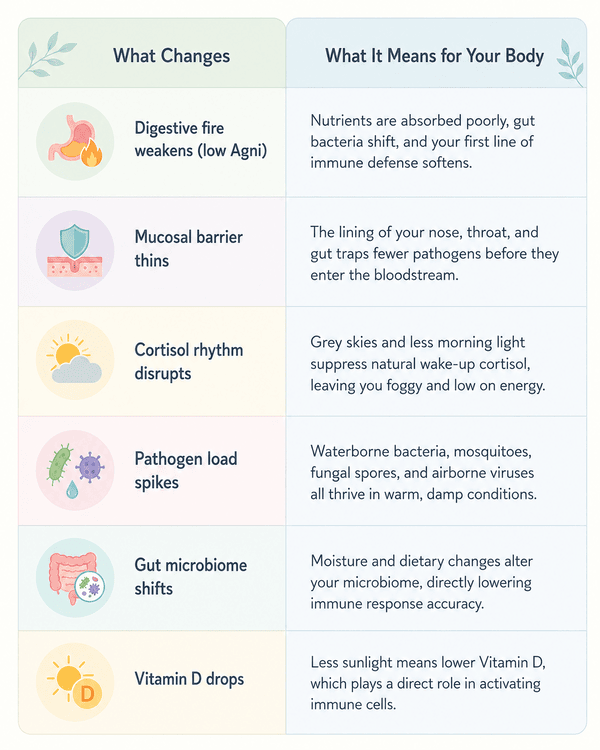
The Six Pillars: Your Monsoon Framework
At Team Luke, all protocols are built on six foundational pillars. During the monsoon, every single pillar is under pressure simultaneously. Address all six, and your immune system does not just survive the season, it gets stronger through it.

Pillar 1: Cellular Nutrition for Monsoon
Eating right during the monsoon is less about exotic superfoods and more about eating seasonally, warmly, and simply. Your digestive system is working harder to maintain heat in a damp environment. Give it a break.
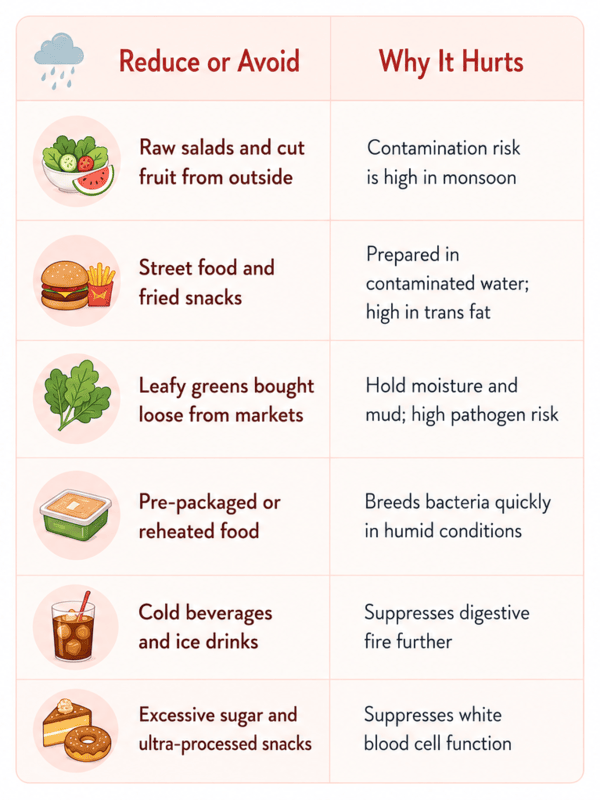
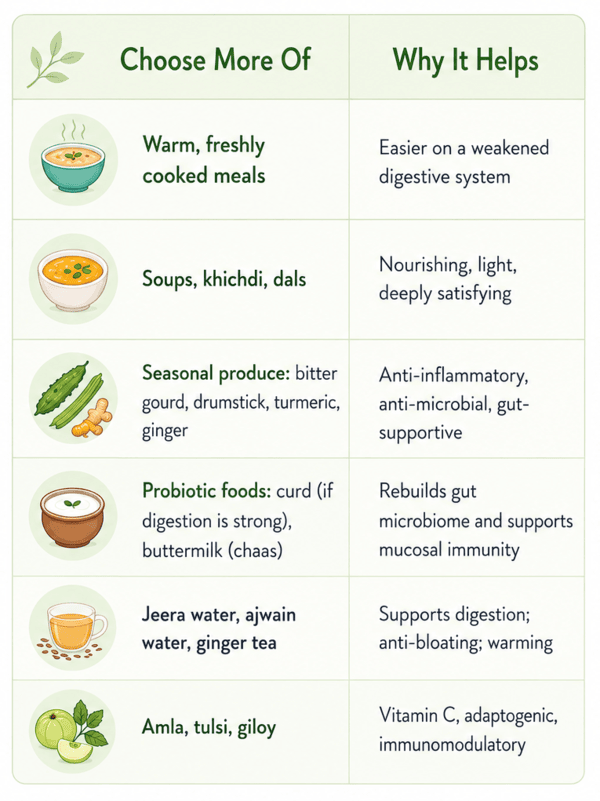
Seasonal Foods to Prioritize
| Food | Key Benefit | Best Way to Have It |
| Turmeric | Anti-inflammatory; activates immune cells | Golden milk, added to dals and sabzis |
| Ginger | Anti-microbial; digestive support; warming | Fresh ginger tea, kadha, or grated in food |
| Tulsi (Holy Basil) | Adaptogenic; respiratory support; anti-viral properties | Tulsi tea, kadha, or 4 to 5 leaves daily |
| Giloy | Immunomodulatory; fever-supportive; Ayurvedic classic | Giloy kadha or juice, 30 ml in the morning |
| Amla (Indian Gooseberry) | Highest natural Vitamin C; antioxidant-rich | Raw, amla candy, amla juice, or chyawanprash |
| Bitter Gourd (Karela) | Blood sugar support; anti-microbial; monsoon-specific | Sabzi, juice, or lightly stir-fried |
| Drumstick (Moringa) | Iron, Vitamin C, Vitamin A; immune and bone support | Added to sambar, soups, or dal |
| Pumpkin Seeds | Zinc, immunity-supporting mineral; anti-parasitic | Raw, lightly roasted as a snack |
| Ghee | Fat-soluble vitamin absorption; gut lining support | Added to dals, khichdi, or warm meals |
Disclaimer: These are general nutrition guidelines and not a substitute for medical treatment. Always consult your healthcare provider before adding anything new, especially if you are on medication or have a health condition.
Pillar 2: Movement for Monsoon Immunity
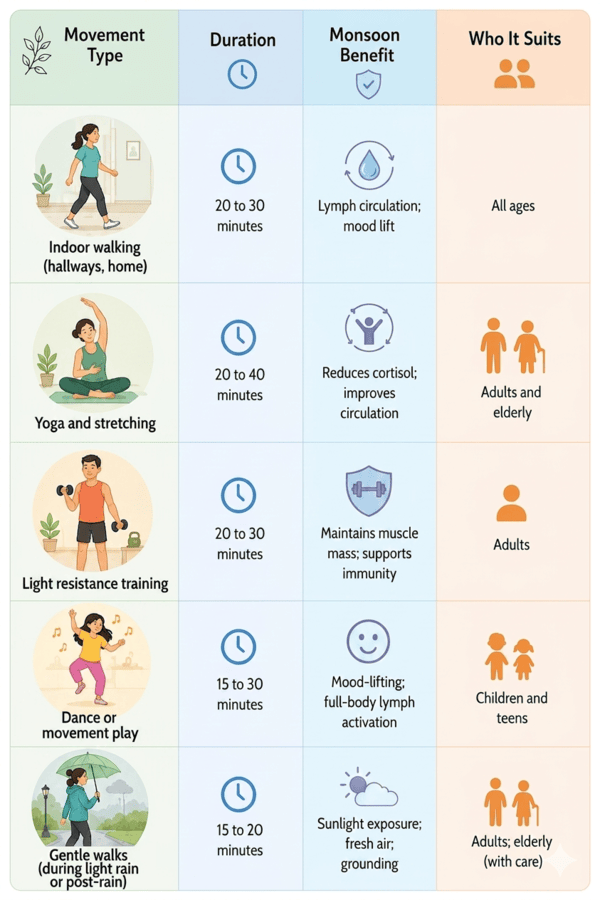
Physical movement is one of the most underrated immunity tools during the monsoon. Your lymphatic system, the body’s internal drainage and immune network, has no pump of its own. Muscle contraction during movement is what keeps it circulating.

Image Credits: Magnific
When you stay sedentary through rainy days, lymph stagnates, toxin clearance slows, and immune response becomes sluggish.
Tip: Avoid exercising in wet, cold conditions if you are already coming down with something. Rest is movement for a body fighting an infection.
Pillar 3: Quality Sleep in the Rainy Season
Sleep is where your immune system does its most important repair work. Cytokine production, natural killer cell regeneration, and memory T-cell formation all happen during deep sleep. Disrupted sleep means a compromised immune response the very next day.
The monsoon creates a specific cortisol trap. Grey mornings suppress your natural wake-up cortisol spike, which leads to fatigue, poor sleep architecture at night, and a weakened immune response the next morning. It becomes a cycle.
Monsoon Sleep Checklist
| Habit | What to Do | What to Avoid |
| Morning light | Step outside or sit near a window for 10 to 15 minutes each morning, even on cloudy days | Skipping light exposure because it looks grey; bright artificial light is not a substitute |
| Sleep timing | Aim for the same bed and wake time every day, including weekends | Sleeping in late on rainy weekends; it disrupts your circadian rhythm for days |
| Evening wind-down | Dim lights 60 to 90 minutes before bed; warm herbal tea; no screens | Stimulating content before bed; cold beverages; heavy meals after 8 PM |
| Sleep environment | Keep the room dry; use a dehumidifier if humid; keep bedding clean and aired | Damp pillows or bedding; sleeping with wet hair |
| Herbal sleep support | Ashwagandha, chamomile tea, or a warm glass of turmeric milk before bed | Over-the-counter sleep pills without medical guidance |
Pillar 4: Emotional Wellness in the Monsoon
This is the pillar most people skip. But research is clear: chronic emotional stress directly suppresses secretory Immunoglobulin A (IgA), reduces natural killer cell activity, and increases inflammatory cytokines. Emotional health is not separate from immune health. It is part of it.
Common Monsoon Emotional Pattern | Why It Happens | What Helps |
|---|---|---|
| Low mood and sluggishness | Reduced sunlight and serotonin; damp air; less social activity | Morning light ritual; movement; connecting with people you love |
| Emotional eating | Comfort-seeking in cold, grey weather; boredom; loneliness | Mindful eating; warm nourishing meals; journaling what you truly need |
| Anxiety and overthinking | Reduced activity, more time alone, unpredictability of weather disrupting routines | Structured daily routine; breathing practices; limiting doom-scrolling |
| Irritability and low patience | Poor sleep quality; cortisol dysregulation; foggy energy | Sleep hygiene; pranayama; digital boundaries |
A short journaling practice, a daily gratitude moment, or even a 10-minute conversation with someone you trust can shift your immune system more than any supplement.
Want to get started? 👉 Try Luke’s 101 guide on starting an affirmation journal.
Pillar 5: Spirit and Purpose
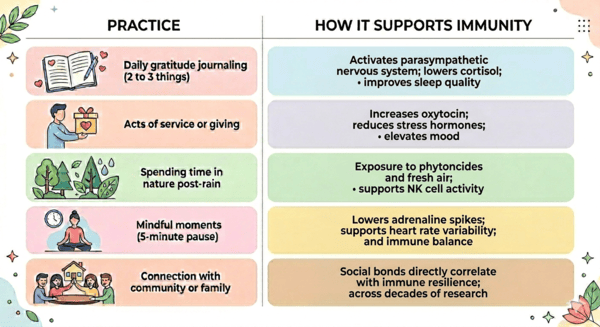
States of purpose, meaning, gratitude, and genuine connection have been shown in research to measurably increase natural killer cell activity and reduce inflammatory cytokines. This is not philosophy. It is measurable biology.
The monsoon has a way of pulling people inward. Used wisely, this is a gift. Used passively, it becomes isolation.
Pillar 6: Breathwork for Improved Immunity
Breath is the most accessible and most underused tool in your wellness kit. It costs nothing, requires no equipment, and is available to you every single moment of the day.

Image Credits: Magnific
During the monsoon specifically, breathwork supports respiratory health. The lungs face increased load from fungal spores, damp air, and airborne pathogens. Regular pranayama strengthens the respiratory mucosa, improves lung capacity, and supports the body’s ability to filter and process what it is breathing in.
Breathwork Practices for the Monsoon Season
Practice | How to Do It | Duration | Primary Benefit |
| ▶ Anulom Vilom (Alternate Nostril Breathing) | Close the right nostril, inhale through the left. Close left, exhale through right. Reverse. This is one cycle. | 10 to 15 minutes daily | Balances nervous system; improves lung function; reduces cortisol and anxiety |
| ▶ Bhramari (Humming Bee Breath) | Inhale deeply. On the exhale, close ears with thumbs, hum gently until the breath is fully released. | 5 to 7 rounds | Activates vagus nerve; lowers blood pressure; supports parasympathetic tone |
| ▶ Deep Belly Breathing | Place one hand on your belly. Inhale slowly through the nose, letting the belly rise first, then the chest. Exhale fully. | 5 minutes, 2 to 3 times daily | Stimulates lymphatic pump; oxygenates blood; resets stress response |
| ▶ Kapalbhati | Seated comfortably, take a passive inhale and a sharp, forceful exhale through the nose, contracting the abdomen. Begin slowly. | 3 to 5 minutes | Clears respiratory passages; energizes; supports digestive function |
| ▶ 4-7-8 Breathing | Inhale for 4 counts. Hold for 7. Exhale slowly for 8. | 4 cycles before bed | Calms the nervous system; supports sleep onset; lowers evening cortisol |
Smart Medical Guidance
This is about knowing when to lean on a professional, having your basics tested, and not guessing when your body is asking for real help.
Monsoon Diseases: Know What You’re Dealing With
| Condition | Transmission | Early Signs | Prevention Priority |
| Dengue | Aedes mosquito bite | High fever, severe joint and eye pain, rash | No stagnant water; repellents; full-sleeve clothing |
| Malaria | Anopheles mosquito bite | Cyclical fever, chills, sweating | Mosquito nets, repellents; eliminate breeding grounds |
| Typhoid | Contaminated food or water | Sustained fever, weakness, abdominal pain | Boiled or filtered water; avoid outside food |
| Leptospirosis | Contact with contaminated water or soil | Fever, muscle pain, red eyes | Avoid wading through stagnant flood water |
| Hepatitis A and E | Contaminated food and water | Jaundice, nausea, dark urine, fatigue | Hygiene; boiled water; home-cooked meals only |
| Fungal infections | Moisture on skin; damp clothing | Itching, redness, rash in skin folds | Keep skin dry; change wet clothes quickly |
| Common cold and flu | Airborne droplets; surface contact | Runny nose, sore throat, fatigue | Hand hygiene; avoid crowding; immune support |
Key Tests to Consider Each Monsoon Season
Test | Why It Matters in Monsoon |
| Vitamin D levels | Drops significantly due to reduced sunlight; directly impacts immune cell activation |
| Vitamin B12 | Deficiency often masked by fatigue; disrupts nerve and immune cell function |
| CBC (Complete Blood Count) | Baseline immune health; flags anemia, low platelet counts, and infection markers |
| Blood sugar (fasting) | High blood sugar suppresses immune response significantly |
| Thyroid panel (TSH) | Thyroid dysfunction mimics monsoon fatigue; important to rule out |
Monsoon Skincare Guide
Your skin is an immune organ.
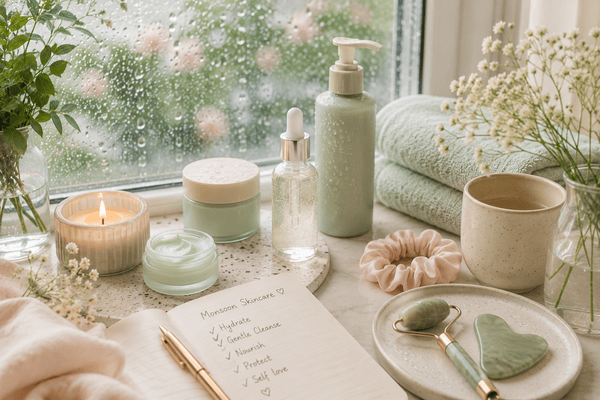
The rainy season stresses it differently. Humidity, sweat, rain, and reduced sunlight create a perfect storm for breakouts, fungal flares, clogged pores, and hyperpigmentation. Your skin in monsoon needs less product, not more, and a few very intentional choices.
Why Skin Acts Up in Monsoon
- Excess Sebum: Humidity triggers oil glands to overproduce, causing breakouts and congestion
- Fungal Flares: Warm damp skin creates ideal conditions for tinea and pityrosporum folliculitis
- Pore Congestion: Sweat, humidity, and pollution mix on skin surface, clogging pores
- Hyperpigmentation: Post-rain inflammation and scratching worsen dark spots, especially on dark skin tones
- Product Buildup: Heavy moisturizers and sunscreens feel suffocating; skin struggles to breathe Dehydration: Surprisingly, humid weather still dehydrates skin when barrier function is compromised
Monsoon Skin Routine: Keep It Light
| Step | What to Use | What to Avoid |
| Cleanse (2x daily) | Gentle gel or foam cleanser; neem or salicylic acid-based if acne-prone | Harsh scrubs, over-cleansing more than twice, alcohol-based washes |
| Tone | Rose water, neem water, or diluted apple cider vinegar toner | Alcohol-based toners that strip the skin barrier |
| Moisturize | Lightweight gel moisturizer; hyaluronic acid-based serum | Heavy creams, occlusive butters, rich oils on the face |
| Sunscreen | Lightweight SPF 30-50, water-resistant, gel or fluid formula | Skipping sunscreen — UV damage continues even on cloudy days |
| Spot care | Tea tree oil (diluted), neem paste, salicylic acid spot gel | Popping pimples, which worsens pigmentation and scarring |
| Mask (1-2x week) | Multani mitti, neem powder, or kaolin clay mask to control oil | Heavy hydrating masks on oily zones; bentonite left on too long |
Kitchen Remedies for Skin
- Raw honey + neem paste: anti-microbial face mask
- Turmeric + curd: brightening, anti-inflammatory pack
- Aloe vera gel: cooling, lightweight, healing Rose water mist throughout the day
- Besan (chickpea flour) + milk: gentle exfoliating cleanser
- Coconut oil (body only, not face): anti-fungal barrier
Body Skin in Monsoon
- Shower after getting wet in rain; don’t air-dry in wet clothes
- Dry skin fold areas completely: underarms, neck, behind knees
- Use antifungal powder in skin folds if prone to rashes
- Apply neem or coconut oil on body before stepping out
- Wear breathable cotton; avoid synthetic fabrics in humidity
- Check for ringworm, tinea, or heat rash early
Disclaimer: The skincare remedies and tips shared here are intended for educational and informational purposes only. Always perform a patch test before trying any new ingredient or remedy. If you have a pre-existing skin condition, allergies, severe acne, eczema, fungal infections, or any other dermatological concern, consult a qualified healthcare professional or dermatologist before making changes to your skincare routine. The information provided is not intended to diagnose, treat, cure, or prevent any disease.
Monsoon Haircare Guide
Monsoon is the season most people report hair fall, dandruff, scalp itch, and frizz.

These are not random. They are a direct response to excess moisture on the scalp, disrupted scalp microbiome, and nutrient gaps that become visible under seasonal stress.
Why Hair Suffers in Monsoon
Problem | Root Cause | What Actually Helps |
| Hair fall | Scalp humidity disrupts pH; nutrient deficiencies (iron, zinc, B12) show up seasonally | Scalp massage with oil; protein-rich diet; test iron and B12 |
| Dandruff | Malassezia fungus thrives in warm, damp scalp conditions | Antifungal shampoo (ketoconazole or zinc pyrithione); neem oil; keep scalp dry |
| Scalp itch | Sweat, rain residue, and product buildup inflaming the scalp | Scalp cleanse 2-3x per week; diluted tea tree oil; avoid scratching |
| Frizz | Hair cuticle swells in humidity, lifting and roughening the surface | Leave-in conditioner; anti-frizz serum with argan or almond oil; microfiber towel |
| Greasy roots | Humidity overstimulates sebaceous glands near the scalp | Dry shampoo on off-wash days; lightweight scalp toner; avoid heavy oils on roots |
| Breakage | Wet hair is weakest; handling aggressively after rain or shower causes snapping | Wide-tooth comb on damp hair; do not brush wet; sleep on satin pillowcase |
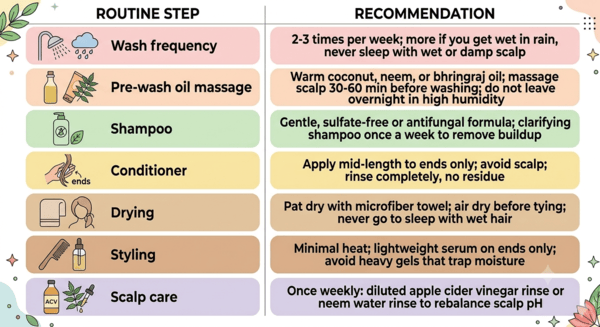
Monsoon Hair Care Routine
Nutrition Is Your Best Hair Product
- Internal nutrition matters more than any topical product: iron, zinc, biotin, Vitamin C, and protein are what build strong hair from the root
- Include eggs, lentils, pumpkin seeds, amla, and sesame seeds daily for scalp and hair health
- Stress and sleep deprivation during monsoon accelerate hair fall; address the root cause, not just the symptom
- If hair fall is heavy (100+ strands daily) and persistent beyond 4 weeks, test ferritin, Vitamin D, B12, and thyroid before adding supplements
For more natural, simple, and wallet-friendly monsoon remedies, try these:
10 Monsoon Scrubs & Masks: Kitchen Skin & Hair Care
Monsoon Recipes and Concoctions
These recipes are rooted in traditional Indian wellness wisdom, aligned with Team Luke’s approach to natural immunity support using ingredients already in your kitchen.
Disclaimer: These are general wellness recipes and not a substitute for medical treatment. Always consult your healthcare provider before adding anything new, especially if you are on medication or have a health condition.
Age-Specific Monsoon Guidance

Children (Ages 2 to 12)
Children are especially vulnerable during the monsoon because their immune systems are still developing, and they are less likely to follow hygiene protocols consistently.
| Area | What to Do | Watch Out For |
| Hydration | Warm water, herbal teas with honey (not for under 2 years), soups | Cold drinks, unfiltered water, sugary juices |
| Food | Freshly cooked meals; seasonal vegetables in dals; amla in any form | Street food, roadside snacks, cut fruits from outside |
| Hygiene | Handwashing before meals and after school; clean water only | Sharing water bottles, towels, or utensils |
| Sleep | Consistent bedtime, even on rainy weekends; 9 to 11 hours for school-age | Irregular screen time leading to late nights |
| Movement | Indoor play, yoga for kids, dance, breathing games | Full sedentary days in front of screens |
| Immunity Support | Tulsi tea, turmeric in warm milk, chyawanprash (age-appropriate dose) | Self-medicating with adult supplements |
Adults (Ages 18 to 60)
| Area | Focus for Monsoon |
| Nutrition | Warm, seasonal meals; avoid skipping meals; moderate portions to ease digestion |
| Work-life rhythm | Protect sleep schedule despite grey mornings; 7 to 8 hours minimum |
| Stress management | Monsoon increases emotional eating and anxiety; build a daily 10-minute grounding practice |
| Hydration | At least 2 to 2.5 liters of warm or room-temperature water; include herbal teas |
| Supplements (only as needed) | Vitamin D, zinc, and Vitamin C after blood tests; not guesswork-based |
| Medical check-ins | Do not ignore persistent fever (over 2 days), unusual fatigue, or skin infections |
Elderly (Ages 60+)
Older adults face a compounded risk during the monsoon: weakened immune response, slower recovery, higher risk of falls on wet surfaces, and faster dehydration even without obvious thirst.
Area | Specific Guidance for Elderly |
| Hydration | Elderly often do not feel thirsty; set reminders for water; warm soups and herbal teas count |
| Food texture | Soft, well-cooked, easy-to-chew meals; avoid fibrous raw vegetables; khichdi is ideal |
| Fall prevention | Non-slip mats at entrances and bathrooms; avoid going out immediately after rain without non-slip footwear |
| Medication management | Many monsoon infections interact with common elderly medications; check with your doctor before adding any new supplement |
| Skin and foot care | Inspect feet daily; dry between toes; prevent fungal infections which can escalate in diabetic elderly |
| Mental health | Social isolation increases in elderly during monsoon; prioritize phone calls, video calls, or in-person visits |
| Emergency readiness | Have a list of emergency contacts, nearby clinic, and basic first aid at home |
Quick Monsoon Wellness Hacks
| Hack | Why It Works |
| Keep a dry towel at the entrance for wet feet | Prevents fungal infections from moisture between toes |
| Change wet clothes within 30 minutes | Damp fabric is a breeding ground for fungal and bacterial skin infections |
| Cook with ajwain and jeera in every meal | Natural carminatives; prevent bloating common in monsoon |
| Sip warm water throughout the day instead of cold | Supports digestive fire and mucosal lining |
| Boil all drinking water or use a certified filter | Monsoon water has highest contamination load of the year |
| Keep indoor plants away from standing water | Stagnant water breeds mosquitoes |
| Use mosquito nets and repellents after 5 PM | Dengue mosquitoes peak at dawn and dusk |
| Air out mattresses and pillows on sunny days | Prevents mold and dust mite buildup in damp weather |
| Apply coconut or neem oil to skin before going out in rain | Creates a light antimicrobial barrier on skin |
| Include garlic in at least one meal a day | Allicin in garlic is one of nature’s most potent antimicrobial compounds |
Monsoon Wellness: Dos and Don’ts
| Do This | Avoid This |
| Drink boiled or filtered water only | Drinking tap water or water from unknown sources |
| Eat warm, freshly prepared home-cooked meals | Street food, cut fruit from outside, and pre-packaged ready meals |
| Wash hands before every meal and after outdoor contact | Touching face, mouth, or eyes after being outdoors without washing hands |
| Wear light, quick-dry fabrics and closed-toe footwear | Walking barefoot through puddles or waterlogged streets |
| Keep your home dry and well-ventilated | Leaving damp towels, wet shoes, or damp laundry indoors |
| Prioritize sleep; maintain your usual wake time even on cloudy days | Sleeping in or staying up late because of grey weather |
| Move every day, even indoors for 20 to 30 minutes | Skipping physical activity for days at a stretch |
| Check for stagnant water around your home weekly | Ignoring flower pots, coolers, or clogged drains as mosquito sources |
| See a doctor if fever persists beyond 2 days | Self-treating fever with over-the-counter medication without diagnosis |
| Stay emotionally connected with friends, family, and community | Social isolation during the gloomy season |
Final Note from Team Luke
True seasonal immunity is not about one drink, one supplement, or one week of discipline. It is about making your baseline so strong that the monsoon becomes a season you enjoy rather than one you survive.
Start with one pillar. Then build into the next. Sleep better tonight. Move tomorrow morning. Cook one warm meal this week. The compound effect of small, consistent choices is the only immunity formula that truly works.
Disclaimer: This guide is meant for general education and lifestyle guidance only, not as medical advice or a substitute for professional consultation. Individual needs vary based on health conditions, medications, and environment, so consult a qualified healthcare provider, especially if you have any chronic health conditions.
Visit us at: www.lukecoutinho.com
Toll-free: 1800 102 0253
Email: [email protected]
With Gratitude,
Team Luke