No products in the cart.
One of our posts on garden cress seeds, also known as halim or aliv seeds, brought in so many thoughtful questions. And honestly, that is the best part of our community. You are not just consuming information; you are thinking about how it applies to your own body, your conditions, and your loved ones.
Below, we are answering every single question that came in, with context, with nuance, and with the science behind it. Let’s get into it.
1. Can I consume garden cress seeds if I have a fibroid?
This is a great question because it gets to the heart of how we should think about food and hormones.
Garden cress seeds contain phytoestrogens, plant compounds that can have a mild estrogen-like effect in the body. Fibroids are generally considered estrogen-sensitive, which is why many fibroid-focused resources recommend caution with phytoestrogen-containing foods such as soy and flaxseed . At the same time, some research suggests phytoestrogens can also have antiestrogenic effects in certain tissues, and the relationship between phytoestrogens and fibroid growth is genuinely debated rather than settled. [1, 2]
Because the science is not fully conclusive, our suggestion is to be cautious rather than dismissive. If you have fibroids, especially if they are hormone-responsive or growing, it is best to consult with your gynecologist so it can be looked at in the context of your full health picture.
2. Can we take garden cress seeds with beet juice?
Yes, this combination works well for most people.
Beetroot is rich in nitrates, folate, and antioxidants and is often used to support stamina and circulation. Garden cress seeds bring their own iron, protein, and fiber to the table. Combining an iron source with a vitamin C rich food, like amla or citrus, can actually improve the absorption of the non-heme iron found in plant foods(7), which makes this a thoughtful pairing for someone working on building hemoglobin or supporting energy levels.
The only thing to keep in mind is portion size. Start with a small amount, around half a teaspoon to one teaspoon of soaked seeds, and see how your body responds before making it a daily habit.
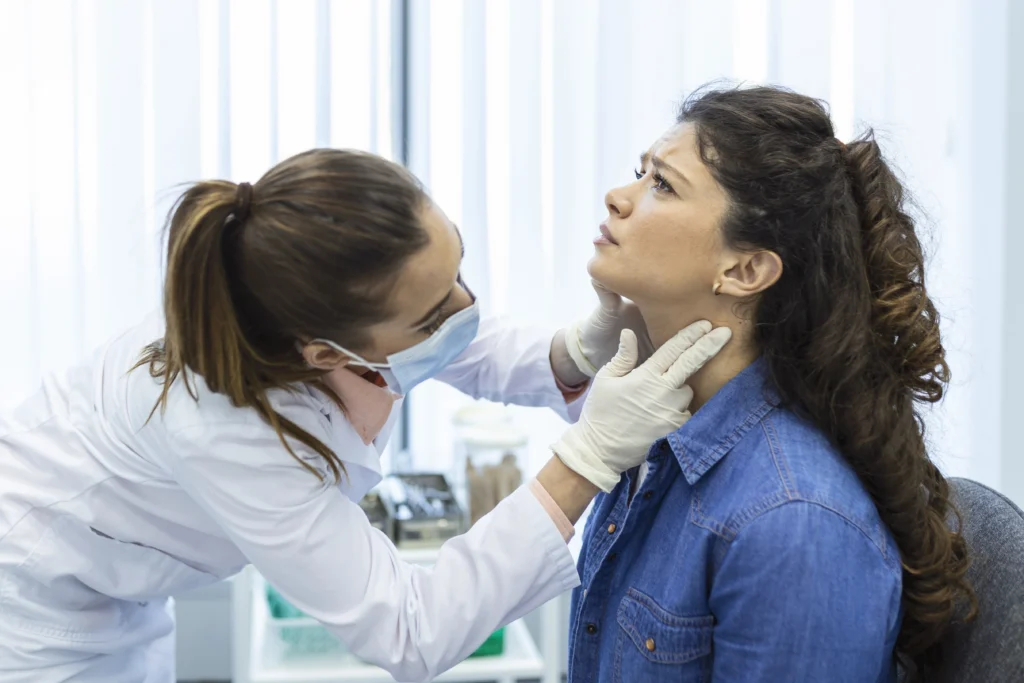
3. Garden cress seeds contain goitrogens. What should someone with hypothyroidism do?
Source: Freepik
This is one of the most important questions, and we are glad it came up.
Yes, garden cress seeds do contain goitrogenic compounds, glucosinolates, which can interfere with the thyroid’s ability to take up iodine and may reduce thyroid hormone production. Animal research on Lepidium sativum extract has also shown a measurable thyroid inhibitory effect. In someone who already has an underactive thyroid, adding to this burden is not ideal. [1,8]
Here is the practical approach we recommend:
- If you have hypothyroidism, especially if it is not well controlled, limit garden cress seeds rather than consuming them daily in large amounts.
- Cooking, roasting, or processing the seeds before eating can help reduce some of the anti-nutritional compounds compared to eating them completely raw.
- Make sure your overall diet has adequate iodine from sources like iodized salt or seafood, if appropriate for you.
- If you are on thyroid medication, do not take garden cress seeds at the same time as your medication. Leave a gap of a few hours so medication absorption is not affected.
- Most importantly, this is a conversation to have with your endocrinologist, especially if your thyroid levels are not stable.
A food being goitrogenic does not automatically mean it is forbidden. It means it needs to be used thoughtfully, in the context of your overall thyroid health and diet. [1,8]
4. Is it safe to give garden cress seeds to kids?
In general, yes, garden cress seeds can be given to children in small amounts, and they are traditionally added to milk, porridge, and laddoos in many households to support iron levels in growing kids.
A few points to keep in mind:
- Start with very small quantities, think a quarter teaspoon to half a teaspoon of soaked seeds, mixed into milk, porridge, or a laddoo.
- Make sure the seeds are well soaked first. Soaking softens the seeds and forms a gel-like coating, which makes them easier to digest and safer to swallow.
- If your child has any thyroid condition, the same goitrogen caution from question 3 applies, and you should check with your pediatrician.
- Watch for any allergic reaction the first time you introduce them, as you would with any new food.
As a general rule, anything new introduced to a child’s diet should be done gradually and in small amounts, and garden cress seeds are no exception. Also, keep your pediatrician informed.[2]
5. Does it increase serum iron?
Garden cress seeds are genuinely one of the richer plant sources of iron, which is one of the main reasons they have been used traditionally to support women’s health, especially around menstrual cycles, postpartum recovery, and fatigue linked to low iron. A single tablespoon of the seeds can contribute a meaningful amount of iron toward daily needs.
That said, the iron in plant foods, known as non-heme iron, is not absorbed as efficiently as the iron from animal sources. To get the most benefit:
- Pair garden cress seeds with a source of vitamin C, like lemon juice, amla, or orange segments, since vitamin C significantly improves the absorption of non-heme iron.
- Be consistent rather than occasional. A small amount regularly, alongside a varied diet, will do more for your iron levels than a large amount once in a while.
If you have a diagnosed iron deficiency, garden cress seeds can be a helpful addition, but they should support, not replace, any treatment plan your doctor has given you. Always retest your iron levels periodically rather than assuming a food alone has fixed the issue. [7]
6. Do we need to eat this on an empty stomach, even if soaked? What about raw seeds? And do we need to chew the soaked seeds, or can we gulp them?
Let’s break this into parts because there is a lot to unpack in this question.
Garden cress seeds do not have to be eaten strictly on an empty stomach. Many people prefer this approach simply out of habit, because it is easier to remember a morning ritual. But there is nothing in the research that says you must take it first thing in the morning for it to work. You can have it with breakfast, blended into a smoothie, or mixed into your evening snack. What matters more is consistency and the overall quality of your diet. [1,2]
We always recommend soaking garden cress seeds before eating them, rather than consuming them raw and dry. When soaked, the seeds absorb water and develop a gel-like outer coating, similar to chia or basil seeds. This makes them gentler on digestion and reduces the risk of the dry seeds absorbing moisture in your gut and causing discomfort or bloating. Soaking for a few hours, or even overnight, is ideal.
Ideally, chew them. Chewing helps break down the seed’s outer layer and signals your digestive system to prepare for the food ahead, which is the first step of good digestion for any food.
That said, if the taste or texture is genuinely difficult for you, gulping the soaked seeds with water is not harmful. The gel-like coating that forms after soaking already makes them softer and easier to swallow, and they will still move through your digestive tract and be broken down to some extent. It is simply not the most efficient way to extract every bit of nutrition from them.
A practical tip: try blending the soaked seeds into a smoothie with fruit, milk, or plant-based milk. This masks the taste and texture completely while still giving you the benefits. [3]
7. Is garden cress seed high in histamine?
Based on current research, garden cress seeds are not classified as a high-histamine food. A review of histamine and biogenic amine content across non-fermented plant foods found that significant histamine levels were mainly limited to a small group of foods, namely eggplant, spinach, tomato, and avocado, and garden cress does not feature on the commonly used high-histamine food lists.
If you have histamine intolerance, garden cress seeds are unlikely to be a major trigger for most people. However, every individual’s tolerance is different, and if you are someone who reacts to even small amounts of certain foods, we always suggest introducing anything new in a small quantity first and observing how your body responds over the next day or two. [4]
8. Can someone with thalassemia minor consume these seeds?
This question needs a bit of extra care. Anyone with thalassemia minor should discuss this specifically with their hematologist before making garden cress seeds a regular part of their diet.
Here is why. People with thalassemia, including the minor or trait form, are generally advised to be mindful of their iron intake because their bodies can be more prone to iron buildup over time, and dietary guidelines for thalassemia commonly recommend limiting high-iron foods unless a deficiency has been confirmed. Garden cress seeds are notably high in iron. For someone with thalassemia minor, adding a concentrated iron-rich food on top of an existing diet, without knowing your current iron status, could potentially contribute to higher iron levels than needed.
The safest approach?
- Get your iron studies, including serum ferritin, checked before making this a regular habit.
- Have a conversation with your doctor about whether additional dietary iron is appropriate for your specific case.
- If your doctor gives the go ahead, small occasional amounts are likely fine, but this should be individualized rather than a blanket recommendation. [1,6]
9. Can a CKD patient have this?
This is an important one, and we want to be very clear here.
Garden cress seeds contain a notable amount of oxalates, reported at around 33 to 134 mg per 100 g depending on the study , as well as potassium . For someone with chronic kidney disease, both of these need to be carefully managed, because the kidneys’ ability to filter and excrete these substances is reduced. The National Kidney Foundation notes that people with a history of calcium oxalate kidney stones should talk to their doctor or kidney dietitian about limiting high-oxalate foods and that potassium intake from nuts and seeds may need to be monitored depending on lab results and stage of kidney disease .
Because of this, we do not recommend that CKD patients add garden cress seeds to their diet without first checking with their nephrologist or renal dietitian. Every CKD patient’s dietary restrictions are different depending on the stage of kidney disease, current potassium and phosphorus levels, and other medications, so what might be fine for one person could be a problem for another. [1,5]
👉10 Signs Your Body Is Asking You to Support Its Kidney Function
10. How about taking it in the second trimester of pregnancy?
This is another area where caution is warranted, and we would lean towards a conservative approach.
Garden cress seeds have traditionally been described as an abortifacient when consumed in excess, with sources advising that pregnant women avoid them in any form because of their potential to induce uterine contractions. Separately, research has also pointed to effects on reproductive hormones, including increases in luteinizing hormone alongside reduced thyroid hormone levels, with potential downstream effects on pregnancy outcomes such as birth weight and pregnancy duration. While much of this research is based on animal studies rather than large human trials, the caution around pregnancy is consistently echoed across both traditional and modern sources.
Given this, even in the second trimester, we would recommend avoiding garden cress seeds unless your obstetrician specifically clears them for you. There are plenty of other iron-rich and nutrient-dense foods that do not carry this same uncertainty during pregnancy, so it is simply not worth the risk when safer alternatives exist. [3]
A Quick Recap
Garden cress seeds are a nutrient-dense, traditional food with real benefits, particularly for iron levels, digestion, and hormonal balance in the right context. But like every food, they are not a one-size-fits-all solution. Your individual health conditions, medications, and life stage all matter.
If you take away one thing from this post, let it be this: food is powerful, and that power works both ways. The same compounds that can help one person may need extra caution in another. When in doubt, start small, observe your body, and loop in your doctor, especially if you are managing a thyroid condition, kidney disease, or a blood disorder or are pregnant.
Keep the questions coming. This is exactly the kind of curiosity that leads to better health choices.
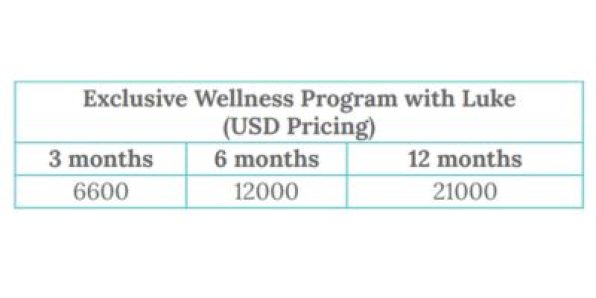
If you’re navigating thyroid conditions, anemia, digestive issues, hormonal concerns, or chronic health challenges, our Wellness Program can help you create a personalized, sustainable approach to health.
Write to us: [email protected]
Call: 1800 102 0253
References
[1] Azene M, Habte K, Tkuwab H. Nutritional, Health Benefits and Toxicity of Underutilized Garden Cress Seeds and Its Functional Food Products: A Review. Food Production, Processing and Nutrition. 2022;4:33.
[2] Tufail T, et al. Garden Cress Seeds: A Review on Nutritional Composition, Therapeutic Potential and Industrial Utilization. Food Science & Nutrition. 2024.
[3] Gokavi SS, Malleshi NG, Guo M. The Potential of Garden Cress (Lepidium sativum L.) Seeds for Development of Functional Foods. IntechOpen.
[4] Sánchez-Pérez S, et al. Biogenic Amines in Plant-Origin Foods: Are They Frequently Underestimated in Low-Histamine Diets? Foods. 2018;7(12):205.
[5] National Kidney Foundation. Nutrition Guidance for Kidney Disease, Potassium Management and Kidney Stone Prevention.
[6] UCSF Northern California Comprehensive Thalassemia Center. Nutrition Guidelines for Non-Transfused Thalassemia Patients.
[7] World Health Organization. Guidance on Iron Nutrition and Iron Deficiency Prevention.
[8] Chandra AK, et al. Goitrogenic Content of Indian Cyanogenic Plant Foods and Their In Vitro Anti-Thyroidal Activity. Indian Journal of Medical Research.
Disclaimer
The information shared in this article is intended for educational purposes only and should not be considered medical advice, diagnosis, or treatment. Individual health needs vary, and the suitability of any food, supplement, or dietary practice depends on your age, medical history, medications, and overall health status. If you are pregnant, breastfeeding, managing a medical condition, or taking medication, please consult your healthcare provider before making significant changes to your diet or wellness routine.