No products in the cart.
“Am I eating the right foods during pregnancy?”
“Is my baby getting enough nutrition?”
“When should I start solids?”
“What if my toddler refuses to eat?”
If you’re a parent, caregiver, or expecting mother, chances are these questions have crossed your mind, usually late at night, often accompanied by self-doubt.

Image Credits: Freepik
Let’s start by saying this clearly and calmly:
Your child doesn’t need perfection. They need alignment.
Alignment with nature.
Alignment with their growing body.
Alignment with how nutrition is meant to support development, not control it.
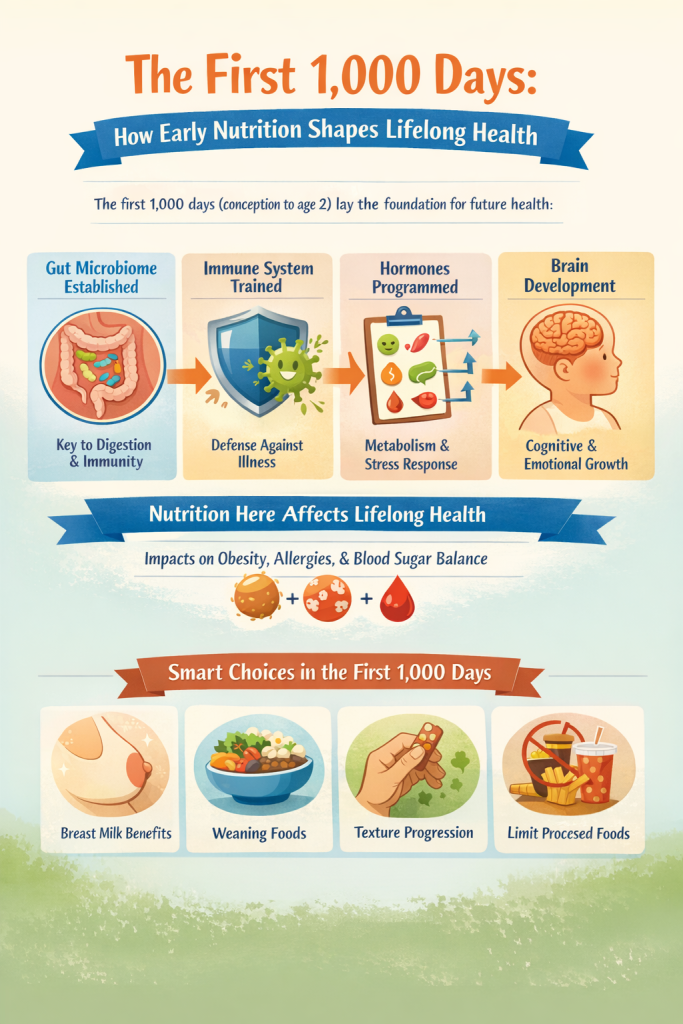
From conception to a child’s second birthday lies a critical window known as the first 1,000 days of nutrition.
During this phase, food doesn’t just help a child grow; it quietly programs immunity, gut health, metabolism, brain development, and even food preferences later in life. This is why nutrition in newborns and early infants matters far more than we often realize.
- This guide is not about raising a ‘superfood baby’ or following rigid newborn nutrition guidelines. It’s about simplicity, rhythm, and respecting biology.
- We’ll also walk through nutrition from newborn to toddler: Understanding breast milk benefits, choosing nourishing weaning foods for infants, and navigating toddler food behavior with confidence.
This is not a rulebook. It’s a framework, rooted in biology, guided by awareness, and built for real life.
Nutrition Begins Before the First Bite (Yes, Even Before Birth)
One of the biggest myths around early-life nutrition is that it starts when a baby is born.
In reality, nutrition begins much earlier, even before the first cry, the first feed, or the first spoon.
During pregnancy, the fetus is not passively ‘fed.’ It is actively receiving signals that shape how its organs, hormones, immune system, and metabolism will function for life.
How the Fetus Actually Receives Nutrition
The placenta is not just a pipe that delivers calories. It is a highly intelligent organ that:
- Filters nutrients
- Regulates hormone exposure
- Selectively transports amino acids, fatty acids, minerals, and glucose
- Influences how genes related to metabolism and immunity are expressed
This process is known as fetal programming, and it explains why nutrition during pregnancy has lifelong effects, even if a child eats ‘well’ later.
Here are 6 must-have nutrients for expecting mothers.
Studies show that maternal nutrition influences:
- The baby’s gut microbiome, even before birth
- Immune tolerance, affecting allergy risk
- Insulin sensitivity, influencing future metabolic health
- Taste exposure, as flavors from the mother’s nutrition pass into the amniotic fluid
(Source: Spill M, Callahan E, Johns K, et al. Influence of Maternal Diet on Flavor Transfer to Amniotic Fluid and Breast Milk and Children’s Responses: A Systematic Review [Internet]. Alexandria (VA): USDA Nutrition Evidence Systematic Review; 2019 Apr.)
This means a child is already being introduced to real food flavors long before we think about nutrition in newborns or infants’ nutrition.
Developmental Stages: What Nutrition Builds at Each Phase
Understanding what is developing helps parents focus on what matters most, instead of everything at once.
| Pregnancy Stage | Key Developmental Processes | Critical Nutrients Needed | Why They Matter |
| First Trimester | Organ formation, neural tube development, hormonal signaling | Iron, folate, iodine, choline | Support early brain formation, prevent neural tube defects, and regulate thyroid-driven growth |
| Second Trimester | Rapid brain growth, skeletal development, muscle tissue formation | High-quality protein, calcium, omega-3 fats | Build strong bones and muscles, support expanding brain structure and cognitive development |
| Third Trimester | Fat accumulation, brain wiring, immune system preparation | DHA, iron, zinc, adequate energy intake | Enable final brain maturation, strengthen immunity, and prepare the baby for life outside the womb |
This is why undernutrition, extreme dieting, or nutrient gaps during pregnancy are associated with higher risks of health conditions.
Again, this is not about fear. It’s about biological timing.
Why the First 1,000 Days of Nutrition Are Critical
The reason global health bodies focus so intensely on the nutrition 1000 days window is simple:
This is when the body is most adaptable, and most vulnerable.
AI-generated image
Nutrition in a Newborn (0–6 Months): Trusting Biology
The first six months of life are not a phase for nutritional experimentation. They are a phase of biological precision. Human infants are born with:
- An immature digestive system
- A developing immune system
- A brain growing faster than it ever will again
This is why global nutrition science uses human milk as the reference standard for infant growth, body composition, and immune development.
Even infant formulas are designed to replicate human milk, not the other way around.
Breast Milk Benefits for Infants (Without Guilt)
Breast milk provides more than nutrition; it provides biological instruction.
Key Benefits of Breast Milk:
- Antibodies (sIgA) that protect against respiratory and gut infections
- Microbiome seeding that influences allergy and immune tolerance later
- DHA (Docosahexaenoic acid) and ARA (Arachidonic acid) supporting brain and nervous system development
- Hormonal signaling that supports appetite regulation and emotional security
- Mother–infant bonding, which plays a role in stress regulation
Through the entero-mammary immune pathway, a mother’s immune system responds to her environment and passes that protection directly to the baby. This is why breastfed infants, across populations, show:
- Fewer infections
- Lower hospitalization rates
- Better immune resilience
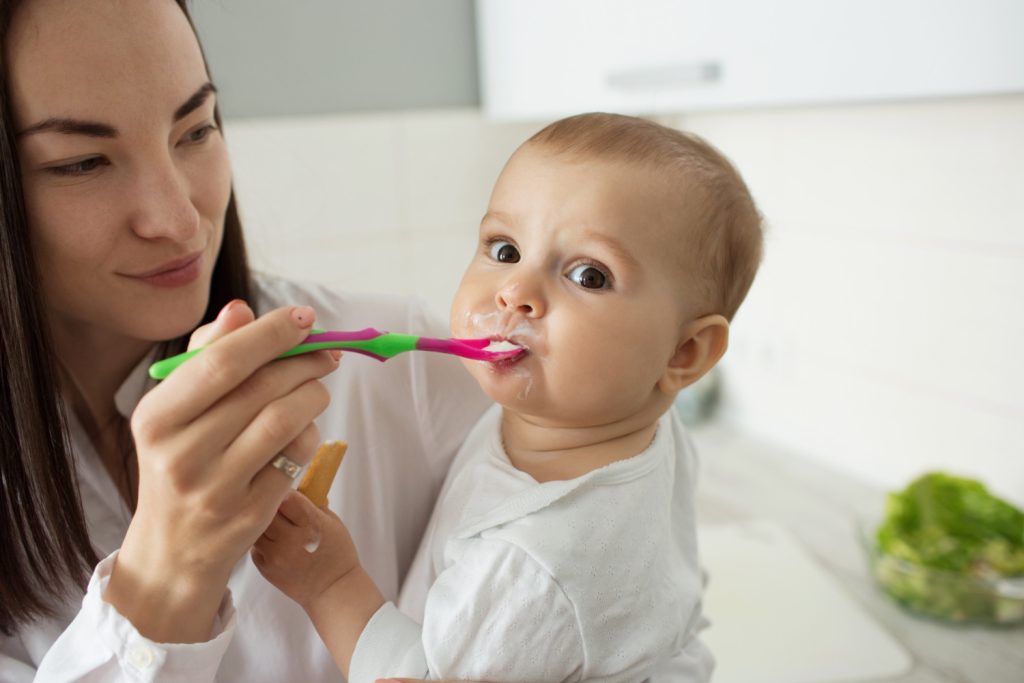
Image Credits: Freepik
Formula Feeding: Context, Not Comparison
When breast milk is unavailable or insufficient:
- Iron-fortified infant formula is appropriate
- It supports normal growth and development
- It is designed using the human milk model
However, formulas:
- Do not adapt in real time
- Do not contain living immune components
- Do not actively shape the microbiome the way breast milk does
This is why breastfeeding is encouraged wherever possible; even partial breastfeeding matters.
Human Milk vs Formula: The Science, Simplified
Human milk is a living, adaptive biological system.
Formula is a nutritionally adequate substitute when breast milk is unavailable, but it is not biologically equivalent.
| Nutrient | Human Breast Milk | Infant Formula |
| Protein | Whey-dominant (≈70% whey, 30% casein) → easy digestion, faster gastric emptying, immune-active proteins like lactoferrin, lysozyme, sIgA | Higher casein content (especially cow’s milk–based formulas); proteins modified to improve digestibility but lack immune proteins |
| Protein Quality | α-lactalbumin-rich (human-specific); supports gut and immune development | Based on bovine proteins; β-lactoglobulin absent in human milk and linked to milk allergy |
| Fat | ~50% of calories; contains DHA & ARA naturally; unique fat globule structure improves absorption | Vegetable oil blends + added DHA/ARA; lacks natural fat globule membrane |
| Omega-3 & Omega-6 | Naturally balanced DHA & ARA → brain, retinal, nervous system development | Added later to formulas after research confirmed importance |
| Carbohydrates | Lactose + human milk oligosaccharides (HMOs) that feed gut bacteria and train immunity | Lactose present; HMOs absent or synthetically added in limited forms |
| Gut Microbiome | Actively seeds beneficial bacteria; reduces infections and inflammation | Supports growth but does not actively train microbiome |
| Minerals (Calcium, Phosphorus) | Lower quantity but higher bioavailability → similar bone mineralisation | Higher quantity to compensate for lower absorption |
| Iron | Low content but well absorbed; stores sufficient until ~6 months | Iron-fortified to meet needs |
| Vitamins | Naturally present; Vitamin D & K require supplementation | Fortified to meet standard requirements |
| Immunity | Living immune factors adapt to mother’s environment | No living immune components |
Infant Nutrition After 6 Months — The Weaning Window
Weaning is often misunderstood as ‘starting solids.’
In reality, it is training the gut, brain, and immune system to work with food.
From a biological perspective, the 6–12 month window is when:
- The gut barrier is maturing
- Digestive enzymes are increasing
- Oral motor skills are developing
- Immune tolerance to foods is being established
This is why global guidelines agree on one point:
- Solids begin after 6 months, not because milk stops working, but because the gut is finally ready to learn.
- Milk (breast milk or formula) remains the primary calorie source during this period.
Solids complement, not replace, milk.
Signs a Baby Is Ready for Solids (Not the Calendar)
Instead of focusing only on age, look for developmental readiness:
| Readiness Signal | Why It Matters |
| Sitting with support | Indicates trunk and neck control for safe swallowing |
| Loss of tongue-thrust reflex | Prevents pushing food out |
| Interest in food | Neurological readiness |
| Ability to bring food to mouth | Beginning of self-regulation |
Starting solids before these signs increases the risk of:
- Poor digestion
- Gagging
- Feeding aversion
Why Iron Becomes the Priority Nutrient After 6 Months
By around 6 months:
- Iron stores from birth begin to deplete
- Breast milk is low in iron (but highly bioavailable)
- Rapid brain and motor development increases iron demand
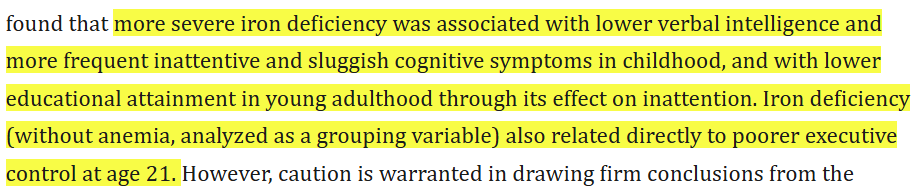
Research links iron deficiency in infancy to:
- Delayed cognitive development
- Impaired attention and motor skills
- Long-term learning challenges
Source: East P, Doom JR, Blanco E, Burrows R, Lozoff B, Gahagan S. Iron deficiency in infancy and neurocognitive and educational outcomes in young adulthood. Dev Psychol. 2021 Jun;57(6):962-975. doi: 10.1037/dev0001030. PMID: 34424013; PMCID: PMC8386013.
This is why iron-rich complementary foods are essential during weaning.
Best Weaning Foods for Infants
Parents should focus on real foods that match digestive maturity, not convenience.
| Food Group | Why It Works |
| Soft cooked vegetables | Fibre, micronutrients, gut-friendly |
| Lentils & dals | Iron + protein; easy to digest when well cooked |
| Stewed fruits | Gentle carbohydrates, antioxidants |
| Ghee (small amounts) | Supports fat-soluble vitamin absorption |
| Soaked & well-cooked grains | Reduces phytates, improves mineral absorption |
Disclaimer: This information is intended for general educational purposes only. Individual infants may have different needs, allergies, or medical conditions. Always consult your pediatrician or a qualified healthcare professional before introducing new foods or making significant changes to your baby’s nutritional habits.
Avoid:
- Sugar
- Salt
- Packaged baby foods
- Fruit juices
Ultra-processed baby foods may meet calorie needs, but they disrupt taste training and gut signaling.
Texture Progression: Why “How” Matters as Much as “What”
One of the most overlooked aspects of infant nutrition is texture progression.
| Age Range | Texture | Developmental Benefit |
| 6 months | Smooth purées | Safe swallowing |
| 7–8 months | Mashed / thick textures | Tongue movement |
| 8–9 months | Lumpy foods | Chewing coordination |
| 9–12 months | Finger foods | Jaw strength, self-feeding |
Delayed texture introduction is associated with:
- Feeding difficulties
- Poor chewing skills
- Speech articulation challenges later
Chewing stimulates:
- Jaw and facial muscle development
- Saliva and digestive enzyme release
- Brain-mouth coordination
Preventing Choking (Without Fear)
Chewing and swallowing mature up to 8 years of age, so safety matters.
Practical Guidelines
- Always seat the baby upright
- Supervise every meal
- Avoid hard, round foods (nuts, popcorn, raw carrots)
- Modify risky foods (grapes quartered, cheese shredded)
- Avoid eating in cars or with screens
Weaning isn’t about how much your baby eats. It’s about what their gut, brain, and immune system are learning.
Learn more in our blog: Expert’s advice on weaning a baby

Image Credits: Freepik
Nutrition for Toddlers (1–3 Years): When Appetite Slows but Learning Explodes
Many parents panic during toddlerhood because something seems to ‘break.’ The child who once ate everything suddenly:
- Eats two bites and stops
- Refuses vegetables
- Wants the same food repeatedly
This isn’t nutritional failure. It’s normal developmental biology.
Between 1 and 3 years:
- Growth rate slows significantly
- Appetite naturally decreases
- Brain development shifts from growth to learning, independence, and control
Toddlers gain only 2-3 kg per year during this phase, far less than in infancy, so their energy needs appear erratic day to day.
What Actually Matters Now
At this stage, nutrition is less about hitting targets and more about building a predictable structure. The real goals of toddler nutrition:
- Preserve appetite self-regulation
- Build taste tolerance
- Strengthen gut-brain signaling
- Establish a family eating rhythm
Force-feeding, chasing bites, or negotiating food may increase calorie intake short-term, but it disrupts hunger cues and increases picky eating long-term.
A Simple Toddler Plate
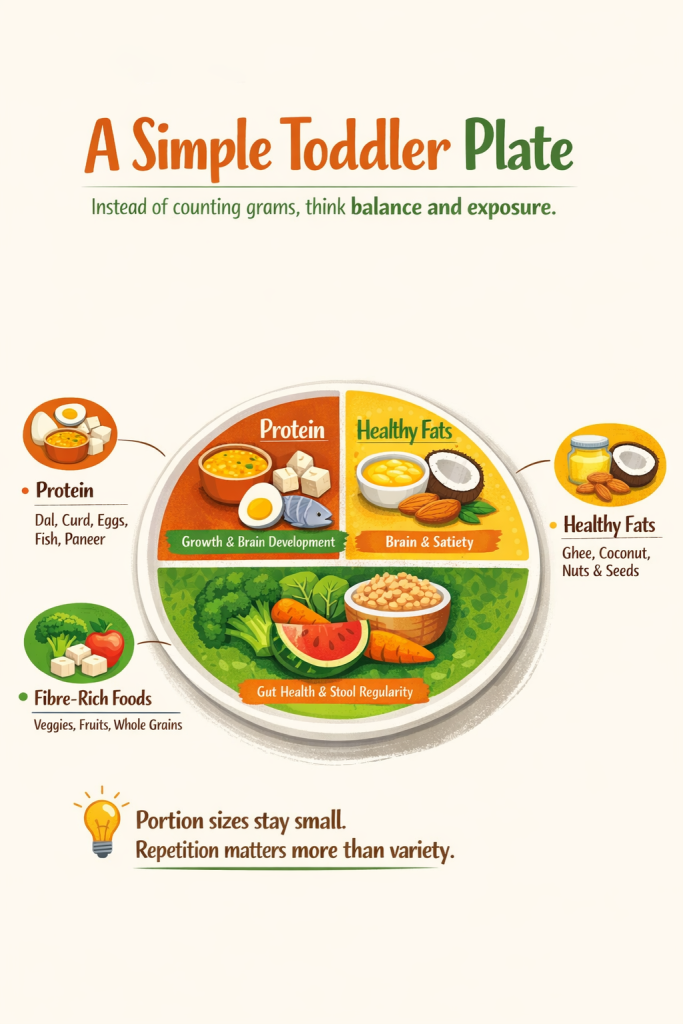
AI-generate image
Disclaimer: This guide is for general educational purposes. Toddlers have individual needs; always check with your pediatrician before making dietary changes.
For more nutrition ideas: Download Our FREE Immunity Cookbook For Kids Here
Understanding Picky Eating (Without Panic)
- Food refusal peaks between 18 and 24 months
- New foods may require 8–10 calm exposures
- Appetite fluctuations are normal
Common toddler behaviors:
- Touching food but not eating
Smelling, licking, spitting
Food ‘jags’ (same food for days)
All of these are learning behaviors, not defiance.
What to Avoid (More Important Than What to Add)
| Habit | Why It Backfires |
| Screen-based feeding | Disrupts hunger cues, overeating risk |
| Force-feeding | Increases resistance and anxiety |
| Negotiating bites | Turns food into control |
If a food needs a cartoon to convince a child, it probably doesn’t belong on their plate.
Avoiding Processed Foods in Early Childhood (Education Without Fear)
Early childhood is when taste wiring happens.
- Repeated exposure to ultra-processed foods:
- Raises preference for sugar, salt, and fat
- Alters dopamine reward pathways
- Disrupts gut microbiome diversity
This doesn’t mean ‘never.’ It means not normalizing.
How Ultra-Processed Foods Affect Toddlers
| Impact Area | What Science Shows |
| Taste preferences | Reduced acceptance of real foods |
| Cravings | Increased dopamine-driven eating |
| Gut health | Lower microbial diversity |
| Behavior | Energy spikes followed by crashes |
Common Hidden Sources Parents Miss
- ‘Healthy’ baby snacks
- Flavored cereals and porridge mixes
- Packaged toddler meals
- Sweetened dairy products
These foods are often marketed as ‘nutritionally fortified,’ but fortification does not undo processing.
Reading Labels: A Simple Rule
- More than 5-6 ingredients → question it
- Sugar, maltodextrin, glucose, syrup → avoid
- Ingredients you wouldn’t cook with → rethink
Here’s a kid’s guide to decode food labels, you need to watch:
How Much Should My Child Eat? (The Question That Worries Every Parent)
This is one of the most common — and emotionally loaded — questions we hear as a team. And here’s what we want to say upfront, with clarity and reassurance:
There is no fixed quantity your child ‘should’ eat at every meal.
Children are born with the ability to regulate their intake when adults don’t override it.
Signs Your Child Is Eating Enough
If your child doesn’t finish meals, eats differently every day, or suddenly ‘loses appetite,’ pause and check this list before worrying.
Physical, Appetite & Behavioral Indicators
| Area | What to Look For |
Physical & Growth Signs | Steady growth along their own growth curve |
| Active, playful, and alert through the day | |
| Good muscle tone and age-appropriate stamina | |
| Clear eyes, healthy skin, and nails | |
| Regular bowel movements (not necessarily daily) | |
Hunger & Fullness Awareness | Comes to meals willingly (even if intake varies) |
| Stops eating on their own without distress | |
| Turns head away, slows down, or plays with food when full | |
| Asks for food at other times | |
Behavioral & Emotional Indicators | No fear or anxiety around mealtimes |
| Touches, smells, or explores food | |
| Eats better without pressure or distraction | |
| Appetite increases after active days or growth spurts |
What Doesn’t Indicate a Problem
| Common Parent Worry | What It Usually Means |
| Skipping a meal occasionally | Normal appetite variation |
| Eating very little one day and more the next | Energy intake balances over time |
| Preferring the same foods for a phase | Developmentally typical food “jags” |
| Eating less during illness, teething, or heat | Temporary physiological response |
What Not to Do (Even With Good Intentions)
To protect your child’s long-term relationship with food, avoid:
- Distracted feeding (screens, toys, constant entertainment
- ‘One more bite’ bargaining
- Comparing portions with siblings, cousins, or other children
Building a Healthy Relationship with Food (This Is the Real Goal)
At Team Luke, we believe nutrition in the first 1,000 days, and beyond, is not just about nutrients. It’s about safety, trust, and emotional regulation around food.
Let’s Reframe the Goal
We are not trying to raise children who:
- Finish every meal
- Eat ‘perfectly’
- Follow food trends
We are trying to raise children who:
- Trust their hunger and fullness
- Feel safe at the table
- Carry healthy habits into adulthood
What Truly Shapes Lifelong Eating Habits
- No ‘good food/bad food’ language: Moralizing food creates guilt and secrecy. Neutral language builds trust.
- Family meals matter: Children learn how to eat by watching, not being instructed.
- Children mirror behavior: Calm eating > perfect food choices.
- Safety at the table: No pressure. No threats. No rewards.
- Autonomy: Being allowed to decide how much to eat builds confidence.
- Repeated neutral exposure: Children may need 10–15 exposures to a food before acceptance. Rejection today does not mean rejection forever.
When nutrition is rooted in trust, not trends, children develop resilience, not fear.

Image Credits: Freepik
The Last Word
Start with trust, not trends.
Healthy eating in early childhood is building foundations, not chasing perfection.
Every small, consistent choice today shapes your child’s growth, immunity, and lifelong relationship with food.
Frequently Asked Questions
Why are the first 1,000 days essential for nutrition?
The nutrition 1000 days window, from conception to age two, shapes immunity, brain development, metabolism, and lifelong eating habits. During this phase, infant nutrition acts as preventive healthcare. Small, consistent choices during early development have a far greater impact than corrective measures later in life.
What is the best nutrition for a newborn baby?
According to newborn nutrition guidelines, breast milk is the gold standard for nutrition in newborns, providing ideal nutrients, immune protection, and gut support. When breast milk isn’t available, iron-fortified infant formula supports normal growth. The focus should always be biological suitability, not feeding trends.
What are the benefits of breast milk for infants?
Breast milk supports infants’ nutrition by providing antibodies, healthy fats like DHA, gut-shaping oligosaccharides, and appetite-regulating hormones. Its benefits go beyond calories—supporting immunity, brain development, and emotional security. Even partial breastfeeding during early nutrition stages contributes to long-term health resilience.
When should weaning foods be introduced?
Weaning foods should be introduced around six months, when developmental readiness signs appear, not just based on age. At this stage, nutrition in newborn transitions to complementary feeding, while milk remains primary. Proper timing during the nutrition 1000 days window supports gut maturity, immune tolerance, and iron needs.
What foods should toddlers avoid?
Toddlers should avoid ultra-processed foods, added sugar, excess salt, fruit juices, and packaged snacks. These disrupt appetite regulation, gut health, and taste development. During infants’ nutrition and early childhood, repeated exposure to real foods supports healthier preferences far more than convenience-driven toddler products.
Disclaimer: This blog is for educational and informational purposes only and is not a substitute for professional medical advice, diagnosis, or treatment. Always seek the advice of your physician or qualified healthcare provider with any questions you may have regarding a medical condition.
If you’re worried about your child’s growth, appetite, or eating habits, don’t wait.
Set up a one-on-one consultation with our team or explore our Balanced Nutrition for Children Program to optimize your child’s health.
Reach out to us at 1800 102 0253 or write to us at [email protected].