No products in the cart.
Have you ever noticed how your body holds on to stress, long after the moment has passed? A tight jaw, shallow breath, a heaviness in your chest — even when the crisis is over, your system might still be caught in the loop. This is something we see across the board, whether in people managing chronic illness or just navigating everyday overwhelm.
One technique gaining attention worldwide for this very reason is Emotional Freedom Technique tapping, or EFT. It’s a simple practice that involves tapping specific points on the body while acknowledging and releasing emotional patterns — often described as acupuncture but without the needles.
Now, to be clear, we don’t use EFT in our protocols at Team Luke, but we believe in education, especially when so many are curious about mind-body tools for emotional wellness.
With stress and stimulation at an all-time high, it’s no surprise that more people are turning to gentle, self-led methods like tapping to feel calm, grounded, and in better touch with themselves — not just mentally, but energetically too.
What Is EFT Tapping? Understanding the Basics
Emotional Freedom Technique tapping (EFT) is a self-help practice that brings together elements of psychology and traditional Chinese medicine. It involves gently tapping on specific energy meridian points on the face and upper body — areas also used in acupuncture — while simultaneously voicing a thought, belief, or feeling that needs release.
This technique was developed in the 1990s by Gary Craig, a Stanford-trained engineer who believed that unresolved emotional distress was at the root of many physical and mental imbalances.
What makes EFT tapping so appealing is its simplicity. There are no tools required. You use your own fingers to stimulate the body’s energy points — often while repeating statements that honour your current state, like “Even though I feel anxious, I deeply and completely accept myself.”
It may sound unusual at first, but for many, this rhythmic tapping becomes a safe, grounding way to process emotion and support calm — anywhere, anytime. In over a decade of serving clients across a multitude of health conditions, Deepika Rathod, Chief Nutrition Officer, Head Nutritionist, and Lifestyle Expert at Team Luke, has noted a remarkable difference that EFT can make to support better health.
“I’ve seen Emotional Freedom Technique (EFT) tapping work wonders, especially for clients dealing with stress, anxiety, bloating, heaviness, or other gut-related concerns. EFT combines acupressure with elements of cognitive therapy. By gently tapping on specific meridian points—like the side of the hand, eyebrows, side of the eye, under the eye, under the nose, chin, and collarbone—while focusing on a specific emotional issue, we help calm the nervous system and release deep-rooted blocks.
Over time, clients report reduced anxiety, better sleep, less brain fog, and improved digestion. EFT also supports emotional awareness and has shown promising results in cases like postpartum anxiety and stress eating. When combined with breathwork and a balanced lifestyle, even a simple tap becomes a step toward transformation.”
- Deepika Rathod, Chief Nutrition Officer, Head Nutritionist, and Lifestyle Expert at Team Luke
Why Tapping Feels So Familiar: The Body Already Knows
Long before learning about Emotional Freedom Technique tapping, many people instinctively use touch as a form of comfort.
Think about it: How often do you find yourself tapping your fingers when anxious, rubbing your temples when overwhelmed, or even pacing while thinking? These are not random habits — they’re forms of somatic self-regulation. The body often reaches for physical gestures to discharge tension, even when the mind isn’t fully aware of it.
And there’s something universally reassuring about a gentle pat on the back — not just in childhood, but even as adults. It isn’t just symbolic encouragement; it’s a tactile signal of presence, safety, and grounding. Physical touch activates the parasympathetic nervous system, helping calm the body’s stress response.
EFT Tapping builds on this innate wisdom. By intentionally tapping on specific EFT points while voicing emotions, we give our nervous system a language it already understands — not just through words, but through touch.

Image by Freepik
The Science Behind Tapping
Like many mind-body practices, emotional freedom technique tapping began with anecdotal success. But over the past two decades, it has steadily found its way into academic journals and clinical trials—especially in the fields of stress, trauma, and mental health.
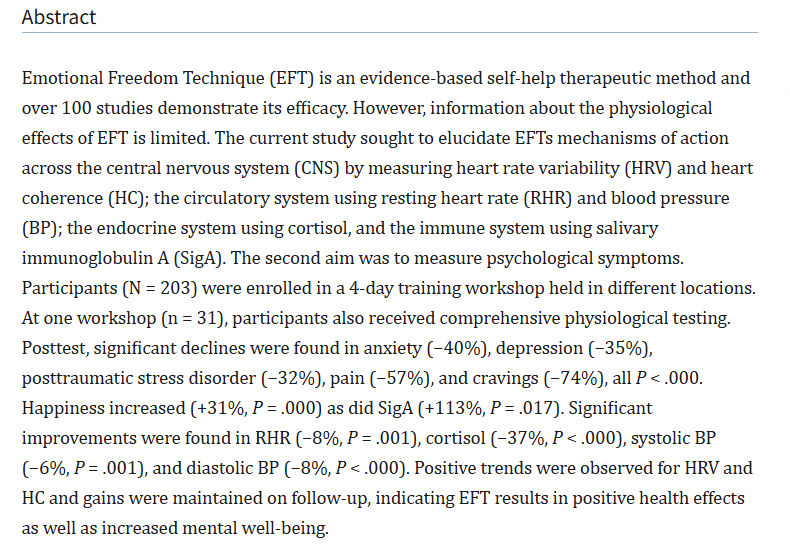
Early studies have shown that one of the key benefits of EFT tapping is its potential to lower cortisol, the body’s primary stress hormone. A well-cited study published in the Journal of Nervous and Mental Disease found that a single session of EFT significantly reduced cortisol levels and improved psychological symptoms in participants dealing with anxiety and depression.
Other research suggests that tapping may positively influence heart rate variability, a marker of nervous system resilience, and help reduce symptoms of Post-traumatic Stress Disorder (PTSD), phobias, and even emotional eating. While it’s not yet a staple in every doctor’s toolkit, EFT continues to gain attention from psychotherapists, veterans’ support groups, and trauma recovery practitioners alike.
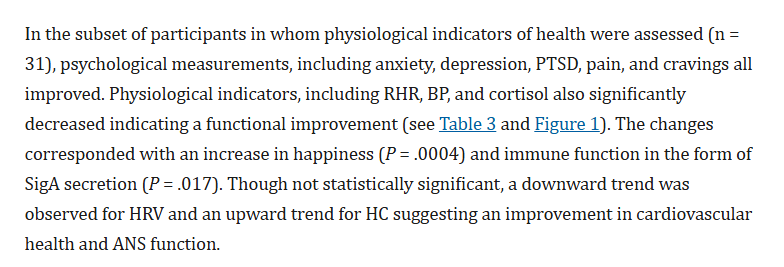
Source: Bach, D., Groesbeck, G., Stapleton, P., Sims, R., Blickheuser, K., & Church, D. (2019). Clinical EFT (Emotional Freedom Techniques) Improves Multiple Physiological Markers of Health. Journal of Evidence-Based Integrative Medicine, 24, 2515690X18823691. https://doi.org/10.1177/2515690X18823691
The science is still emerging, but the results so far are promising. For those looking for gentle, non-invasive tools to support emotional regulation, EFT tapping may be worth exploring, especially as part of a broader lifestyle approach to healing.
The Benefits of EFT Tapping: What It May Support
While still being explored in clinical and therapeutic circles, the benefits of EFT tapping are often reported across emotional, physical, and mental domains. For many, it’s a simple practice that helps shift how stress shows up in the body—and how we respond to it.
Emotional Benefits
- Helps calm stress and anxiety in the moment
- Reduces emotional overwhelm during triggering situations
- May support trauma release and integration under professional guidance
- Offers comfort during periods of grief, heartbreak, or emotional transition
- Encourages emotional regulation when facing recurring patterns or inner conflict
Physical Benefits
- May ease stress-related symptoms like tension headaches, fatigue, or digestive issues
- Supports better sleep, energy, and parasympathetic activation
- Can help interrupt the fight-or-flight loop in moments of panic or reactivity
Mental Benefits
- Helps reduce limiting beliefs and repetitive negative thought loops
- Creates space for clarity, calm, and mindful decision-making
- Strengthens emotional resilience over time through regular use
Disclaimer: EFT tapping isn’t a replacement for therapy, medical advice, or emergency care. It’s a supportive self-help tool, best explored with common sense, mindfulness, and—where needed—the guidance of a qualified practitioner. Always listen to your body and seek help if any discomfort arises.
Image by Freepik
How It Works: From Energy Disruption to Nervous System Reset
Think of tapping exercises as emotional first aid — simple enough to try at home, yet profound in their effect on the nervous system.
EFT is based on the idea that unresolved emotional distress creates disruptions in the body’s energy system. By tapping gently on specific acupressure points — the same ones used in acupuncture — the body receives a physical signal of safety. This calming input, especially near the head, chest, and hands, is believed to down-regulate the amygdala, the brain’s alarm system.
But the touch alone isn’t the full story. What makes EFT different is the pairing of physical stimulation with honest emotional acknowledgment. When you voice a fear, worry, or limiting belief while tapping, you’re not only expressing it — you’re also teaching your brain and body a new way to respond to it.
For many people, this dual-action method helps shift the stress response from fight-or-flight to a more grounded state. It’s a non-invasive, low-effort tool that some use in moments of anxiety, overwhelm, or emotional discomfort — like hitting a reset button for the mind and body.
Emerging research also suggests that this combination of intentional touch and emotional expression may stimulate the vagus nerve — the body’s main brake pedal for stress. When practiced alongside slow, diaphragmatic breathing, tapping can help activate the parasympathetic nervous system, shifting the body from survival mode into a state of rest, digestion, and repair.
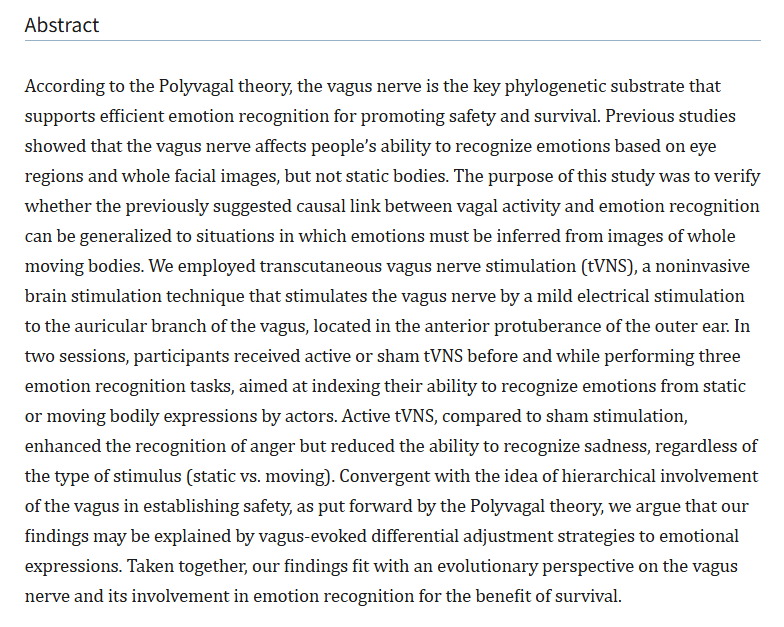
Source: Steenbergen, L., Maraver, M. J., Actis-Grosso, R., Ricciardelli, P., & Colzato, L. S. (2021). Recognizing emotions in bodies: Vagus nerve stimulation enhances recognition of anger while impairing sadness. Cognitive, Affective & Behavioral Neuroscience, 21(6), 1246. https://doi.org/10.3758/s13415-021-00928-3
In that sense, tapping becomes more than just a technique — it’s a signal. A message to the body that it’s safe, supported, and ready to reset.
Source: Bach, D., Groesbeck, G., Stapleton, P., Sims, R., Blickheuser, K., & Church, D. (2019). Clinical EFT (Emotional Freedom Techniques) Improves Multiple Physiological Markers of Health. Journal of Evidence-Based Integrative Medicine, 24, 2515690X18823691. https://doi.org/10.1177/2515690X18823691
The EFT Points: Where to Tap and Why It Matters
EFT tapping uses a sequence of nine key points on the body, often referred to as EFT points, to help shift emotional energy and calm the nervous system. These spots align with traditional Chinese medicine meridians — pathways believed to carry life energy or qi.
Here are the main EFT points commonly used in a tapping round:
- Karate Chop (Side of Hand): Used at the beginning to set the intention or affirmation.
- Top of the Head: Linked to overall energy balance and clarity.
- Eyebrow: Tension, fear, and trauma.
- Side of the Eye: Anger and resentment.
- Under Eye: Worry, anxiety, and self-doubt.
- Under the Nose: Shame and embarrassment.
- Chin: Confusion or guilt.
- Collarbone: Stress and overwhelm.
- Underarm: Insecurity and vulnerability.
Each of these EFT points can trigger subtle emotional shifts when tapped gently while focusing on a specific thought or feeling. Many people find that even just going through the sequence helps create a sense of calm, grounding, and clarity — especially during moments of emotional build-up.
Step-by-Step: How to Use EFT Tapping in a Simple Routine
If you’ve ever wondered how to use EFT tapping in your daily life, here’s a gentle framework that many find grounding and effective. It’s not about doing it ‘perfectly’—it’s about being present with what you’re feeling and offering yourself space to shift.
Follow these steps to begin:
- Identify the issue or emotion.
This could be anything from anxiety and fear to anger or overwhelm. Be as specific as you can. - Rate the intensity on a scale of 0 to 10.
This gives you a simple way to track emotional shifts after tapping. - Create your set-up phrase.
A common one is: “Even though I feel anxious about tomorrow’s meeting, I deeply and completely accept myself.” You’ll repeat this while tapping the Karate Chop point on the side of your hand. - Start the tapping sequence.
Tap each of the nine EFT points 5–7 times, using short reminder phrases like “this anxiety,” or “this tightness in my chest.” Say what feels most honest in the moment. - Take a breath and re-rate the intensity.
Notice any shift. If needed, repeat the cycle with a new phrase or deeper layer of the emotion.
These tapping exercises don’t need to be long or dramatic to work. A few minutes can be enough to bring regulation, clarity, or release—especially when practiced with honesty and compassion.
“What makes EFT powerful is intention and consistency. I guide clients to create affirmations like: ‘Even though I feel anxious, I deeply accept myself’ or ‘Even though I feel overwhelmed by anxiety and gut discomfort, I choose calm and healing.’ These prompts are repeated three times, followed by tapping each point 5–7 times.”
- Deepika Rathod, Chief Nutrition Officer, Head Nutritionist, and Lifestyle Expert at Team Luke
What If I Cry, Laugh, or Feel Angry?
Sometimes, tapping can bring up unexpected emotions — tears, giggles, irritation, or even physical shifts like yawning or sighing. This is completely normal. It’s your body’s way of releasing stored energy and emotion.
You don’t need to analyze it. Just stay present, breathe through it, and allow it to pass naturally.
Your job isn’t to control the feeling — only to witness and move through it with kindness.
Optional Closing Round (Positive Reframe)
Tap again with gentle affirmations:
- “I will figure everything out when the time is right.”
- “I’m safe to breathe and take this one moment at a time.”
- “My body knows how to settle.”
- “I’m allowed to feel calm.”
Tapping isn’t about forcing peace — it’s about allowing space.
Let this practice be your permission slip to pause and reconnect with yourself — honestly, softly, and without judgment.

Image by Freepik
When to Use It: Everyday Moments You Can Tap Through
Like deep breathing or a short walk, tapping exercises can become part of your emotional first-aid kit—quiet moments where you pause and re-center.
You can try it:
- Before a big moment — a presentation, interview, or tough conversation
- After receiving unexpected or difficult news
- In the middle of a craving, anxiety wave, or mental spiral
- As a wind-down ritual before bed
- To create space between trigger and reaction, tapping becomes the pause before the response
These aren’t major life overhauls. They’re small, mindful interventions that help you meet your day with a steadier nervous system.
Who Should Try EFT — And When to Proceed Mindfully
The emotional freedom technique tapping is safe for most people looking for a gentle, body-based tool for daily stress or emotional regulation.
It may be helpful for those with:
- Emotional eating or reactive food patterns
- Chronic stress or overwhelm
- Fatigue that feels emotional, not just physical
- Restless thoughts and difficulty slowing down
Proceed with care if:
- You have a history of dissociative disorders or unresolved trauma
- You’ve experienced psychosis or panic from somatic tools before
- You feel emotional flooding or discomfort during tapping
If you ever feel unsafe or destabilized during the process, pause. Your body’s feedback matters more than any method. When in doubt, consult a mental health professional or trauma-informed guide. This isn’t about pushing through—it’s about learning how to pause with presence.
Breaking Common Myths About EFT Tapping — What It Is Not
As with many wellness tools, emotional freedom technique tapping has its fair share of misunderstandings. Here’s what it’s not:
1. It’s not a magic fix.
Tapping isn’t about erasing pain or solving life problems overnight. It’s about helping your body and mind process emotions more gently, not bypassing them.
2. It’s not a placebo.
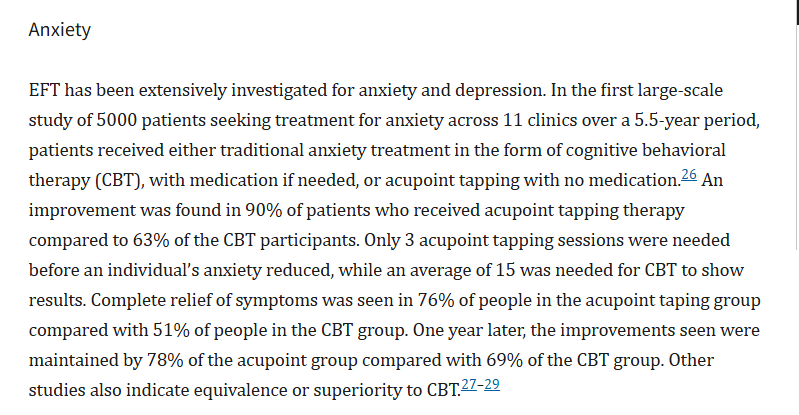
While some remain skeptical of energy-based techniques, research has shown measurable changes in cortisol levels and emotional resilience after tapping. It’s not about belief — it’s about biology and the nervous system.
Bach, D., Groesbeck, G., Stapleton, P., Sims, R., Blickheuser, K., & Church, D. (2019). Clinical EFT (Emotional Freedom Techniques) Improves Multiple Physiological Markers of Health. Journal of Evidence-Based Integrative Medicine, 24, 2515690X18823691. https://doi.org/10.1177/2515690X18823691
3. It’s not a replacement for therapy or medical care.
Tapping can complement mental health support, but it shouldn’t be seen as a substitute — especially for those navigating trauma, psychiatric conditions, or chronic emotional distress.
4. You don’t have to ‘tap perfectly’ for it to work.
There’s no one ‘right’ script or rhythm. Like breathwork, the effectiveness often lies in intention, consistency, and how safe you feel during the process.
EFT is simply one tool in a larger emotional wellness toolbox — not the only one, and certainly not the final word. Use it if it supports you, leave it if it doesn’t. The wisdom lies in discernment, not dogma.
Final Word: You Don’t Need to Be Fixed — You Just Need to Reconnect
There’s no shortcut to emotional balance. But there is a way forward that feels safe, simple, and self-led.
Emotional freedom technique tapping isn’t a miracle tool — but it can be a mirror. A way to notice where your stress lives, where your body holds emotion, and how gently you can begin to shift it.
You may not get everything right on the first try. That’s okay. What matters is the willingness to pause, feel, and try something new.
You don’t need a diagnosis to begin caring for your nervous system. You don’t need to be falling apart to explore tools for grounding. And you certainly don’t need to wait for a crisis to come back to yourself.
Frequently Asked Questions
1. What is Emotional Freedom Technique (EFT) Tapping?
Emotional Freedom Technique tapping is a self-help method that combines gentle tapping on specific acupressure points with verbal affirmations to address emotional and physical distress. It’s often described as “psychological acupuncture without needles.” By stimulating these meridian points while focusing on an issue, EFT helps release blocked energy and reduce the emotional intensity tied to painful memories, stress, or anxiety. Whether you’re working through fear, limiting beliefs, or chronic tension, EFT tapping offers a practical, accessible way to feel more grounded and in control.
2. What are the benefits of EFT tapping?
The benefits of EFT tapping go beyond temporary stress relief. Many users report a noticeable drop in anxiety, improved sleep, better focus, and more balanced emotional reactions. For some, it’s a powerful tool to overcome trauma, reduce cravings, or manage chronic pain. Studies have also shown that EFT can lower cortisol (your stress hormone), improve heart rate variability, and create a state of calm that supports healing and decision-making. It’s particularly effective because it bridges mind and body—something few techniques do with such simplicity.
3. How do I practice tapping exercises?
Tapping exercises are simple and can be done anywhere—whether you’re feeling overwhelmed in traffic or need a few minutes of emotional regulation before a big meeting. Start by identifying an emotion or belief you want to work on (like “I feel anxious about failing”), rate its intensity, and then gently tap through the sequence of EFT points while speaking a setup phrase (e.g., “Even though I feel this anxiety, I deeply and completely accept myself”). Repeat this until the intensity drops. Daily practice builds emotional resilience over time.
4. Which are the main EFT points used in tapping?
The standard EFT points follow the body’s energy meridians and include areas such as:
Karate chop point (side of the hand)
Eyebrow point
Side of the eye
Under the eye
Under the nose
Chin point
Collarbone point
Underarm point
Top of the head
Tapping on these in a specific sequence while staying mentally focused on the issue helps reset the nervous system and reduce the emotional charge linked to the experience.
5. Is EFT backed by science or is it just a placebo?
EFT may feel simple, but it’s backed by growing clinical research. Multiple studies, including randomized controlled trials, have shown that EFT can reduce symptoms of PTSD, anxiety, and depression. Functional MRI scans also reveal changes in brain activation before and after EFT sessions. While the placebo effect can play a role in any healing method, EFT’s impact on cortisol levels, amygdala activity, and autonomic regulation suggests something deeper is at play—particularly because it combines physical stimulation with cognitive reframing.
6. Can I use EFT tapping on physical pain or is it only for emotions?
Absolutely. While EFT is often known for addressing emotional concerns, many people use it to ease physical pain—especially when that pain has emotional roots. For example, chronic neck tension is linked to stored anger, or back pain associated with unresolved grief. By tapping through the discomfort while staying mentally present with the sensation, some people experience not just relief but emotional insight too. The body and mind aren’t separate—and EFT honors that beautifully.
Ready to Reclaim Calm, Clarity, and Control?
Book a one-on-one consult with Deepika Rathod to explore personalized lifestyle and EFT solutions that work from the root.
If you’re feeling overwhelmed — physically, mentally, or emotionally — you don’t have to figure it out alone.
Our Wellness Program is designed to support your unique health journey with science-backed lifestyle tools.
Whether you’re dealing with chronic stress, emotional burnout, or health concerns that aren’t getting better with quick fixes, we help you find a way.
Write to us at: [email protected]
Call our toll-free number: 1800 102 0253
Disclaimer: This blog is for educational purposes only and does not constitute medical advice. Please consult a licensed healthcare provider before making changes to your treatment or emotional health routine. All techniques or tools mentioned should be used with mindfulness and personal discretion.