No products in the cart.
Summer’s here. The sun’s out, and holidays are in full swing, but for many people, this season brings a different story—one that shows up right on their skin.
Sunburns, rashes, heat boils, white spots, tanning, dryness, excessive oiliness, or acne — these are not just cosmetic problems. Your skin is trying to talk to you.

Image Credits: Freepik
The real question is: Are you listening?
I always say this — your skin reflects what’s going on inside. What you eat, how you hydrate, how well you sleep, and how you handle stress — they all show up on your skin.
We have worked with hundreds of people struggling with summer skin issues — from teenage acne to adult pigmentation, and those mysterious white spots that often appear during the hot months.
And guess what? In most cases, a few simple tweaks in lifestyle, nutrition, and mindset brought more change than any product ever did.
Here, I’m going to walk you through some of the most common summer skin problems and solutions using tools that are already in your kitchen, your habits, and your daily routine.
This isn’t about expensive creams or complicated regimens. This is about getting back to the basics — real food, deep sleep, sweating it out, and tuning into what your body is telling you.
Common Summer Skin Problems — White Spots, Rashes and More
Now, let’s talk about the summer skin problems and solutions we see every single year. Whether you’re in a humid city or a dry one, the heat, sweat, pollution, and over-dependence on cosmetics begin to show up on your skin in different ways.
1. Sunburns & tanning:
This one’s become so common. Red, itchy, peeling skin? That’s your skin screaming that its barrier is damaged. Too much direct UV exposure without proper protection causes premature aging and pigmentation. Tanning may seem harmless, but over time, it creates uneven tone and dullness.
- These issues are classic examples of summer skin problems and solutions, where the skin is stressed due to improper care and protection from UV rays. It’s about giving your skin the tools to heal and protect naturally.
2. Heat rashes & inflammation:
That prickly, itchy feeling around your neck, underarms, or chest? It’s usually clogged sweat glands. We’ve seen this a lot in clients wearing tight or synthetic clothes in the heat. Sweat gets trapped under the skin and flares up.
- This isn’t always about the sun but also about how we manage moisture, fabric, and airflow.
3. Oily skin & acne:
Many people complain that their skin becomes greasy in summer leading to clogged pores, whiteheads, blackheads, and acne. This often happens when sweat mixes with makeup, chemical sunscreens, or when the gut and liver are overloaded.
- Managing summer skin problems and solutions naturally requires a step back — assessing your nutrition, lifestyle, and skin routines. It’s about understanding what’s happening inside that’s causing the excess oil production.
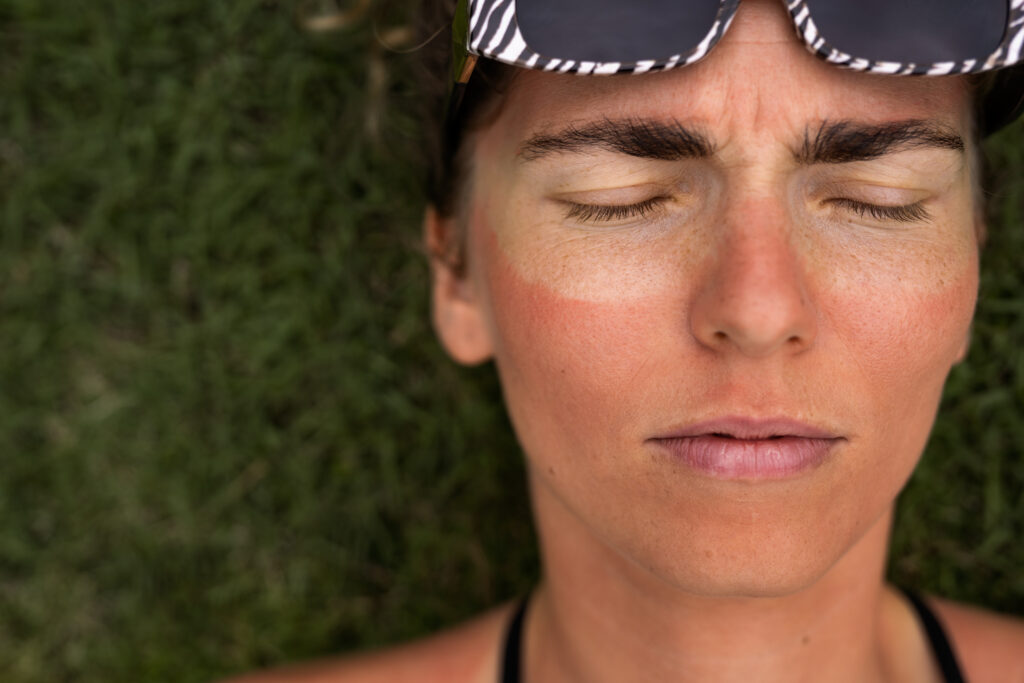
Image Credits: Freepik
4. Dry skin:
Surprising, right? You’d think with all the sweating, skin stays hydrated. But sitting in air-conditioned rooms, not drinking enough water, or using the wrong products strips your skin’s natural oils. We see this often — dry cheeks, patchy arms, even flaky feet.
- To manage summer skin problems and solutions like dryness, start from within. Hydration is key, and you need to be conscious about what your skin needs and how to provide it from both the inside and out.
5. White spots on skin:
One of the concerning skin problems many face is the appearance of white spots on skin. White spots on skin can be due to Pityriasis Alba (a form of dry skin worsened by sun) or fungal infections like tinea, especially in kids or those with poor gut health or low immunity.
- One of the most common skin problems like white spots comes from exposure to the sun without proper care. It’s also an indicator that we need to tune into our body’s need for better gut health and nourishment.
6. Tanning & pigmentation:
Uneven tone, stubborn dark patches on the forehead, upper lip, or cheeks? This is pigmentation. It’s not just from the sun — we’ve seen it linked to hormonal imbalances, poor gut health, and excess cosmetic use too.
- To manage summer skin problems and solutions, especially pigmentation, focus on healing from the inside. It’s all about balancing your internal health so your skin can find its natural glow.
7. Itchiness and body odor:
is natural — and it’s actually good for you (we’ll get to that later). But when hygiene is poor, or skin bacteria are imbalanced, it can lead to itchiness, body odor, or skin inflammation.
- How to manage skin problems naturally means taking care of your skin’s microbiome and cleaning it gently — it’s about balance, not over-cleansing. Always go for natural, soothing products that don’t strip your skin.
Understanding these signs is step one. Whether it’s those persistent rashes or sudden pigmentation, each case has taught our team more about how to manage skin problems naturally through the lens of integrative and preventive care.
The Hidden Root Causes of Common Summer Skin Problems — It’s More Than Just the Weather
Summer may feel like a season of external triggers—heat, sweat, sun—but most skin flare-ups aren’t surface-level problems. Whether you’re dealing with breakouts, heat rashes, dullness, or skin problems like white spots, the real imbalance usually starts deep within the body.
Let’s get one thing clear: summer skin problems and solutions can’t be addressed effectively unless we understand why these issues show up in the first place. It’s not just about switching products or following viral trends. Skin reflects the state of your gut, nutrition, breath, and nervous system.
Here’s what’s often overlooked:
1. Dehydration at the cellular level:
Many people drink enough water yet still suffer from dry, flaky, or irritated skin. Why? Because hydration also depends on electrolyte balance, mineral intake, and your body’s ability to retain fluids at a cellular level. Poor hydration can manifest as a rough texture, skin problems like white spots, and heat-induced rashes. You’ll find this at the top of most lists on how to manage skin problems naturally—and for good reason.
2. Nutrient deficiencies:
Deficiencies in zinc, vitamin D3, B-complex vitamins, and omega-3s directly affect skin healing, immunity, and oil regulation. Many chronic conditions, including skin problems white spots, stem from weak immunity and inflammation linked to these deficiencies. The path toward how to manage skin problems naturally always includes nutritional correction, not just topical care.
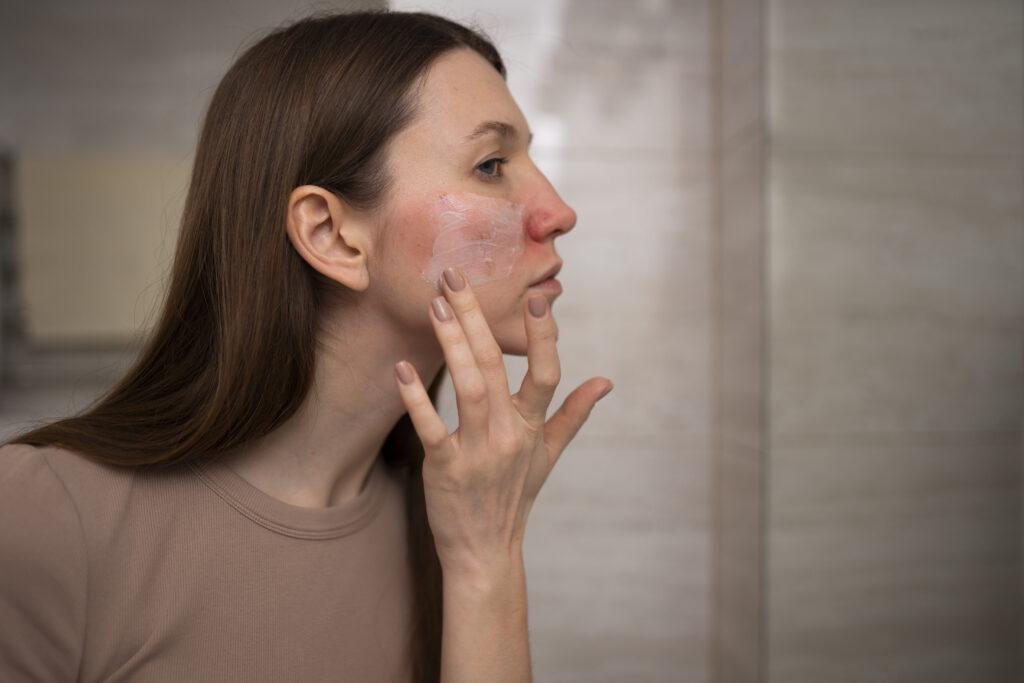
Image Credits: Freepik
3. Gut inflammation and dysbiosis:
The gut-skin axis is real. The skin is a mirror of gut health. Imbalances in gut bacteria, low digestive enzymes, leaky gut, and chronic bloating often harm the skin microbiome and lead to inflammatory skin issues. Want to know how to manage skin problems naturally? Start with healing your digestion. This is especially true when dealing with fungal issues, rashes, and persistent skin problems like white spots, which often worsen in hot, humid weather.
4. Overuse of skincare products:
Your skin is intelligent. Using multiple exfoliators, retinols, acids, and chemical sunscreens can confuse and damage the skin barrier. A compromised barrier allows allergens, heat, and bacteria to penetrate deeper, causing flare-ups. Even popular routines like the 10-step Korean skincare regime, though well-intentioned, may be too layered for our tropical climate, often doing more harm than good when the skin just needs to breathe.
5. Mental stress and hormonal fallout:
Yes, stress shows up on your skin. Cortisol (your primary stress hormone) directly increases oil production, delays healing, and makes the skin more reactive to heat and sunlight. People experiencing high stress are often the ones who suffer from persistent skin problems like white spots, hives, or flare-ups with no apparent cause. Managing stress isn’t just a mental health goal — it’s a foundational part of how to manage skin problems naturally.
Reminder:
“Before applying anything on the skin, ask yourself – how’s your gut, your food, your sleep, your breath? That’s the skin’s real story.”
A Lifestyle-Centered Approach: How to Manage Skin Problems Naturally
When it comes to how to manage skin problems naturally, it’s not about applying more—it’s about doing less, more mindfully. You don’t need a cabinet full of products. You need to realign with nature, give your body what it needs, and create the right internal environment for the skin to heal itself.
Let’s explore how we can manage common summer skin issues in an integrative way.
Cellular hydration:
Most people underestimate this. Your skin is over 60% water, and it can’t flush out toxins or regulate oil production when you’re dehydrated. But drinking plain water isn’t always enough.
- Add a pinch of rock salt, sabja seeds, lemon, or mint to your water to enhance absorption. Do this only if it suits your body and doesn’t trigger acidity or bloating.
- Sip on coconut water or chaas (buttermilk) to restore lost electrolytes, especially if you sweat a lot.
- Eat fruits that hydrate from within—watermelon, oranges, cucumber, lychee. These aren’t just seasonal treats, they’re skin fuel.
Eat for your skin:
Your skin eats too. It absorbs nutrients from your bloodstream, not just serum. Every bite is either medicine or a trigger.
- Antioxidant-rich foods like amla, guava, berries, turmeric, and spinach fight the oxidative stress that ages and inflames skin.
- Omega-3 fats found in walnuts, flaxseeds, and chia seeds help reduce inflammation that often shows up as acne, eczema, or those stubborn white spots.
- Cutting out or reducing refined sugar and dairy (especially during summer) can dramatically change how your skin behaves, especially if you’re prone to breakouts or heat-related flare-ups.
This is a non-negotiable step if you’re learning how to manage skin problems naturally.
Go gentle with skincare routines:
Harsh skincare routines can be counterproductive. The skin is already under stress from heat, sweat, and sun—don’t make it work harder.
- Use a gentle, non-soap cleanser to avoid stripping away your natural oils.
- Skip the aggressive scrubs and harsh chemicals in summer.
- Spritz your face with rose water or cucumber water. It’s not just refreshing—it helps soothe inflammation and cool the skin.
- If you must use sunscreen, stay tuned for expert insights from a renowned dermatologist in the upcoming section. Or better yet, use shade, hats, and breathable clothing as your first line of defense.
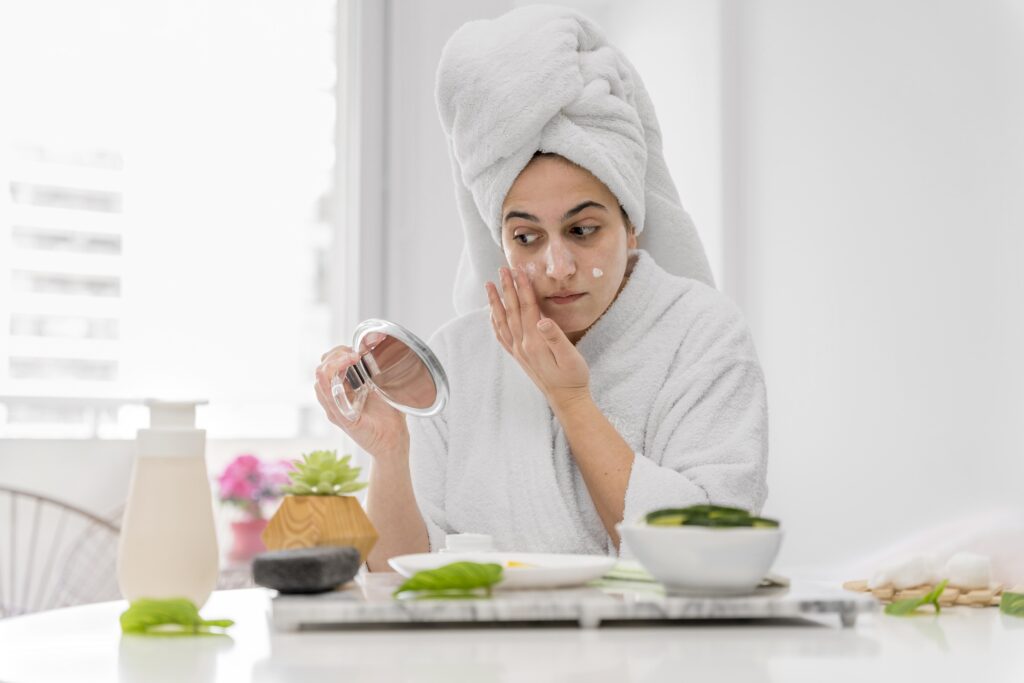
Image Credits: Freepik
Calm skin starts with a calm mind:
Emotional stress increases inflammation, oil production, and delays healing. That’s why anxiety and worry can often flare up skin problems.
- Even 10 minutes of deep breathing, journaling, or simply sitting in silence every day can reduce stress markers in the body, and that reflects directly on the skin.
- And don’t ignore sleep. Your skin regenerates at night. No product can replace what deep sleep gives your skin naturally.
This mind-skin connection is often overlooked in conventional dermatology but is at the heart of how to treat skin problems naturally.
Breathable fabrics & sun-smart choices:
Your skin needs to breathe—literally. Synthetic clothes trap sweat and bacteria, worsening rashes and pigmentation.
Stick to cotton and linen. Loose fits, light colors.
Avoid direct sun exposure during peak hours (12–3 PM). Use umbrellas, scarves, or wide-brimmed hats. You’ll not only protect your skin, but you’ll also reduce the need for reactive care.
Time-tested remedies from the kitchen to manage skin problems naturally:
Some of the best skin treatments are already in your home. No chemicals, no side effects.
- Cooling cucumber mask: Blend cucumber and a spoonful of aloe vera gel. Apply for 10-15 minutes to soothe heat rashes or sunburn.
- Honey + Turmeric spot treatment: Helps reduce white spots and lighten blemishes. Apply only to affected areas.
- Oatmeal + Yogurt scrub: For gentle exfoliation once a week. Helps unclog pores and soothe inflamed skin.
- Multani Mitti (Fuller’s Earth) mask: Great for oily skin, but don’t let it dry fully or use daily.
- Raw milk dab: Can help reduce pigmentation or tanning, but patch test first.
- Rice water: It serves as a natural hydrating agent, helping to retain moisture in the skin, has anti-inflammatory properties, and is also rich in antioxidants.
But avoid lemon on your face, daily scrubbing, or mixing too many active ingredients. Natural doesn’t mean reckless. Simplicity is key when you’re trying to learn how to treat skin problems naturally.
Here are a few trusted natural remedies and gentle skincare scrubs, masks, balm, and more, curated by Team Luke:
- 7 Natural Remedies To Keep Your Skin Bright
- Make These DIY Scrubs, Masks & Balm at Home
- Skincare From Your Kitchen: Make These DIY Toners and AHA Masks at Home
Disclaimer: Always perform a patch test before trying any new skincare remedy or product. Apply a small amount to a discreet area of your skin (such as the inside of your wrist or behind your ear) and wait 24 hours to check for any adverse reactions like redness, itching, or irritation. If any reaction occurs, discontinue use immediately. These remedies are for general informational purposes and may not be suitable for all skin types. If you have sensitive skin or any underlying skin conditions, consult with a dermatologist before use.
Expert Insights: What Dr. Sonali Kohli Says About Sunscreen, Vitamin D & Summer Makeup
In one of our most insightful podcast episodes with Dr. Sonali Kohli, a renowned dermatologist, she broke down summer skin problems and solutions with clarity. Let’s bust myths and get real with sunscreen, Vitamin D, and makeup.
Sunscreen basics you must know:
- Sunscreen isn’t optional. It’s essential, especially for preventing pigmentation, tanning, and long-term damage.
- Choose one based on your skin type. Dry, oily, or sensitive – don’t use a one-size-fits-all approach.
- Reapply every 2–3 hours if you’re outdoors. Most people skip this, leading to recurring skin problems like white spots and tanning.
- Always pick a broad-spectrum sunscreen with both UVA + UVB protection. Look for triple plus signs (+++).
- SPF is not just about sunburn — it doesn’t measure damage from long-term UV exposure. Be smart about your choice.
- Look for Zinc oxide, titanium dioxide, or mineral base.
- Avoid harsh chemical sunscreens, especially if dealing with sensitive summer skin problems.
- Apply the sunscreen properly. Use the fingertip unit method to cover your face and neck adequately.

Image Credits: Freepik
What about Vitamin D?
- You can get your daily Vitamin D and protect your skin. Step out in early morning sun (before 8:30 AM) for 10–15 minutes without sunscreen.
- Post that window, apply your sunscreen to avoid damage. This balance is key in learning how to manage skin problems naturally.
- Your skin is your body’s Vitamin D factory. It produces the active form, which helps regulate your skin’s renewal and even supports your hair follicles.
Summer and makeup:
- Heavy makeup is a summer skin enemy. It traps sweat, clogs pores, and causes breakouts.
- Less is more. Let your skin breathe. A light mineral tint or just sunscreen is often enough.
- Especially if you’re prone to skin problems like white spots, acne, or oily skin, skip full-coverage foundations.
Bonus tip:
Avoid black clothes under the sun — they absorb heat. Choose light colors to reflect UV rays.
When to Seek Professional Help?
Most summer skin problems and solutions can be handled naturally. But don’t ignore signs that need expert attention.
- White spots that spread, itch, or flake? It could be a fungal infection — don’t wait it out.
- Painful rashes, pus-filled acne, or skin that oozes — time to see a dermatologist.
- Sunburns that blister or unusual pigmentation or moles — get them checked.
- If your skin problem doesn’t respond to natural care within 1–2 weeks, it’s wise to consult a professional.
Your skin is your body’s largest organ. Listen to it — and act early if something feels off.
The Last Word…
Treat your skin like a living, breathing organ, it is!
Skin care isn’t about chasing flawless perfection. It’s about tuning in. Listening. Simplifying. Supporting your body, not overwhelming it.
Your skin is unique, just like you. That’s the power of bio-individuality. What works for someone else may not work for you, and that’s okay. The real wisdom lies in understanding your body’s language, not copying someone else’s routine off the internet.
Don’t be influenced — be educated. Don’t blindly follow trends. Learn what truly supports your health, your gut, your hormones, your immunity, and in turn, your skin.
Disclaimer: This blog is intended for educational and informational purposes only and is not a substitute for professional medical advice, diagnosis, or treatment. Always consult your dermatologist or healthcare provider for concerns related to skin conditions or before starting any new skincare regimen, especially if you have pre-existing health conditions or persistent symptoms.
Looking for real solutions to summer skin problems?
We’re here to help YOU find a way. Our integrative team helps you understand how to manage skin problems naturally by identifying and healing the root cause.
Set up a one-on-one consultation with our integrative team or enroll in our specialized Skin Care Program for personalized solutions.
Reach out to us at 1800 102 0253 or write to us at [email protected].