No products in the cart.
Are you above 35?
And lately, do you find yourself pausing at posts about knee pain, lower back stiffness, frozen shoulder, slow metabolism, fatigue?
You read them and think, “This is me.”
What’s more worrying is that this is no longer limited to 40s and 50s. Even people in their late 20s are relating to it.
Why is it happening?.
Afterall, this is not ‘normal aging.’
It is accumulated neglect meeting a body that is no longer willing to compensate.
The Truth About Healing After 35
Healing isn’t slower because you crossed 35.
Healing feels slower because your body now demands respect.
Let’s understand this.
After the mid-30s, the body does not suddenly decline. What changes is physiological flexibility, the ability to bounce back from stressors. Research in aging biology shows that recovery capacity is closely tied to muscle integrity, mitochondrial efficiency, hormonal rhythm, and inflammatory balance. When these systems are supported, healing remains efficient. When they are neglected, recovery timelines stretch.
Think of your body like a high-performance car. In your 20s, you could delay servicing and still get away with it because redundancy mechanisms were high. After 35, those buffers narrow. The engine is still strong, but it now responds precisely to how you treat it.
Do you know why this shift happens?
It is due to:
1. Muscle Protein Turnover Becomes Less Responsive
Beginning in the fourth decade, the body experiences a subtle reduction in anabolic sensitivity, sometimes called ‘anabolic resistance.’ Adults require a stronger stimulus, adequate protein intake and resistance training, to stimulate muscle protein synthesis at levels seen in younger individuals.
This does not mean muscle cannot be built. It means the stimulus must be intentional.
If protein intake is inconsistent or resistance training is absent, muscle repair and tissue healing appear slower. Not because the body is weak, but because it now requires precision.

Image Credits: Freepik
2. Mitochondrial Efficiency Gradually Declines
Mitochondria generate ATP (adenosine trisphosphate), the energy currency required for cellular repair. Mitochondrial function becomes more vulnerable to oxidative stress with age.
Sedentary behavior, nutrient insufficiency, and chronic psychological stress accelerate this decline. However, physical training, adequate micronutrients, and metabolic conditioning improve mitochondrial biogenesis even in midlife.
Energy production drives healing. When energy availability drops, recovery feels delayed.
3. Inflammatory Signaling Becomes More Sensitive
Low-grade chronic inflammation, sometimes described in research as ‘inflammaging’, tends to increase gradually with age. This is due to a shift in immune regulation.
Poor sleep, visceral fat accumulation, highly processed food habits, and chronic stress amplify inflammatory signaling. Elevated inflammatory markers can prolong tissue repair and increase soreness perception.
Again, the issue is not age alone. It is the interaction between age and lifestyle inputs.
4. Hormonal Pulsatility Changes
Growth hormone secretion, testosterone levels in men, and estrogen-progesterone dynamics in women undergo gradual shifts after the mid-30s. Growth hormone in particular plays a role in tissue repair and collagen turnover.
Growth hormone secretion becomes less pulsatile with age, especially when sleep quality is compromised. Since the largest growth hormone surge occurs during deep sleep, disrupted circadian rhythms directly influence recovery speed.
When sleep architecture is poor, repair mechanisms are blunted.
5. Stress Response Recovery Takes Longer
The hypothalamic–pituitary–adrenal (HPA) axis regulates cortisol output. Chronic stress exposure alters cortisol rhythms over time, affecting immune balance and tissue repair.
In your 20s, repeated stress spikes may resolve quickly. After 35, if stress is chronic and recovery practices are absent, cortisol normalization takes longer. Healing is delayed not because of chronological age, but because the nervous system remains in a heightened state.
Why This Is Not ‘Just Age’
Hormonal shifts play a role—testosterone, estrogen, progesterone, and growth hormone naturally change. But dramatic fatigue, joint pain, mood swings, and brain fog often stem from:
- Vitamin D deficiency
- B12 insufficiency
- Magnesium depletion
- Low protein intake
- Chronic under-eating of healthy fats
- Poor circadian alignment
- Sedentary lifestyle

Image Credits: Freepik
These are modifiable. When these variables are aligned, healing capacity improves significantly, even beyond 40 and 50. So if you’re wondering why healing after 35 feels slower, the answer is not aging alone. It reduces physiological slack.
And, what we call aging is often lifestyle erosion.
The Silent Modern Epidemic: Desk Life & No Recovery
We sit for 8–10 hours.
We eat rushed meals.
We want overnight results.
We glorify burnout.
We try to achieve everything without micro-rests.
Micro-rests are powerful. Two minutes of diaphragmatic breathing. A five-minute walk in sunlight. A tech-free lunch break. These are not luxuries. They are biological necessities.
The Six Foundational Pillars That Change Everything
You will find everything on the internet today.
One doctor says eliminate carbs. Another says fast for 18 hours. Someone else says cold plunges will solve everything.
We are living in a hyperconnected, hyper-stimulated world, constantly pulled into a labyrinth of excessive information. And in that noise, we forget that simplicity is the new luxury.
Healing after 35 does not require extreme biohacks. It requires strengthening foundations.

Image Credits: Freepik
Let’s come back to what actually works, what is backed by physiology, clinical research, and long-term human biology.
1. Food Science & Nutrient Synergy
Nutrition is not about trends. It is about cellular signaling.
After 35, muscle protein synthesis becomes less sensitive to small protein doses. Research published in Nutrients shows that distributing adequate high-quality protein across meals stimulates muscle repair more effectively than consuming most of it at dinner.
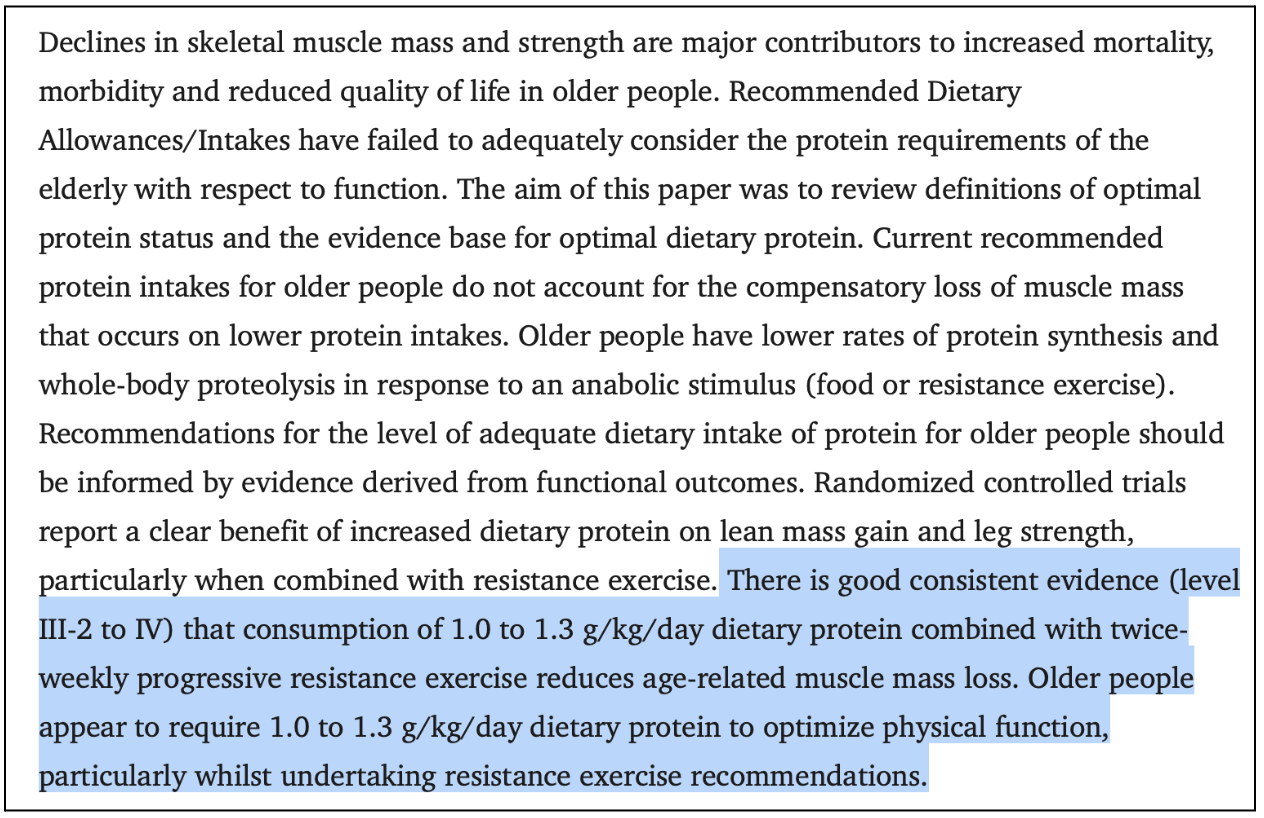
Source: Nowson, C., & O’Connell, S. (2015). Protein Requirements and Recommendations for Older People: A Review. Nutrients, 7(8), 6874–6899. https://doi.org/10.3390/nu7085311
At the same time, micronutrient insufficiencies become more common, especially Vitamin D, B12, iron, and magnesium, each of which plays a role in mitochondrial function, oxygen transport, nerve signaling, and muscle contraction.
Gut microbiome diversity also declines when food diversity reduces. Fiber diversity supports microbial resilience, immune balance, and metabolic health. Additionally, correct food pairing helps improve nutrient absorption, reduces digestive stress, and supports better glycemic control.
When we combine foods intelligently, we enhance how the body utilizes nutrients. For example:
- Pairing plant-based iron sources like lentils with vitamin C–rich foods improves iron absorption.
- Combining protein with fiber and healthy fats slows glucose spikes and supports insulin sensitivity.
- Including fermented foods with meals supports beneficial bacterial growth and digestive efficiency.
Food is not just about calories or macros. It is about communication.
Where most people go wrong:
- Low-protein breakfasts
- High refined carbohydrate dependency
- Ultra-restrictive food habits
- Ignoring laboratory markers
- Minimal plant diversity
What actually works:
- 1–1.2 g protein per kg body weight daily (unless medically restricted)
- Combining protein, fiber, and healthy fats per meal
- Periodic nutrient testing
- 25–35 grams of fiber from diverse plant sources
Start Today: The Protein-First PlateAt lunch and dinner, build your plate in this simple order. Given is an example for your reference: 1 Palm-Sized Protein(Choose one per meal) Vegetarian options:
Non-vegetarian options:
Protein supports muscle repair, metabolic health, and sustained satiety, especially important when healing feels slower after 35. 2 Handfuls of Vegetables(Mix colors for diversity)
Aim for variety across the week. Different colors provide different phytonutrients and fiber types, which support gut microbiome diversity and inflammation balance. 1 Portion of Complex Carbohydrates(About ½–1 cup cooked, depending on activity level)
These provide steady glucose release and fiber, supporting insulin sensitivity and energy stability. 1 Thumb of Healthy Fats(About 1–2 teaspoons)
Healthy fats support hormone production, fat-soluble vitamin absorption (A, D, E, K), and satiety signaling. How This Looks on a PlateGrilled fish + sautéed spinach and carrots + small serving of hand-pounded rice + drizzle of ghee or Paneer bhurji + mixed vegetable sabzi + one jowar roti + handful of pumpkin seeds Simple. Structured. Sustainable. 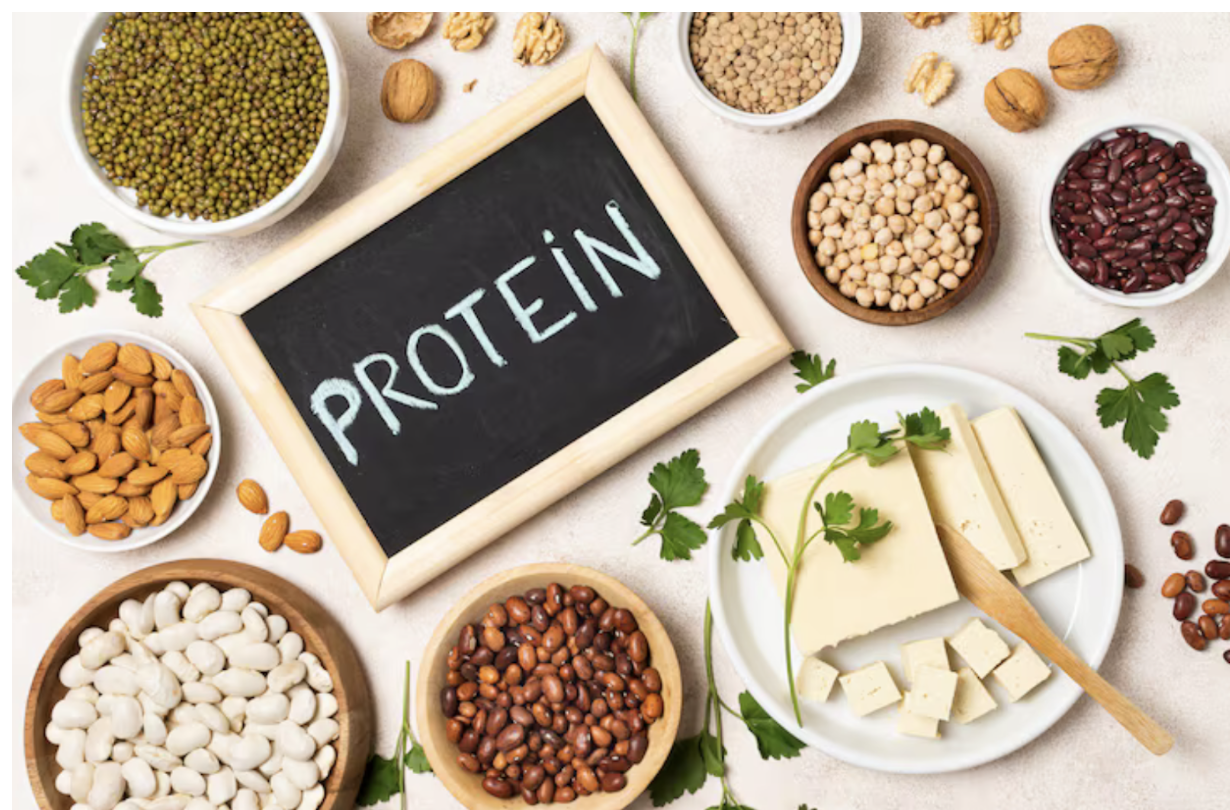 Image Credits: Freepik If you want delicious meals without overcomplicating your kitchen routine, we’ve made it easier for you. Explore Luke’s Recipe Corner for balanced, foundation-first recipes that align with real food science, nutrient synergy, and sustainable health. From protein-rich breakfasts to gut-friendly lunches and hormone-supportive dinners, you’ll find simple options that nourish without extremes. |
2. Adequate Holistic Movement
Walking is excellent. But muscle preservation requires load.
Resistance training activates mTOR pathways (mechanistic target of rapamycin pathways) and stimulates muscle protein synthesis. A landmark review confirms that resistance training remains the most effective intervention to preserve muscle mass and metabolic function across midlife.
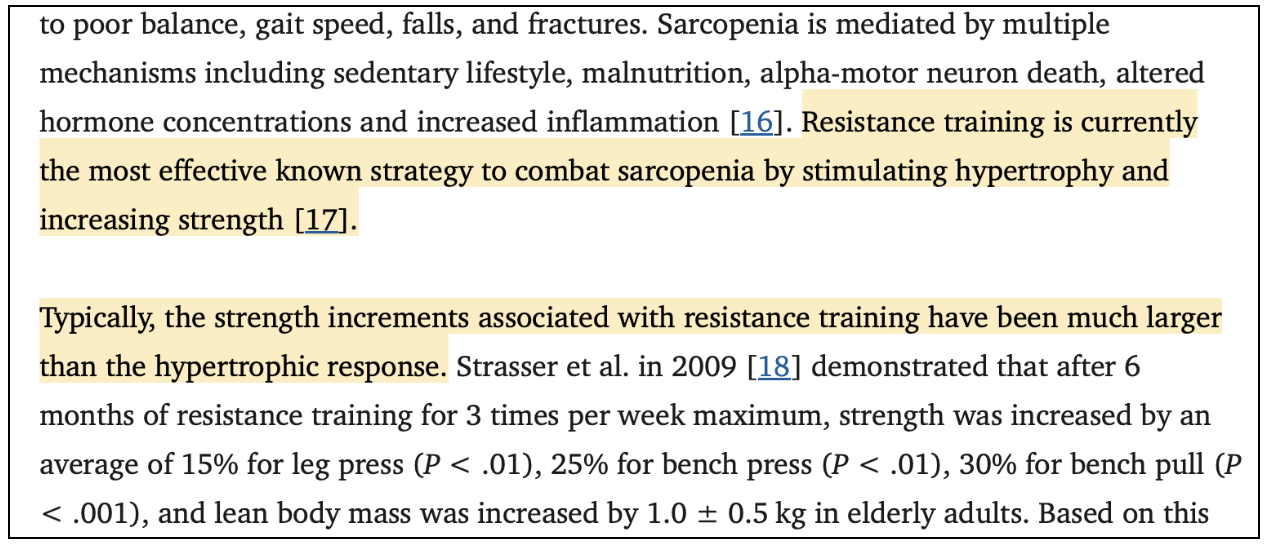
Source: Sundell J. (2011). Resistance Training Is an Effective Tool against Metabolic and Frailty Syndromes. Advances in preventive medicine, 2011, 984683. https://doi.org/10.4061/2011/984683
In addition, prolonged sitting reduces lipoprotein lipase activity, affecting fat metabolism.
Common mistakes most people do:
- Only cardio
- Overtraining without recovery
- Sitting 8–10 hours
- Ignoring joint mobility
What actually works:
- Strength training 2–3 times weekly
- Daily non-exercise movement
- Mobility work for joint longevity
- Structured recovery
Start Today: The 45-Minute ResetEvery 45 minutes:
This protects muscle, improves insulin sensitivity, and enhances circulation. |

Image Credits: Freepik
3. Deep Sleep
Sleep is the master regulator of recovery.
Growth hormone secretion peaks during slow-wave sleep. Research in Sleep Medicine Reviews demonstrates that sleep restriction reduces growth hormone release and impairs glucose metabolism.
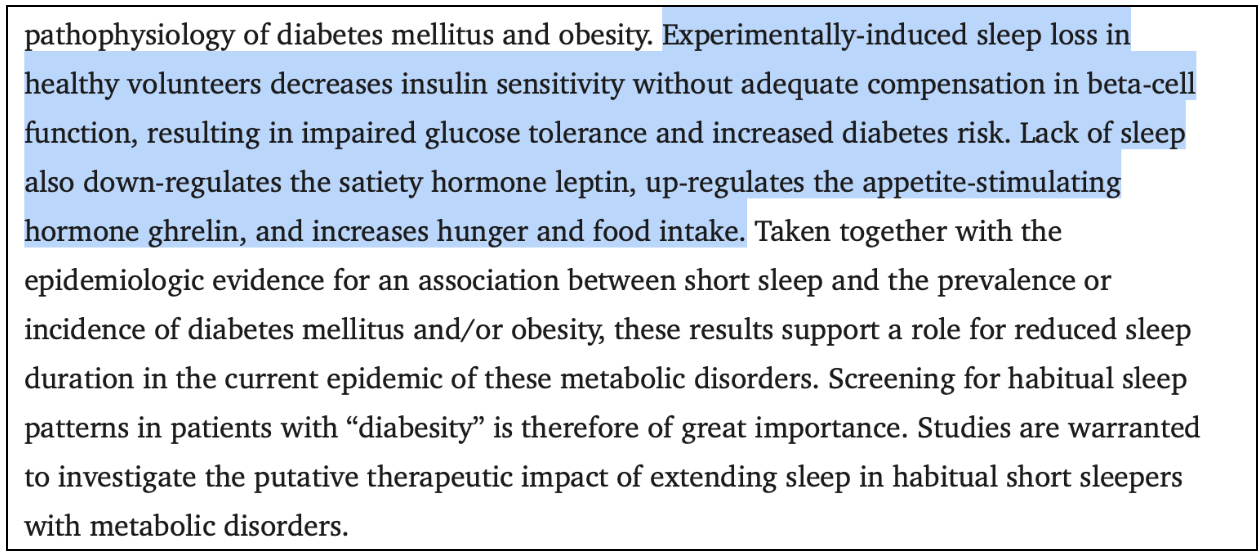
Source: Morselli, L., Leproult, R., Balbo, M., & Spiegel, K. (2010). Role of sleep duration in the regulation of glucose metabolism and appetite. Best practice & research. Clinical endocrinology & metabolism, 24(5), 687–702. https://doi.org/10.1016/j.beem.2010.07.005
Blue light exposure at night suppresses melatonin production, disrupting circadian rhythm. Even moderate sleep deprivation increases inflammatory markers.
Where we derail:
- Late-night screen exposure
- Heavy meals close to bedtime
- Irregular sleep timing
- Artificial lighting at night
What works:
- Consistent sleep-wake cycle
- Morning light exposure
- Dark, cool sleeping environment
- 60-minute digital sunset
Start Today: 20-Minute Shutdown Ritual
Sleep is not downtime. It is an active repair. |
4. Emotional Wellness & Mental Health
Chronic psychological stress increases cortisol and inflammatory cytokines. Research in Psychoneuroendocrinology shows long-term stress alters HPA axis regulation and immune balance.
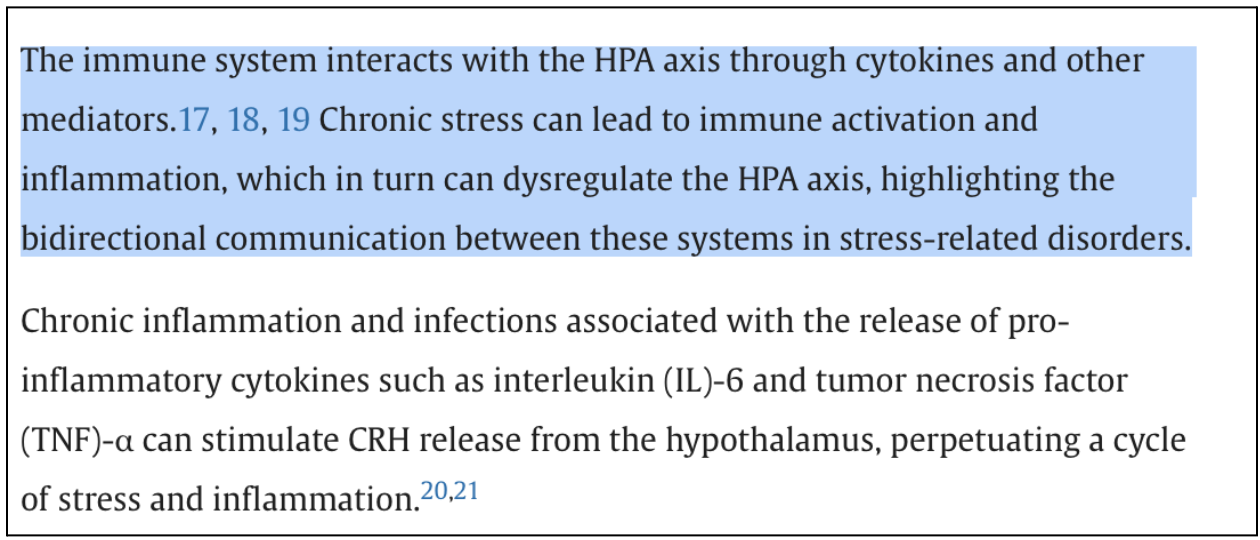
Source: Ring, M. (2025). An integrative approach to HPA axis dysfunction: From recognition to recovery. The American Journal of Medicine, 138(10), 1451–1463. https://doi.org/10.1016/j.amjmed.2025.05.044
Emotional suppression is associated with increased sympathetic activation and cardiovascular strain.
What we ignore:
- Unprocessed emotions
- Chronic urgency
- Comparison-driven stress
- Lack of nervous system regulation
What supports healing:
- Journaling
- Therapy when required
- Boundary setting
- Parasympathetic activation
Start Today: The 5-Minute Emotional AuditStep 1: Pause and Breathe
This signals safety to your nervous system before you begin reflecting. Step 2: Name the EmotionAsk yourself: “What am I truly feeling right now?” Be specific. Not just ‘stressed.’ Labeling emotions has been shown to reduce amygdala activation and improve emotional regulation. Step 3: Locate It in the BodyNow ask: ”Where do I feel this in my body?” Tight jaw? This builds mind-body awareness and reduces unconscious tension patterns. Step 4: Identify One Supportive ActionAsk yourself:”What is one small action that would support me right now?” Examples:
Keep it realistic. Small shifts create regulation. Step 5: Close with ReassuranceEnd with one sentence: “I am safe. I am allowed to slow down.” Consistency matters more than intensity. When you do this daily, you reduce chronic sympathetic overdrive. You improve emotional processing. You lower stress reactivity. And when the nervous system feels safe, healing accelerates, not because you forced it, but because your body finally feels supported.  Image Credits: Freepik If you are ready to go deeper, explore Break the Loop: How to Interrupt, Reframe, and Reprogram Negative Thoughts — a structured, science-backed course designed to help you step out of unconscious mental cycles and build healthier cognitive patterns. Whether you’re a student feeling stuck, a parent juggling multiple roles, a professional navigating burnout, or someone exhausted by the inner critic, this course helps you understand that thoughts are learned. And what is learned can be rewired. |
5. Nature: Internal & External Environment
Morning sunlight synchronizes circadian rhythm through retinal photoreceptors that signal the suprachiasmatic nucleus. Research shows natural light exposure improves melatonin timing and sleep efficiency.
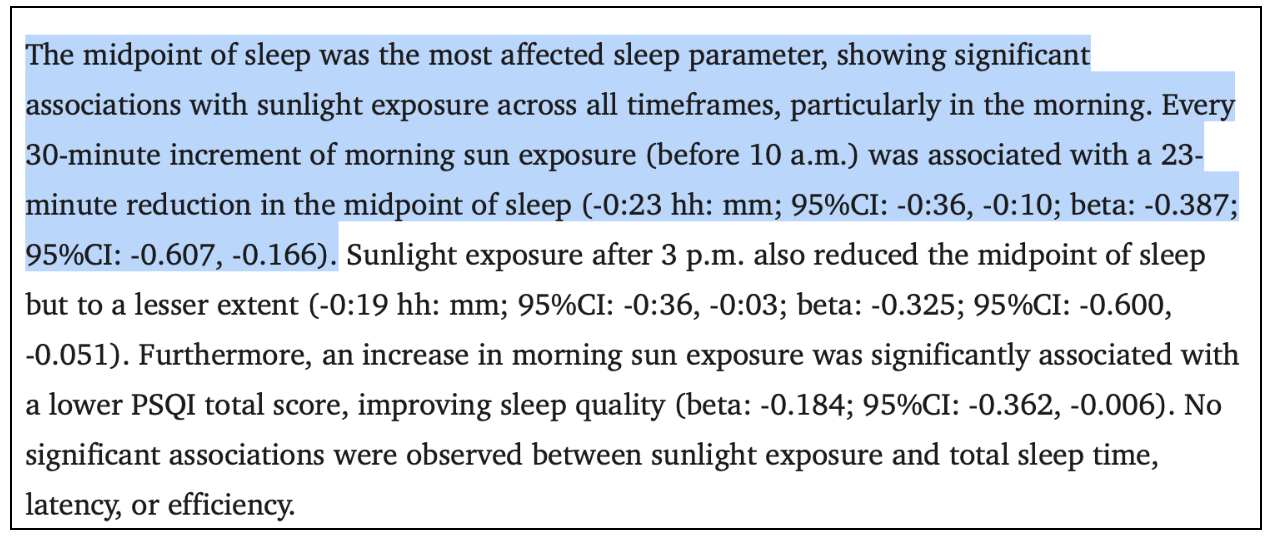
Source: de Menezes-Júnior, L. A. A., Sabião, T. D. S., Carraro, J. C. C., Machado-Coelho, G. L. L., & Meireles, A. L. (2025). The role of sunlight in sleep regulation: analysis of morning, evening and late exposure. BMC public health, 25(1), 3362. https://doi.org/10.1186/s12889-025-24618-8
Exposure to green spaces reduces cortisol levels and improves immune function.
Modern mistakes:
- Indoor living
- Processed food overload
- Poor air circulation
- Limited environmental variation
What restores rhythm:
- Morning sunlight
- Fresh air exposure
- Seasonal whole foods
- Reduced chemical load
Start Today: 10-Minute Morning Sun WalkNo phone. Just breath, light, and movement. This aligns hormones before your day begins. Here’s how to do it properly: Step 1: Go Out Within 30–60 Minutes of WakingTiming matters more than duration. Step outside as early as possible after waking. Even cloudy days work; natural light is still significantly brighter than indoor lighting. Step 2: No Sunglasses (If Comfortable)Let natural light enter your eyes directly. Do not stare at the sun; simply face the direction of daylight. Step 3: Walk Gently, Don’t Scroll
Step 4: Practice Nasal BreathingBreathe slowly through your nose as you walk. Try this rhythm:
Step 5: Observe, Don’t ConsumeNotice:
Step 6: Close With One IntentionBefore stepping back inside, pause for 10 seconds. Take one slow breath and set a simple intention: “Today, I will move calmly.” or “Today, I will respond, not react.” |
6. Spirit & Breathwork
Slow breathing directly stimulates the vagus nerve, increasing parasympathetic tone. Research confirms that slow breathing improves autonomic balance and emotional regulation.
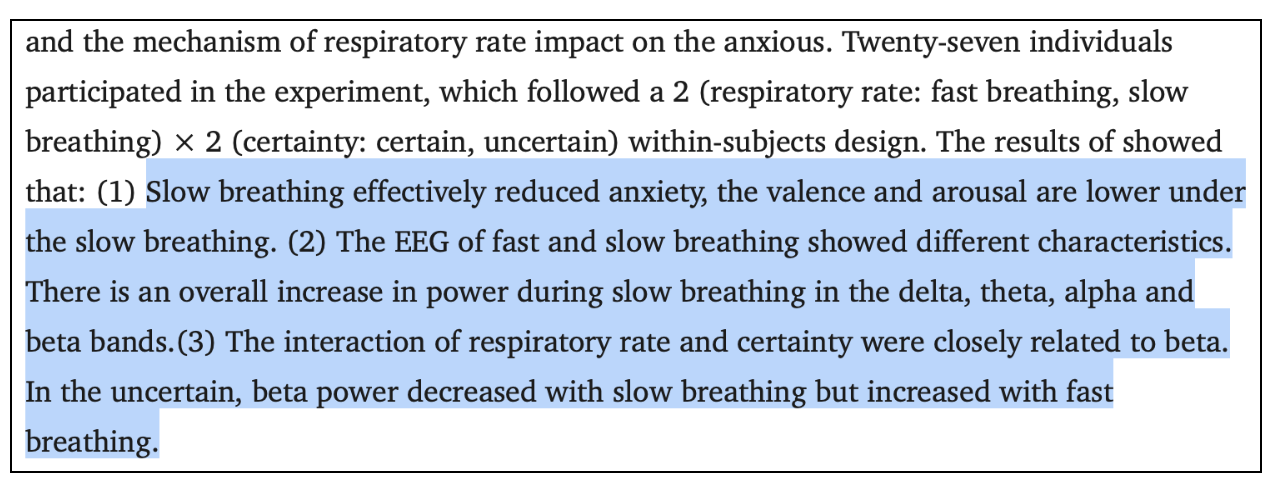
Source: Luo, Q., Li, X., Zhao, J., Jiang, Q., & Wei, D. (2025). The effect of slow breathing in regulating anxiety. Scientific reports, 15(1), 8417. https://doi.org/10.1038/s41598-025-92017-5
Breathing at approximately 5–6 breaths per minute optimizes heart rate variability, a marker of resilience.
What disconnects us:
- Mechanical living
- No pause between tasks
- Chronic sympathetic dominance
What restores regulation:
- Slow nasal breathing
- Daily stillness practice
- Gratitude or prayer
- Purpose alignment
Start Today: Pre-Meal Breath ResetTry slow nasal diaphragmatic breathing before having meals:
This form of slow nasal diaphragmatic breathing activates the vagus nerve and shifts the body into a parasympathetic, ‘rest-and-digest’ state. When you eat in this state:
This simple reset takes less than a minute, yet it prepares your body to receive food instead of rushing through it in survival mode. Healing often begins not with what you eat, but with how you eat. |
Disclaimer: Please implement these suggestions only if they feel appropriate for your body, lifestyle, and current health condition. Always consult your healthcare professional before making significant changes to your food habits, exercise, sleep, or stress-management routine.
Start With A Fresh Perspective Today
After 35, your body reflects your habits back to you.
You cannot outwork poor sleep.
You cannot out-supplement chronic stress.
You cannot out-train nutrient deficiency.
Because your body is no longer tolerating neglect, but you can work with biology.
Aging is not decay. It is feedback. Fix your foundations and the best moment to start is today. Be educated, not influenced.
Disclaimer: This blog is intended for educational and informational purposes only. It is NOT a substitute for professional medical advice, diagnosis, or treatment. Before making significant nutritional changes, increasing protein intake, or beginning any supplementation, consult a qualified healthcare professional or registered medical practitioner, especially if you have existing medical conditions such as diabetes, hypertension, kidney concerns, gastrointestinal disorders, or if you are pregnant, breastfeeding, or on long-term medication.
Want personalized guidance on nutrition and related issues?
We help you find a way.
Set up a one-on-one consultation with our foundational team or explore our Wellness Programs to optimize your lifestyle goals.
Reach out to us at 1800 102 0253 or write to us at [email protected].