No products in the cart.
Some people wake up and head to the bathroom like clockwork.
Others skip a day… or two.
And some suddenly feel the urge in the afternoon or late evening.
Most of us rarely stop to ask a simple question:
Is there actually a ‘right’ time for a bowel movement?

Image Credits: Freepik
The truth is, your bowel movement timing is not random. Your body follows an internal clock, and this clock quietly influences how your circadian rhythm affects digestion, gut motility, and overall digestive health function throughout the day.
But modern lifestyle and digestion don’t always stay in sync. Late nights, irregular meals, stress, and disrupted bowel habits can throw this rhythm off balance.
So does it really matter whether you go in the morning or the evening?
Here, we’ll explore:
- How your body’s internal clock influences digestion
- What science says about bowel movement timing
- Whether morning, afternoon, or evening poops really makes a difference
- Which position actually supports easier elimination
- Simple techniques that can make bowel movements more comfortable and natural
Let’s dive in.
Your Gut Has a Body Clock Too
Most people know the body has a circadian rhythm: the internal 24-hour clock that tells you when to sleep and when to wake up.But here’s something interesting.Your gut runs on a clock, too.The digestive system follows its own daily rhythm that coordinates with the brain’s master clock. This rhythm influences how your digestive system works throughout the day.It helps regulate things like:
- Sleep–wake cycles
- Hormone release
- Metabolism
- Digestion and nutrient absorption
- Gut motility (the wave-like contractions that move food and waste through your intestines)
In simple terms, your digestive system doesn’t work randomly.
It works rhythmically.Researchers studying circadian rhythm and gut health have consistently observed that the colon tends to be more active during certain parts of the day and relatively quieter during the night.
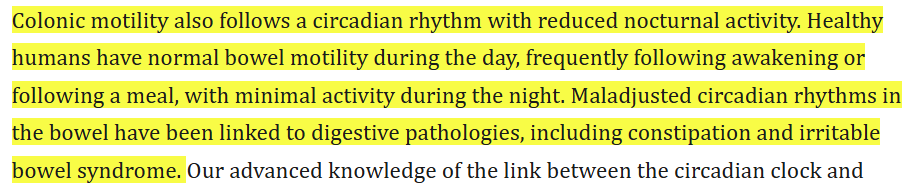
Source: Duboc H, Coffin B, Siproudhis L. Disruption of Circadian Rhythms and Gut Motility: An Overview of Underlying Mechanisms and Associated Pathologies. J Clin Gastroenterol. 2020 May/Jun;54(5):405-414. doi: 10.1097/MCG.0000000000001333. PMID: 32134798; PMCID: PMC7147411.
And when your lifestyle and digestion stay aligned with this natural rhythm, your gut tends to function much more smoothly.
But when habits like late-night eating, poor sleep, stress, or irregular bowel habits disrupt this internal clock, your digestive rhythm can also start to feel unpredictable.
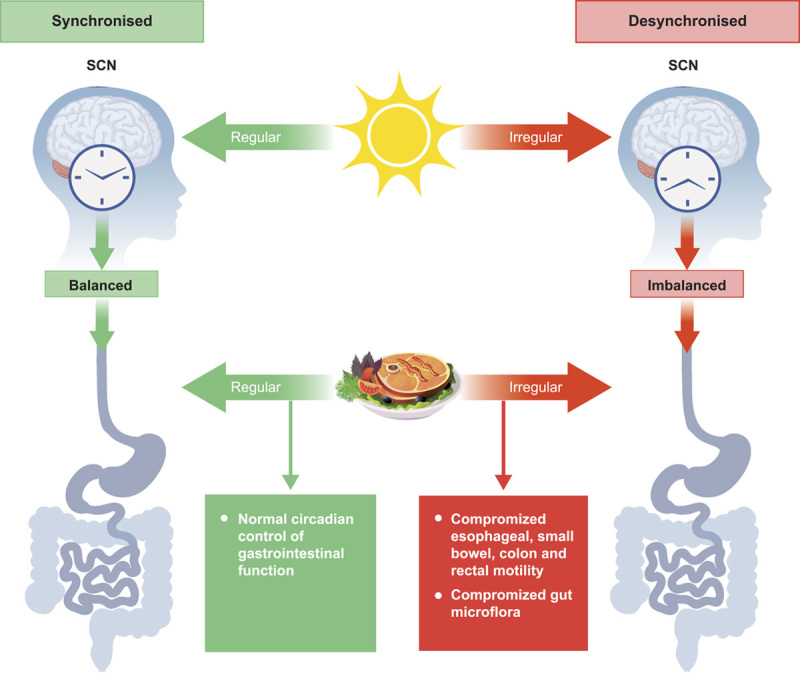
Source: Duboc H, Coffin B, Siproudhis L. Disruption of Circadian Rhythms and Gut Motility: An Overview of Underlying Mechanisms and Associated Pathologies. J Clin Gastroenterol. 2020 May/Jun;54(5):405-414. doi: 10.1097/MCG.0000000000001333. PMID: 32134798; PMCID: PMC7147411.
Understanding this gut clock is important because once the rhythm shifts, your bowel movement timing can shift too.
Why Morning Poop Is Considered the Ideal Rhythm
If your gut follows a rhythm, then a natural question comes up: when is the best time for a bowel movement?Many digestive health experts point toward the morning bowel movement as the body’s most natural rhythm.In one of our podcasts, leading gastroenterologist Dr. Amit Maydeo explains that waking up and passing a bowel movement in the morning is the ideal rhythm for the body. It simply aligns with how our digestive system is designed to work.Here’s why.
Your Body Has Been Preparing for It All Night
While you sleep, your digestive system keeps working in the background.During the night:
- Food that was digested earlier moves through the intestines
- Waste gradually collects in the colon
- The body prepares for the next elimination cycle
By morning, the colon is often fuller and ready to empty.
Your Colon Becomes More Active After Waking
Gut motility increases significantly after waking up. This is partly due to your body’s circadian rhythm.Two important biological triggers play a role here:The Gastrocolic Reflex
- When you wake up or eat your first meal, a reflex called the gastrocolic reflex gets activated. This reflex signals the colon to contract, pushing waste toward elimination.
- It’s one of the reasons many people feel the urge to go shortly after waking or after breakfast.
The Morning Cortisol Rise
- Cortisol, often called the body’s “wake-up hormone,” naturally rises in the morning.
- Along with helping you feel alert, this hormone also stimulates gut motility, encouraging the intestines to move waste forward.
What Happens When This Rhythm Works Well?
When your bowel habits align with this natural rhythm, digestion tends to feel much smoother.Many people notice:
- Less bloating
- More predictable bowel movement timing
- Reduced risk of constipation
- Better overall digestive health
In other words, your gut likes consistency and rhythm.But here’s the important question:What if your bowel movement happens later in the day or even in the evening?Does that mean something is wrong?Let’s look at that next.
Is an Evening Bowel Movement a Problem?
Not necessarily.While many people associate healthy digestion with a morning bowel movement, having an evening bowel movement is not automatically unhealthy. Digestive research shows that bowel patterns can vary widely among individuals, and what matters most is regularity, comfort, and complete evacuation.Normal bowel frequency can range anywhere from three times a day to three times a week in healthy individuals.
- So, the exact bowel movement timing can differ depending on a person’s physiology, diet, and gut motility patterns.
However, the timing of bowel movements can sometimes reflect how well your digestive rhythm is functioning.
- As we discussed earlier, elimination tends to occur earlier in the day for many people, but the urge can still appear later depending on when colon contractions are triggered.
So if your evening bowel movement happens regularly and you feel:
- Fully relieved after passing stools
- Free from bloating or abdominal discomfort
- No signs of constipation or straining
…it can still fall within a normal range of digestive health.Where doctors become more attentive is when evening bowel movements are accompanied by:
- Irregular bowel movements
- Persistent bloating
- Difficulty passing stools
- A sense of incomplete evacuation
In such cases, the timing itself may not be the problem, but it can sometimes reflect underlying constipation causes or disruptions in gut motility.In many ways, bowel habits are a reflection of the body’s internal rhythm.And very often, your gut rhythm mirrors your lifestyle rhythm.
What Disrupts Your Gut Clock?
Over time, certain habits can interfere with circadian rhythm and gut health, altering gut motility and leading to irregular bowel habits or common constipation causes.Let’s look at a few of the biggest disruptors.
Late Dinners
Eating very late at night can confuse your digestive rhythm.
- Your body is designed to slow down digestive activity as nighttime approaches.
- When large meals are consumed late, the gut has to stay active during hours when it would normally be winding down.
Research shows that late-night eating can shift digestive timing, potentially affecting how efficiently food moves through the intestines the following day.
- Over time, this misalignment can influence bowel movement timing and overall digestive health.
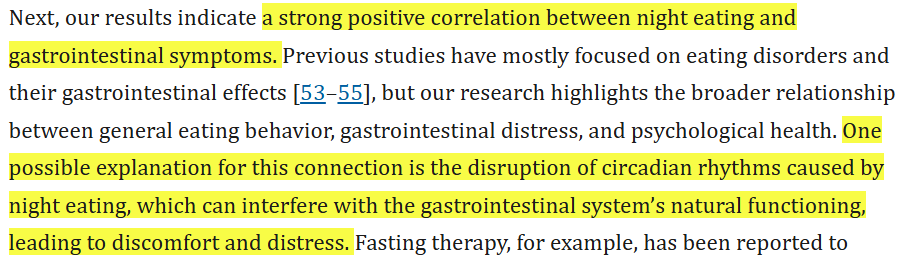
Source: Ekici EM, Mengi Çelik Ö, Metin ZE. The relationship between night eating behavior, gastrointestinal symptoms, and psychological well-being: insights from a cross-sectional study in Türkiye. J Eat Disord. 2025 Jan 24;13(1):14. doi: 10.1186/s40337-024-01158-x. PMID: 39856759; PMCID: PMC11762470.
Irregular Sleep Schedules
Sleep and digestion are closely connected.When sleep patterns change frequently, such as late nights, shift work, or inconsistent bedtimes, the body’s internal clock struggles to maintain stable digestive rhythms.Studies suggest that disrupted sleep cycles can affect gut motility, intestinal sensitivity, and the timing of bowel movements.

Source: Khanijow V, Prakash P, Emsellem HA, Borum ML, Doman DB. Sleep Dysfunction and Gastrointestinal Diseases. Gastroenterol Hepatol (N Y). 2015 Dec;11(12):817-25. PMID: 27134599; PMCID: PMC4849511.
This is one reason why people with irregular sleep schedules often report irregular bowel movements.
Screen Exposure at Night
Late-night screen time may also play a role.
- The blue light emitted from phones, laptops, and televisions can suppress melatonin, the hormone that signals the body to prepare for sleep.
- When melatonin rhythms shift, other biological rhythms, including circadian rhythm and digestion, may also become misaligned.
These shifts can influence digestive timing and intestinal activity.
Chronic Stress
The gut and brain communicate constantly through the gut–brain axis.
- When stress becomes chronic, it can interfere with this communication and affect gut motility.
- Some people experience slowed digestion and constipation, while others notice increased urgency or irregular patterns.
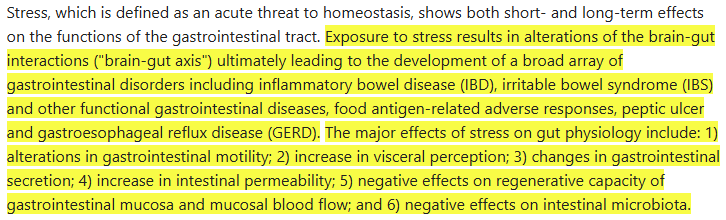
Source: Konturek PC, Brzozowski T, Konturek SJ. Stress and the gut: pathophysiology, clinical consequences, diagnostic approach and treatment options. J Physiol Pharmacol. 2011 Dec;62(6):591-9. PMID: 22314561.
This is why stress is often listed among the common causes of constipation in digestive research.
Sedentary Lifestyle
Movement plays an important role in digestion.
- Physical activity stimulates intestinal contractions, helping waste move through the digestive tract more efficiently.
- When the body remains inactive for long periods, these natural contractions can slow down.
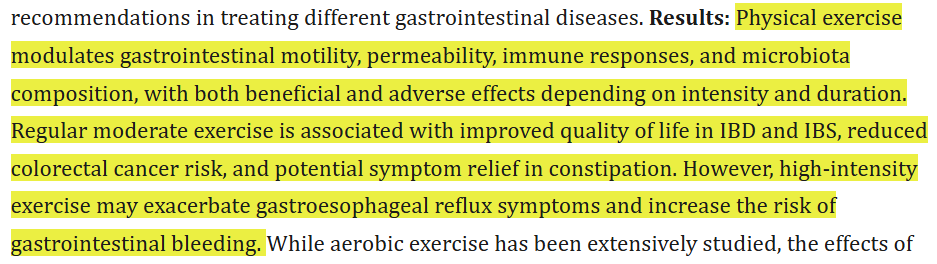
Source: Severo JS, Silva ACAD, Santos BLBD, Reinaldo TS, Oliveira AM, Lima RSP, Torres-Leal FL, Santos AAD, Silva MTBD. Physical Exercise as a Therapeutic Approach in Gastrointestinal Diseases. J Clin Med. 2025 Mar 3;14(5):1708. doi: 10.3390/jcm14051708. PMID: 40095789; PMCID: PMC11899784.
This is one reason doctors often recommend regular movement for improving lifestyle and digestion and maintaining healthy bowel habits.
The good news?
Your gut rhythm is remarkably adaptable.
With the right habits, it can often be retrained and brought back into a healthier cycle.
Why Bowel Habits Often Start in Childhood
Many digestive issues we see in adulthood don’t always begin in adulthood.They often start much earlier, during childhood.In our conversation, Dr. Amit pointed out something very simple yet important: healthy bowel habits need to be trained early in life.
- Children naturally feel the urge to defecate, but they don’t always respond to it.
- Busy school mornings, rushing through routines, or ignoring the urge can gradually disturb their bowel movement timing.
- Over time, repeatedly holding stools can make the colon less responsive, which may lead to irregular bowel habits.
This is why many doctors encourage parents to help children develop a simple routine around elimination.For example, children can be encouraged to:
- Sit on the toilet at a consistent time each day
- Respond to the natural urge to pass stools
- Avoid suppressing the urge repeatedly
The idea is not to force elimination, but to help the body become familiar with a regular rhythm.Think of it like brushing your teeth.At first, it’s something children need to be reminded about. But over time, it becomes automatic.In the same way, consistent bowel habits formed early in life can support healthier digestion and more predictable bowel movement timing later on.
The Best Position for an Easy Bowel Movement
One of the most interesting insights Dr. Amit shared was how you sit on the toilet can significantly affect how easily you pass stools.Most modern bathrooms use Western-style sitting toilets. But from a physiological standpoint, the body was originally designed to eliminate in a squatting position.
- The traditional Indian squat position for pooping naturally aligns the digestive tract in a way that supports smoother elimination.
Here’s why posture matters.
Squatting Changes the Angle of the Rectum
Inside the body, the rectum and anus are connected through a bend called the anorectal angle. When we sit upright on a toilet seat, this angle remains slightly kinked.But when we squat:
- The anorectal angle straightens
- The pelvic floor relaxes more easily
- Waste passes through with less resistance
Research shows that squatting can reduce the need for excessive straining during a bowel movement, making elimination quicker and more complete. This simple change in posture can support better digestive health and help reduce unnecessary pressure on the rectum.

Source: Rahgoshay N, Rahdar M, Nikoo L, Daneshmandi H. Sitting vs. squatting: a scoping review of toilet postures and associated health outcomes. BMC Public Health. 2025 Jul 2;25(1):2192. doi: 10.1186/s12889-025-23379-8. PMID: 40604598; PMCID: PMC12219158.
What If You Use a Western Toilet?
You don’t necessarily need to change your toilet.A simple trick can help mimic the natural squatting posture.
- Place a small stool under your feet while sitting on the toilet.
Elevating the knees slightly above hip level helps recreate the squat position for pooping, improving rectal alignment and making bowel movements easier.
How to Retrain Your Body for a Healthy Morning Poop
If your bowel movement timing feels irregular, a few simple lifestyle changes can help guide your body back toward a more predictable morning bowel movement rhythm.Here are some practical steps that support circadian rhythm and gut health.
Fix Your Sleep Schedule
Going to bed and waking up at consistent times helps stabilize circadian rhythm digestion, which in turn supports more predictable bowel movements.
- Try to sleep and wake up at the same time every day, even on weekends.
- Aim for 7–8 hours of sleep to support overall circadian rhythm and gut health.
- Avoid heavy meals, caffeine, or screens 60–90 minutes before bedtime.
Eat Dinner Earlier
Late dinners can delay the digestive cycle and shift bowel movement timing.
- Finish dinner 2–3 hours before going to bed.
- Keep dinner lighter than lunch to support smoother overnight digestion.
- Avoid very heavy, greasy, or ultra-processed meals late at night.
This allows the digestive system enough time to process food and prepare for elimination the next day.
Hydrate Soon After Waking
Water helps stimulate the digestive tract and supports smoother bowel movement.
- Drink water within 15–20 minutes of waking up.
- Warm water may help stimulate the digestive system gently.
- If helpful, follow it with a short walk or light stretching.
Hydration supports intestinal contractions and improves gut motility.
Eat a Consistent Breakfast
Your first meal activates the gastrocolic reflex, which signals the colon to start contracting.
- Eat breakfast within 30–60 minutes of waking up.
- Include fiber-rich foods such as fruits, oats, seeds, or whole grains.
- Try to eat breakfast at roughly the same time every day.
This helps train your digestive system to expect elimination earlier in the day.
Move Your Body in the Morning
Physical movement stimulates gut motility and helps waste move through the intestines.Simple activities like:
- Walking
- Light stretching
- Practicing Malasana for digestion
…can activate abdominal muscles and encourage intestinal movement.

Malasana pose for digestion | Image Credits: Freepik
Practice Proper Technique During Elimination
Dr. Amit Maydeo also emphasizes the importance of how you pass stools.A few small adjustments can make the process easier:
- Sit comfortably and avoid rushing
- Pull the stomach slightly inward
- Relax the anal sphincter
- Avoid excessive straining
- Allow natural abdominal pressure to do the work
Excessive straining can worsen certain constipation causes and put unnecessary pressure on the rectum.
Manage Stress to Support Healthy Bowel Movements
Stress doesn’t just affect your mind; it directly affects your bowel movement timing, too.The key is helping the body return to its natural “rest and digest” state, where digestion and elimination can function smoothly.Simple daily practices can help calm the nervous system:
- Deep belly breathing for 4–5 minutes a few times a day
- Mindfulness or yoga nidra before bedtime
- Disconnecting from devices at night to allow the body to wind down
- Spending time outdoors, walking in sunlight or natural surroundings
And there’s more: Luke’s book, The Calm Prescription, goes deep into daily tools like these—75 science-backed, no-gadget-needed habits to help you shift out of ‘fight or flight’ and into real healing. Check it out and order your copy to start your journey to calm today.When the body feels safe and relaxed, digestion tends to work more efficiently, and your gut rhythm can return to a more natural flow.When practiced consistently, these small changes can gradually bring lifestyle and digestion back into alignment, helping your gut return to a smoother daily rhythm.
When Should You See a Doctor?
Occasional changes in bowel movement timing are common and usually not a cause for concern. Travel, stress, changes in diet, or disrupted sleep can temporarily affect your digestive health.However, certain symptoms should not be ignored.If you experience any of the following signs consistently, it’s important to consult a healthcare professional:
- Persistent constipation that lasts for several weeks
- Blood in the stools or very dark stools
- Severe or persistent bloating that does not improve
- A sudden change in bowel habits without a clear reason
- Ongoing irregular bowel movements accompanied by abdominal pain or discomfort
The key is to pay attention to patterns and persistence.If a digestive symptom continues for weeks, worsens over time, or significantly affects your daily comfort, it’s always better to seek medical guidance. Early evaluation can help identify the cause and support better digestive health in the long run.
The Last Word
When it comes to digestion, there is no single rule that fits everyone.While many people experience a natural morning bowel movement, the reality is that digestive health is deeply individual. What matters most is not forcing your body into a rigid schedule, but understanding and respecting your own bowel habits.Each person’s digestive system responds differently to food, sleep, stress, and daily routines.What truly supports long-term digestive health is aligning your lifestyle and digestion with the body’s internal clock.Because in many ways, digestion is a reflection of how well we live in sync with our bodies.The more you listen to your body’s natural rhythm, the easier it becomes for your gut to do what it’s designed to do: digest, absorb, and eliminate with ease.Disclaimer: This blog is for informational purposes only and is not a substitute for medical advice, diagnosis, or treatment. Always consult with your doctor, healthcare practitioner, or a certified nutrition expert before making changes to your nutrition, lifestyle, or supplement routine, especially if you have a medical condition or are on medication.
Struggling with irregular bowel habits or gut health issues?
We’re here to support YOU every step of the way.
Set up a one-on-one consultation with our foundational medicine team or enroll in our specialized Gut Care Program for personalized solutions.
Reach out to us at 1800 102 0253 or write to us at [email protected].