No products in the cart.
A science-backed guide to eating smarter without overhauling your culture or your kitchen.
Imagine this.
It is 7 PM. Dinner is on the table. There is rice, dal, sabzi, maybe a roti or two. It looks exactly like every meal you have grown up eating.
And somewhere in the back of your mind, there is a quiet guilt asking: Should I even be eating this?
This is the reality for millions of Indians trying to manage diabetes or prevent it.
The advice they often receive feels impossible to sustain.
Eat less.
Avoid carbs.
Stop eating rice.
Give up sugar.
As if decades of food tradition can be replaced overnight with salads and quinoa bowls.
But managing blood sugar is not about eating less. It is about eating smarter.
Small, realistic food swaps within the meals you already love can help reduce glucose spikes, improve insulin sensitivity, may lower inflammation, and support long-term metabolic health.
This is not about restriction.
It is about building a plate that works for your body.
These 7 food swaps are simple, practical, and rooted in Indian kitchens.
Because sustainable health does not come from perfection.
It comes from repetition.
1. Swap White Rice for Smarter Grains
Polished white rice → Swap with foxtail millet, barnyard millet, little millet, jowar, or hand-pounded rice
White rice is one of the most common staples in Indian households, but it is also one of the fastest to raise blood sugar.
Polishing removes the bran and germ, leaving behind mostly starch that converts quickly into glucose. This causes a rapid spike, followed by an energy crash and hunger soon after.
Instead of eliminating rice completely, let’s upgrade it.
Foxtail millet, barnyard millet, little millet, jowar, and even hand-pounded rice digest slower because they contain more fibre, minerals, and resistant starch.
A systematic review found millets had a significantly lower glycemic index than white rice and helped improve fasting and post-meal blood sugar levels [1].
Start by replacing white rice two to three times a week. Pair it with dal, sabzi, and protein, and eat your vegetables first.
Food sequencing matters.
Learn more about millets here
2. Swap Maida for Millet-Based Alternatives
White flour rotis, biscuits, pav → Swap with jowar, bajra, ragi, and whole grain preparations
Maida quietly sits in biscuits, bakery bread, pav, khari, and many packaged snacks, we are not even aware of. It digests fast, spikes insulin quickly, and leaves you hungry again just as fast.
Jowar, bajra, and ragi are far healthier alternatives because they digest slower and support better blood sugar control.
Bajra is rich in magnesium, which supports insulin function. Ragi improves glucose tolerance, while jowar brings fibre and better satiety.
Studies show millet-based multigrain rotis can improve HbA1c and lipid profiles in people with type 2 diabetes [2].
Start by replacing just one roti a day. Even that makes a difference.
3. Swap Fruit Juice for Whole Fruit
Fresh juice or packaged juice → Swap with whole fruit
Fruit juice is often marketed as healthy, but metabolically, it behaves very differently from whole fruit.
When you juice fruit, you remove the fibre and keep the sugar.
That means faster absorption, sharper glucose spikes, and less satiety.
Whole fruit works differently. The fibre slows digestion, improves fullness, and supports gut health, which also affects insulin sensitivity.
A large study found that replacing fruit juice with whole fruit reduced diabetes risk significantly [3].
Eat the fruit. Do not drink it. Chew slowly. Your metabolism notices.
4. Swap Sugary Chai for Functional Tea
Multiple cups of sweet chai → Swap with cinnamon chai, ginger tea, or tulsi brew
3 cups of chai with sugar every day adds up faster than most people realize.
That daily sugar load increases insulin resistance, inflammation, and cravings.
The goal is not to give up chai. It is to change how you make it.
Cinnamon has been shown to improve fasting blood glucose and insulin sensitivity. Ginger helps reduce inflammation, while tulsi supports stress and cortisol balance.
A meta-analysis found cinnamon significantly improved blood sugar markers in people with type 2 diabetes [4].
Start by reducing sugar gradually. Your palate adapts.It always does.
5. Swap Potato-Heavy Sabzis for Karela, Lauki, and Methi
Daily potato sabzis → Swap with karela, lauki, methi, and bitter greens
Potatoes are not bad, but when they become the base of every sabzi, they create a consistently high glycemic load.
Karela, methi, and lauki offer a better balance.
Karela contains compounds that support insulin activity. Methi helps slow carbohydrate absorption and supports glucose control. Lauki is low glycemic and supports hydration and kidney health.
Research shows both fenugreek and bitter melon help reduce fasting and post-meal blood sugar levels [5][6].
Rotate them into your meals 3 to 4 times a week.
Sometimes the best medicine is already in your kitchen.
6. Swap Fried Snacks for Roasted and Sprouted Options
Namkeen, chips, pakoras → Swap with roasted chana, makhana, sprouts
Deep-fried snacks do two things: they increase calories quickly and promote inflammation that worsens insulin resistance.
Roasted chana is rich in protein and fibre with a low glycemic index. Makhana offers crunch without the metabolic stress of repeated frying.
Sprouts are even better.
Sprouting improves mineral absorption, reduces antinutrients, and lowers glycemic load.
A simple sprouted moong chaat can be one of the smartest snacks for blood sugar balance [7].
Your snack should stabilize your energy, not trigger the next craving.
7. Swap White Bread for Real Sourdough or Dense Whole Grain Bread
White bread and pav → Swap with true sourdough or dense multigrain bread
White bread behaves almost like sugar inside the body.
It digests quickly and creates rapid glucose spikes, especially when eaten alone.
Real sourdough is different.
Its slow fermentation improves digestibility, lowers glycemic response, and supports better nutrient absorption.
Dense whole grain breads with visible grains and seeds are also far better than soft “multigrain” breads that are mostly refined flour in disguise.
Studies show sourdough improves post-meal blood sugar response compared to regular bread [8][9].
Always read the ingredient list. If maida is one of the first ingredients, it is not helping you.
The Bigger Picture
Every one of these 7 swaps works through one simple principle: slowing down how quickly glucose enters your bloodstream.
When glucose enters slowly, insulin works better. Energy stays stable. Hunger stays stable. Your body feels less stressed, and over time, your metabolic health improves.
But food is only one part of the picture.
A 10-minute walk after meals can significantly help improve post-meal blood sugar levels. Better sleep supports hormone balance and reduces cortisol spikes that can affect glucose control. Stress management matters just as much, because emotional eating and chronic stress are often silent drivers of blood sugar imbalance.
Blood sugar is not just about sugar. It is about your entire lifestyle.
Start with one swap this week, not all seven. Choose one habit. Repeat it. Let it become normal.
That is how real metabolic change happens. Not through guilt. Not through restriction. But through consistency, awareness, and deep respect for how your body actually works.
Disclaimer
This article is intended for general educational and informational purposes only and should not be considered medical advice, diagnosis, or treatment.
If you are managing diabetes, prediabetes, insulin resistance, or are on medication such as insulin or oral hypoglycemic drugs, always consult your doctor, registered dietitian, or qualified healthcare provider before making significant dietary changes.
Ready to Take Charge of Your Health?
Build a sustainable foundation through food, sleep, movement, emotional balance, and expert support.
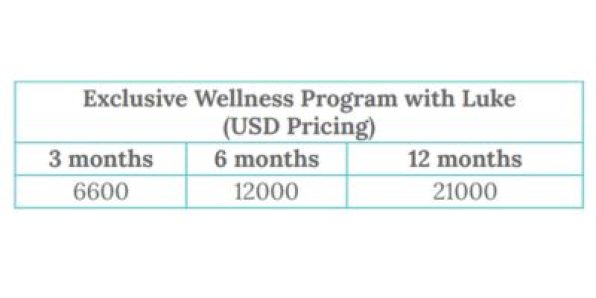
Start your journey with our Wellness Program that builds the foundation your body needs.
Need personalized help to achieve your wellness goals?
Book a one-on-one consultation with Team Luke to create a plan tailored to your unique journey.
📞 Call us at 1800 102 0253
📧 Or write to us at [email protected]