No products in the cart.
The problem almost never lives on your plate alone. Here is what is actually getting in the way.
We hear this constantly. People eat clean, load up on fiber, avoid junk, and still struggle to have one good bowel movement a day. If this is you, understand something important: your gut is not broken. But something in your lifestyle is not aligned, and it is rarely just the food.
01. HYDRATION
Source: AI
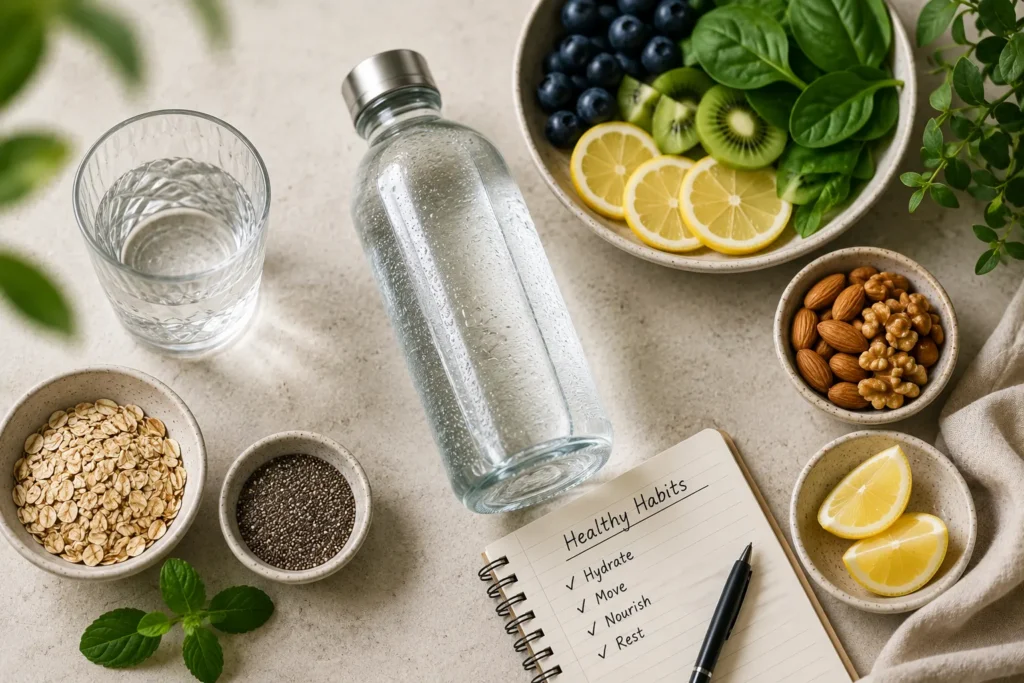
You Might Be Drinking Water, But Not Hydrating
There is a difference between drinking water and your cells actually absorbing it. The large intestine’s job is to absorb water and compact waste into stool. When you are even mildly dehydrated, your colon pulls extra water from whatever is passing through, and the result is hard, dry, difficult-to-pass stool.
Most people do not drink enough water to begin with. But even those who think they do often drink it the wrong way: gulping it quickly, drinking it ice cold, or consuming large amounts alongside meals. This can interfere with proper absorption. Adding a high-fiber diet on top of poor hydration may actually worsen constipation rather than improve it. Fiber without water is like trying to sweep a floor with a dry mop.
WHAT TO DO
- Start your morning with two glasses of warm or room-temperature water before consuming anything else, including coffee or tea. This stimulates the gastrocolic reflex, your gut’s natural morning signal to move.
- Add a small pinch of rock salt or a squeeze of lemon to your morning water to improve cellular uptake.
- Space your water intake between meals rather than during meals. Large amounts of water with meals may dilute digestive enzymes and stomach acid.
- Herbal teas such as ginger, fennel, and licorice root can contribute toward hydration and may also support gut motility.
Disclaimer: Individuals with kidney, heart, or liver conditions, or those on medically prescribed fluid restrictions, should consult their healthcare provider before significantly increasing water intake.
02. ELECTROLYTES

Source: AI
The Mineral Gap Nobody Talks About
Water movement in and out of your intestinal cells is governed by electrolytes, specifically sodium, potassium, and magnesium. Magnesium is the mineral most directly linked to constipation. It draws water into the colon and relaxes the smooth muscle lining of the intestines, both of which are required for healthy bowel movements.
Magnesium levels may be depleted by stress, excess sugar, alcohol, processed foods, and intense exercise. Many people eating well may still be magnesium deficient because modern soil is less mineral-rich than it used to be. Potassium, found in bananas, leafy greens, and coconut water, is equally important for maintaining gut muscle function.
WHAT TO DO
- Include magnesium-rich foods daily, such as pumpkin seeds, dark leafy greens, almonds, black beans, and dark chocolate with more than 70% cacao.
- Add coconut water or a homemade electrolyte drink (water, lemon, pink salt, and a small amount of honey) to your routine, especially if you exercise or sweat frequently.
- Reduce factors that may deplete magnesium, including excess sugar, high caffeine intake, and chronic stress.
03. GUT MOTILITY

Source: AI
Your Gut Needs to Move to Keep You Moving
Gut motility refers to the coordinated muscle contractions that push food through your digestive tract. This process, called peristalsis, helps move everything along efficiently. When gut motility slows, stool remains in the colon longer, more water is absorbed from it, and it becomes harder to pass.
Physical movement is one of the strongest stimulants of gut motility. Walking creates gentle abdominal pressure that supports intestinal movement. A sedentary lifestyle is one of the most underrecognized contributors to chronic constipation, regardless of diet quality.
WHAT TO DO
- Walk for at least 10 to 15 minutes after meals, particularly after lunch or dinner.
- Practice abdominal massage daily. Massage the abdomen in a clockwise direction for five minutes each morning using gentle but firm pressure.
- Yoga poses such as wind-relieving pose, child’s pose, and seated twists may help stimulate bowel movement.
- Avoid suppressing the urge to pass stool. Repeatedly ignoring this signal may reduce rectal sensitivity over time.
- Use a stool under your feet while on the toilet to create a squatting position. This may help relax the puborectalis muscle and support easier elimination.
04. STRESS

Source: AI
Your Brain and Your Gut Are Having the Same Conversation
The gut-brain axis is a real, two-way communication pathway between your brain and digestive system. Your gut has its own nervous system, called the enteric nervous system, containing over 500 million neurons. It responds to your emotional state as much as it responds to food.
When you are stressed, your body activates the sympathetic nervous system, commonly known as the fight-or-flight response. Digestion is not prioritized in this state. Blood flow is redirected away from the gut, digestive enzymes decrease, and gut motility slows down. Chronic low-grade stress is one of the most common drivers of functional constipation.
WHAT TO DO
- Practice diaphragmatic (belly) breathing for five minutes before meals. This activates the parasympathetic nervous system, which supports digestion.
- Avoid eating in a hurry, while scrolling on your phone, or while working.
- Prioritize sleep. Poor sleep can elevate cortisol levels and negatively affect gut motility. Aim for seven to eight hours of quality sleep each night.
- Practices such as journaling, meditation, and short walks in natural light may help reduce physiological stress.
05. THYROID

Source: AI
When Constipation Is a Symptom, Not the Root Problem
Chronic constipation that does not improve with dietary and lifestyle changes may require deeper investigation. The thyroid gland regulates metabolic rate, including the speed of digestion. Hypothyroidism, including subclinical hypothyroidism, is one of the commonly overlooked causes of persistent constipation.
Other signs of an underactive thyroid may include fatigue, unexplained weight gain, hair thinning, cold hands and feet, brain fog, and low mood. If multiple symptoms occur alongside constipation, it may be worth discussing further evaluation with a healthcare professional.
WHAT TO DO
- Speak to your healthcare provider about a comprehensive thyroid panel, including TSH, free T3, free T4, and thyroid antibodies (TPO and TgAb).
- Support thyroid health through nutrition, including selenium-rich foods such as Brazil nuts, iodine-rich foods such as eggs and seaweed, and zinc-rich foods such as pumpkin seeds and legumes.
- Avoid consuming excessive amounts of raw cruciferous vegetables if thyroid concerns are suspected. Cooking them may help reduce goitrogenic compounds.
- If you are already on thyroid medication and symptoms persist, consult your physician regarding ongoing management.
06. ULTRA-PROCESSED FOODS
Source: AI
What Is “Healthy” on the Label May Not Be Healthy for Your Gut
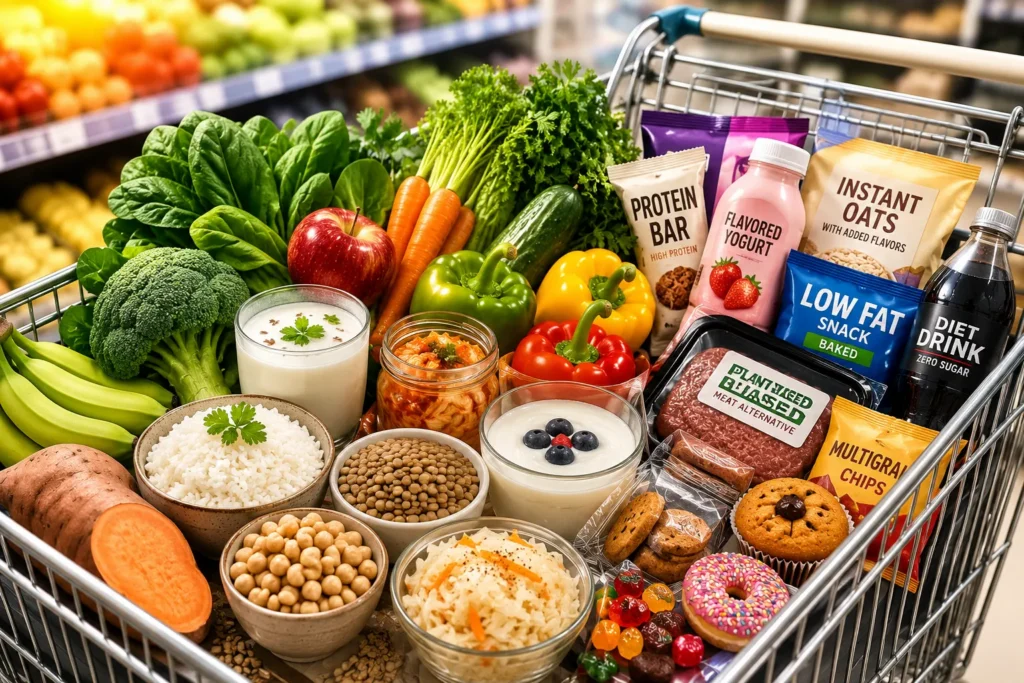
Ultra-processed foods are not limited to fast food and chips. They may also include products marketed as healthy, such as protein bars, flavored yogurts, packaged oats with additives, low-fat snacks, diet drinks, and plant-based meat alternatives.
Certain additives commonly found in ultra-processed foods, including carrageenan, polysorbate 80, carboxymethylcellulose, and artificial sweeteners, have been studied for their potential impact on the gut microbiome and intestinal health. Since gut bacteria play an important role in motility, disruptions to the microbiome may contribute to digestive symptoms, including constipation.
WHAT TO DO
- Read ingredient lists, not just nutrition labels. Simpler ingredient lists are generally preferable.
- Prioritize whole food sources of fiber such as cooked and cooled rice, oats, lentils, beans, sweet potato, and green bananas.
- Include fermented foods such as homemade yogurt, buttermilk (chaas), kimchi, and sauerkraut to support microbiome diversity.
- Be mindful of artificial sweeteners such as sorbitol, xylitol, erythritol, and sucralose if you experience digestive discomfort.
- Increase whole food fiber gradually over two to four weeks to minimize bloating and gas.
One Conversation Before You Go
Constipation is often a signal that something may be out of balance. Not just your diet, but also your hydration, mineral intake, movement, stress levels, and sleep. Start with one small, sustainable change and stay consistent with it. Give your body time to respond.
The most important nutrient is the one your body can actually absorb. Start there.
Book a one-on-one consultation with our integrative team or explore our Gut Health Program for personalized support.
Call us at 1800 102 0253 or write to us at [email protected].
Disclaimer
This article is intended for educational and informational purposes only and should not be considered medical advice, diagnosis, or treatment. Always consult your physician or qualified healthcare provider before making significant dietary, supplement, or lifestyle changes, especially if you have an existing medical condition or are taking medication.