No products in the cart.
If you or someone you love is going through cancer treatment, chances are you’ve heard this more than once:
“Eat more protein.”
And that advice is not wrong.
But it is incomplete.
There’s a big difference between eating protein and your body actually using that protein, and understanding this difference could change the way you approach cancer recovery entirely.
Let’s break it down, simply and honestly.
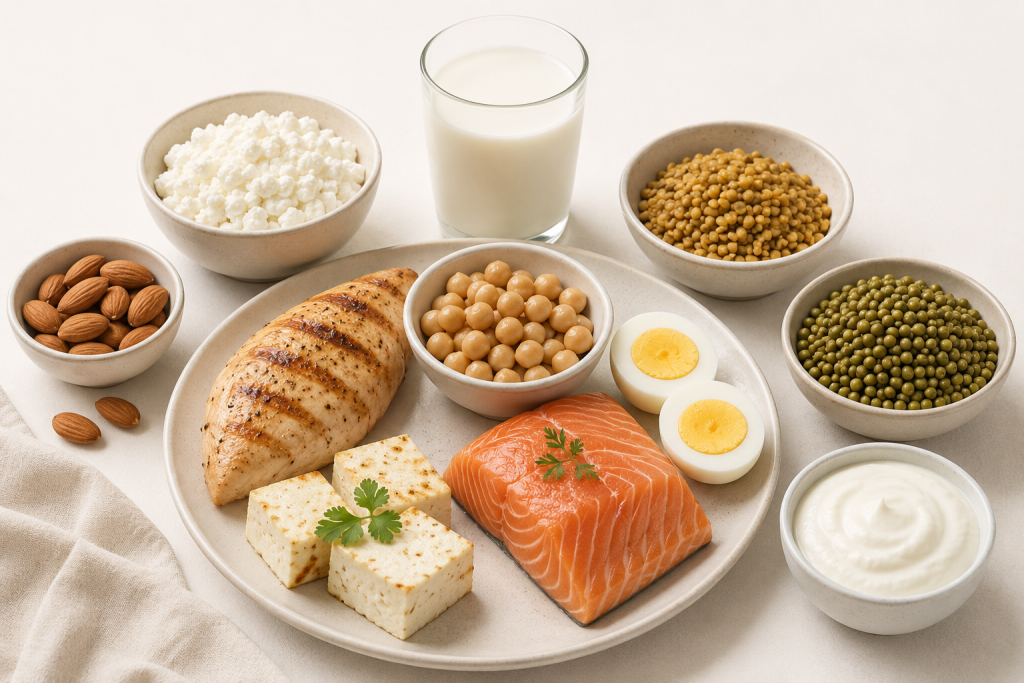
AI-generated image
Why Protein Matters in Cancer Recovery
Protein is genuinely important during cancer treatment. Here’s what it does:
- Prevents muscle loss (a condition called cachexia, common in cancer patients)
- Supports your immune system to fight harder
- Helps repair tissue damaged by chemotherapy or radiation
- Improves how well your body tolerates treatment
Leading clinical nutrition guidelines from ESPEN (European Society for Clinical Nutrition and Metabolism) recommend around 1.2 to 1.5 grams of protein per kilogram of body weight per day for cancer patients.
So yes, protein for cancer patients is essential. No debate there.
But here’s where most conversations stop, and where they really should continue.
The Piece Nobody Talks About: Protein Alone Cannot Build Muscle
This is basic human physiology, and yet it’s rarely explained to patients.
Muscle is not built by protein alone.
Muscle is built through a combination of two things:
| What You Need | What It Does |
| Protein (amino acids) | Provides the raw material |
| Mechanical stimulus (movement) | Triggers muscle protein synthesis (MPS) |
Without movement, your body has no signal to use that protein for muscle building.
- In sedentary individuals, especially those dealing with illness, a condition called anabolic resistance sets in.
- This means your body becomes less efficient at converting protein into muscle, even when you’re eating plenty of it.
So the protein you’re consuming may end up being used for energy or other metabolic processes instead of preserving or rebuilding muscle.
Think of it this way: Protein is the brick. Movement is the instruction to build something. Without the instruction, the bricks just sit there.
What Science Actually Says About Protein and Movement
The research on this is consistent and compelling.
- A landmark study demonstrated that resistance exercise significantly enhances muscle protein synthesis, even at lower protein doses, compared to protein intake alone in sedentary individuals. (PMID: 20581041)
- A review confirmed that cancer patients who combined nutritional support with even light physical activity had better muscle retention, reduced fatigue, and improved quality of life compared to those who received nutrition alone.

Source: Dinas, P. C., On Behalf Of The Students Of Module Introduction To Systematic Reviews, Karaventza, M., Liakou, C., Georgakouli, K., Bogdanos, D., & Metsios, G. S. (2024). Combined Effects of Physical Activity and Diet on Cancer Patients: A Systematic Review and Meta-Analysis. Nutrients, 16(11), 1749. https://doi.org/10.3390/nu16111749
- Research from found that exercise during chemotherapy reduced cancer-related fatigue significantly, one of the most debilitating chemotherapy side effects patients face.
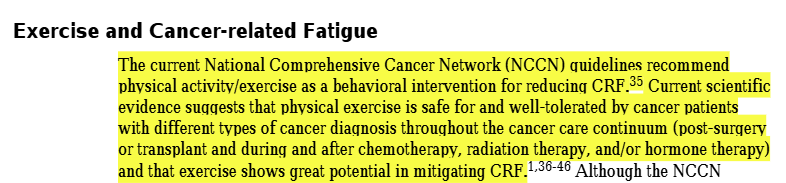
CRF – Cancer-related Fatigue
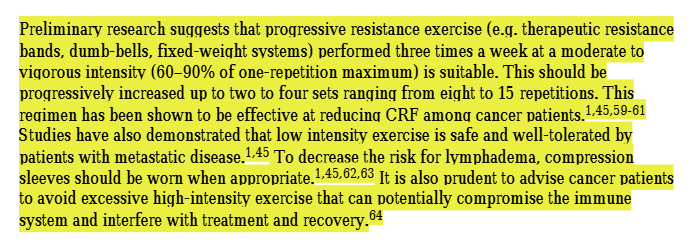
Source: Mustian, Tom, et al. (2009). Exercise and Cancer-related Fatigue. US oncology. 5. 20-23. 10.17925/OHR.2010.06.0.20.
- Another study showed that gut health and inflammation directly impact protein absorption and muscle preservation in cancer patients, reinforcing the need for a whole-body approach. (Arends J, et al. Clin Nutr. 2021;40(5):2898-2913)
The message from science is clear: movement and recovery go hand in hand with nutrition.
The Second Hidden Problem: Digestion and Antacids
Here’s something that doesn’t get nearly enough attention.
Many cancer patients are prescribed antacids or PPIs (Proton Pump Inhibitors) during treatment to manage nausea, acid reflux, or gastric discomfort. And in many cases, these medications are necessary.
But here’s the physiological reality:
Protein digestion begins in the stomach.
- Your stomach acid activates an enzyme called pepsin, which is responsible for breaking down protein into usable amino acids.
- When stomach acid is reduced, because of PPIs or antacids, pepsin cannot do its job properly.
The result:
- Poor protein breakdown
- Reduced amino acid availability for the body
- Bloating and gut discomfort
- Poor nutrient absorption overall
This leads to what we call a vicious cycle in cancer nutrition:
More protein is prescribed
↓
Digestion is compromised
↓
Absorption is reduced
↓
Gut discomfort increases
↓
Patient eats less
↓
Muscle loss continues
This is not a failure of the patient. It is a gap in the system.
And this is exactly where Foundational Medicine steps in.
The Foundational Medicine Approach: Build the Body’s Internal Environment
Luke has consistently emphasized one principle across his work with cancer patients:
Treatment fights disease. Foundations help the body win.
In Foundational Medicine, we don’t remove prescribed medication or challenge your oncologist’s advice. We work alongside it, by creating the internal conditions where your body can actually absorb and use what it’s being given.
Want to learn how foundational medicine can help support cancer care, read this:
Why Foundational Medicine Is the Missing Link in Modern Cancer Care
Here’s what that looks like in practice
1. A Smarter Protein Strategy
Not more. Smarter.
- Moderate increases spread across all meals, not loaded into one
- Easy-to-digest sources: dal, curd, soft-cooked eggs, moong, fish (as tolerated)
- Avoid protein overload in a single sitting, your gut can only absorb so much at once
- Warm, freshly cooked foods are easier on a compromised digestive system
2. Movement, Even the Smallest Kind, Counts
You do not need to hit the gym. You need to move.
Even during chemotherapy, movement improves how your body uses protein for muscle protein synthesis. Options include:
- Bed mobility exercises for those with very low energy
- Light walking for 5 to 10 minutes, even indoors
- Assisted gentle strength movements with a caregiver or physiotherapist
- Stretching and breathwork
Studies on resistance training for cancer patients show that even gentle, progressive movement significantly reduces muscle loss and cancer fatigue.
Small movement is not “too little.” It is the beginning of recovery.

Image Credits: Magnific
3. Support Digestive Health During Chemotherapy
Naturally and gently, without stopping any prescribed medication.
- Eat slowly and mindfully, digestion starts in the mouth
- Choose warm, cooked, easy-to-digest meals
- Incorporate digestive-supportive foods: ginger, cumin (jeera), ajwain in small amounts
- Avoid large protein portions in one sitting
- Stay hydrated between meals, not during
Important: Never stop antacids or PPIs without explicit guidance from your doctor. The goal is to support digestion alongside medication, not replace it.
4. Address Inflammation and the Nervous System
Chronic stress and poor sleep directly worsen both muscle breakdown and protein absorption.
When the body is in a stressed state, cortisol rises, and cortisol is catabolic. It literally breaks down muscle.
Cancer patients need:
- Quality sleep (non-negotiable for recovery)
- Breathwork and nervous system regulation
- Emotional support, from family, community, or professional guidance
- Reduced unnecessary inflammation through food, rest, and mindset
This is not “soft” advice. Gut health and cancer recovery, inflammation and cancer outcomes, are deeply connected through research and through the lived experience of thousands of patients Luke and his team have worked with.
Putting It All Together: The Full Picture of Cancer Recovery
| What’s Prescribed | What’s Often Missing |
| High protein intake | Movement to activate muscle protein synthesis |
| Antacids for gut comfort | Digestive support for protein absorption |
| Chemotherapy / radiation | Nervous system recovery and sleep |
| Nutritional supplements | Gut health to absorb those nutrients |
Cancer recovery is not a single lever.
It is not just chemotherapy. It is not just protein. It is not just rest.
It is the internal environment of the body: the digestive health, the inflammation levels, the nervous system state, the movement capacity, all working together to give your treatment the best possible environment to do its job.

Image Credits: Magnific
The Last Word
Protein is essential for cancer patients. Absolutely.
But protein without movement, proper digestion, recovery, and emotional balance is like delivering bricks to a construction site with no workers and no blueprint.
The bricks sit. Nothing gets built.
Foundational Medicine asks a different question. Not just “how much protein?” but “is the body in a state where it can actually use this protein?”
That shift in thinking changes everything.
Take your treatment. Trust your doctors. And then, build your foundation.
Because when the internal environment is right, healing becomes possible in ways that numbers on a prescription alone cannot guarantee.
Disclaimer: The information provided here is for educational and informational purposes only. It is not intended as a substitute for professional medical advice, diagnosis, or treatment. Always consult your healthcare provider before making changes to your nutrition, lifestyle, or healthcare regimen, especially if you have existing medical conditions or are taking prescribed medications.
Looking for support through cancer?
We help you find a way.
Set up a one-on-one consultation with our foundational medicine team or explore our Cancer Care Program with Luke’s Senior Team/Luke’s Team for personalized solutions.
Reach out to us at 1800 102 0253 or write to us at [email protected].