No products in the cart.
Every week, we hear of young athletes collapsing mid-race, professionals suffering cardiac arrests at the office, or seemingly healthy people dropping dead in the gym. The fear is real. Parents worry when their teens step into the gym. Adults in their 40s and 50s wonder if they’re ‘too late’ to start. Seniors eager to pick up sports hesitate with anxiety. This is why simple preventive steps, like regular heart tests, are becoming so crucial before beginning or intensifying any fitness journey.
Here’s the truth: It isn’t the workout that kills. It’s starting without an engine check—your heart.
Exercise is powerful medicine. But just as you wouldn’t drive a car cross-country without checking its engine, you shouldn’t push your body without first understanding your cardiac health.
Science shows that up to 80% of exercise-related sudden cardiac deaths are preventable with proper screening (Journal of the American College of Cardiology, 2019).
Before starting a gym regimen—especially if you’re at risk of cardiac issues—a combination of cardiology-focused tests, sports nutrition assessments, and research-backed evaluations can ensure safety and optimize performance.
So, what are some of these essential tests you may be missing?
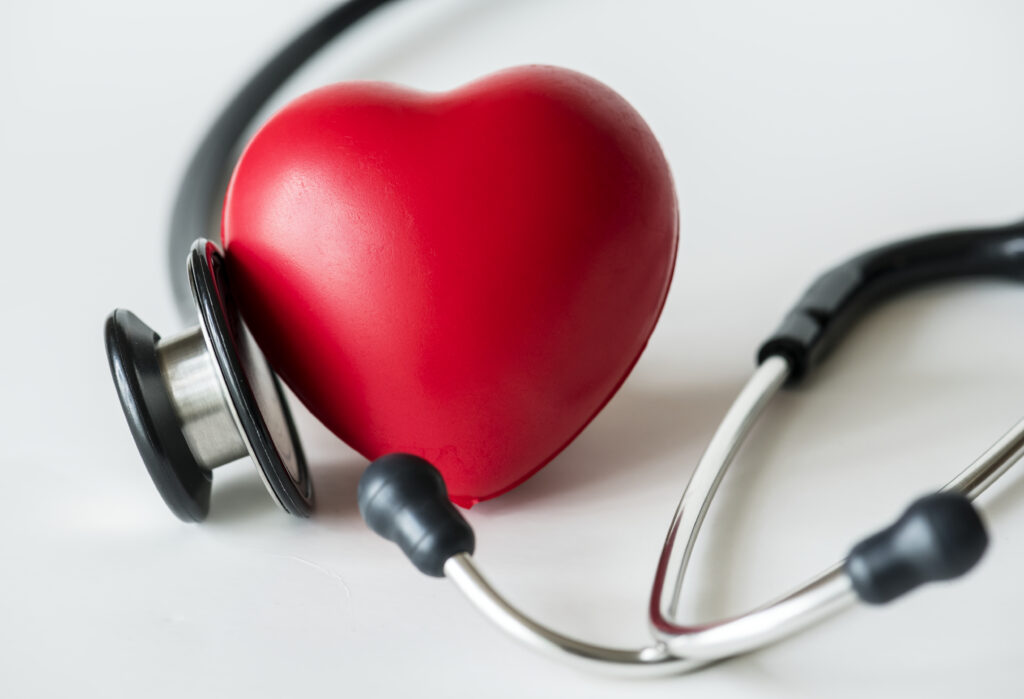
Representational image only. Photo credits: Freepik
Cardiology-Focused Tests
Electrocardiogram (ECG/EKG)
An ECG is a simple, non-invasive test that records your heart’s electrical activity. It helps detect:
- Abnormal rhythms (arrhythmias)
- Prior, silent heart damage
- Structural conditions like hypertrophic cardiomyopathy (HCM)—the leading cause of sudden cardiac arrest in young athletes.
📊 Research shows that ECGs can identify 60–90% of abnormalities linked to sudden cardiac death (American Heart Association, 2020).
👉 Who should get it?
Anyone with a family history of sudden cardiac death, unexplained fainting, palpitations, or chest pain.
Echocardiogram
An echocardiogram (or “echo”) is an ultrasound of the heart. It creates real-time images of your heart to assess:
- Structure (heart wall thickness, chambers, valves)
- Pumping efficiency (how well blood is being circulated)
💡 Why it matters: An echo can catch conditions that an ECG may miss, such as valve disease or dilated cardiomyopathy—both linked to exercise-related cardiac risk.
📊 Research backs its role in athlete screening and early detection of hidden issues (Journal of the American College of Cardiology, 2019).
👉 Who should get it?
- Anyone with abnormal ECG results
- People experiencing unexplained shortness of breath, fatigue, or chest discomfort
Stress Test (Exercise ECG)
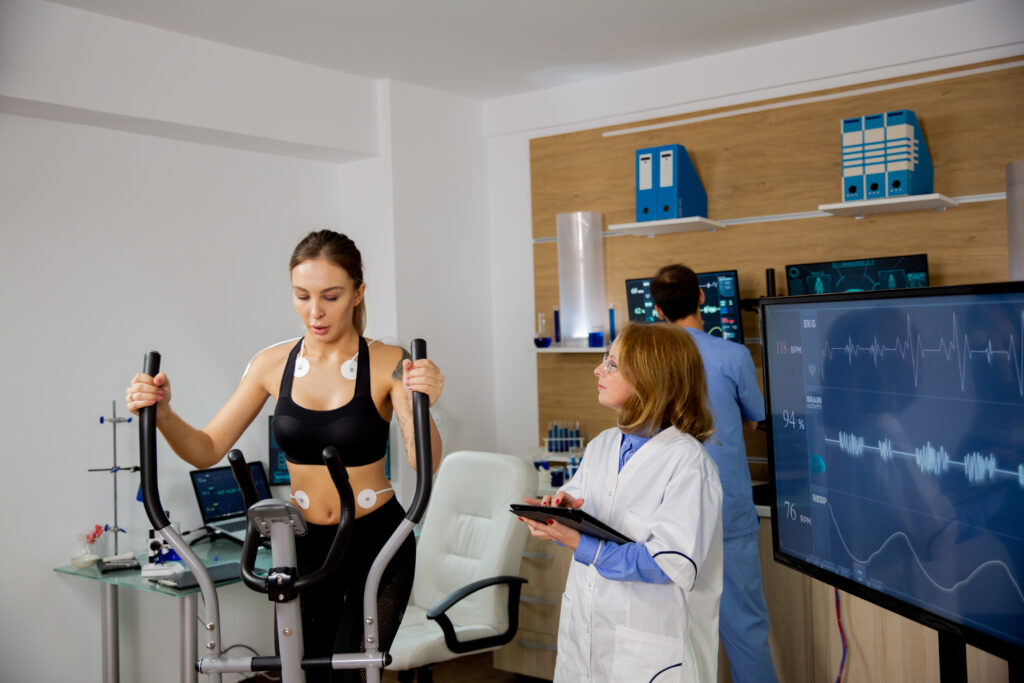
Representational image only. Photo credits: Freepik
A stress test tracks your heart’s electrical activity while you exercise—usually walking or running on a treadmill. It helps reveal problems that don’t show up at rest, such as:
- Ischemia (reduced blood flow to the heart)
- Exercise-induced arrhythmias (abnormal rhythms triggered by exertion)
💡 Why it matters: Many cardiac events strike during activity, not while resting. A stress test simulates that pressure to uncover hidden risks.
📊 Studies confirm its importance, especially in older adults and at-risk groups (European Heart Journal, 2021).
👉 Who should get it?
- Anyone over 35 beginning a vigorous exercise program
- People with risk factors like hypertension, diabetes, obesity, or smoking history
Cardiac Biomarkers
These are simple blood tests that measure proteins released by the heart under stress or damage. The two most important are:
- Troponin → signals heart muscle injury or strain, even at very early stages.
- BNP (B-type natriuretic peptide) → indicates heart failure risk and how well the heart is handling pressure.
💡 Why it matters: Sometimes, the heart is under silent stress that ECGs or scans may miss. Elevated biomarkers can act as an early red flag before symptoms even appear.
📊 Evidence:
- High-sensitivity troponin tests can detect microscopic levels of damage linked to sudden cardiac events (Circulation, 2022).
- Elevated BNP levels are strongly tied to future heart failure risk, even in otherwise healthy adults (European Heart Journal, 2020).
👉 Who should get it?
- People with known heart disease or unexplained fatigue, shortness of breath, or chest discomfort
- Athletes or individuals pushing high-intensity training, especially if they have risk factors (family history, diabetes, high blood pressure)
Lipid Profile & Advanced Markers
A lipid profile is a blood test that measures cholesterol and triglycerides, along with blood pressure checks. These are the basics of cardiovascular risk screening.
💡 Why it matters: High LDL cholesterol and triglycerides, combined with high blood pressure, silently damage arteries and dramatically raise the risk of heart attacks during exercise.
To go deeper, also check advanced markers like:
- Lp(a) → a genetic cholesterol marker strongly linked to early heart disease.
- ApoB → gives a more accurate picture of artery-clogging particles than LDL alone.
To check for inflammation and arterial health combine hs-CRP or calcium scoring (doctor-advised)
- hs-CRP (high-sensitivity C-reactive protein) → measures inflammation in the body, a key driver of atherosclerosis.
- Calcium scoring (on doctor’s advice) → shows how much plaque buildup already exists in coronary arteries.
📊 The American College of Sports Medicine (2021) recommends lipid and blood pressure screening as baseline essentials before vigorous training.
👉 Who should get it?
- Everyone, especially those with a family history of heart disease, diabetes, obesity, or smoking.
- Athletes or gym-goers looking to understand their long-term cardiac risk.
Cardiac MRI (if needed)
A cardiac MRI uses high-resolution imaging to give a detailed look at the heart’s structure and tissue. It can reveal:
- Subtle structural abnormalities
- Scar tissue or fibrosis that weaker tests might miss
- Blood flow patterns and hidden muscle damage
💡 Why it matters: While not needed for everyone, cardiac MRI is invaluable when ECG or echocardiogram results are unclear, or when doctors suspect deeper issues.
📊 Research confirms its role in diagnosing silent heart damage in high-risk groups (Sports Medicine, 2023).
👉 Who should get it?
- People with abnormal initial test results (ECG/Echo)
- Those with a high-risk profile (strong family history, unexplained symptoms, elite athletes with red flags)
Sports Nutrition & Lifestyle Assessments
Nutrition plays a critical role in supporting safe exercise and preventing cardiac strain. The following assessments ensure optimal fueling and hydration:
Nutritional Status Panel
Tests: Iron, Vitamin D, Magnesium, Electrolytes (Na, K, Ca)
- Iron → Needed for hemoglobin to carry oxygen. Low iron = less oxygen delivery, heart compensates by pumping harder → risk of palpitations and heart strain.
- Vitamin D → Regulates calcium metabolism and cardiac muscle contractility. Deficiency linked to hypertension and arrhythmias.
- Magnesium & Potassium → Core players in the heart’s electrical signaling. Low levels destabilize cardiac ion channels, making arrhythmias more likely.
- Sodium & Calcium → Critical for maintaining fluid balance and muscle contraction strength. Imbalance can cause blood pressure spikes or conduction issues.
📊 Sports Medicine (2022): Micronutrient deficiencies directly impair cardiac rhythm stability and exercise capacity.
⚠️ Why it matters: Research links deficiencies in these nutrients to increased cardiac risk during exercise. For example, low potassium or magnesium can disrupt electrical signals and trigger arrhythmias.
Who Should Do It?
All gym-goers, especially those with fatigue, poor recovery, or restrictive diets.
Hydration Status
Tests: Blood osmolality, urine specific gravity
- Dehydration increases plasma osmolality → thicker blood, reduced stroke volume. The heart has to beat faster to maintain output.
- Shifts in electrolytes (Na, K, Mg) disrupt cardiac action potential conduction → higher risk of arrhythmias.
- Lower blood volume stresses kidneys → activates renin–angiotensin system → raises blood pressure and cardiac load.
📊 Journal of Athletic Training (2020): Research showed that even mild dehydration (≤2% body weight loss) significantly elevates heart rate and cardiac workload during exercise.
👉 Who needs it: Athletes, fitness enthusiasts, or anyone planning intense/prolonged workouts—especially in hot or humid conditions.
Metabolic Rate & Body Composition
Tests: Resting Metabolic Rate (RMR), DEXA scan, bioimpedance.
- RMR = baseline energy needs. Suppressed RMR (from chronic calorie restriction/overtraining) signals metabolic slowdown, linked to impaired cardiac output and slower recovery.
- Visceral fat → inflammatory cytokines → insulin resistance → hypertension + atrial fibrillation risk.
- Low muscle mass → poor glucose disposal & insulin sensitivity → more metabolic stress on the cardiovascular system.
- Energy mismatch (intake < training demand) → glycogen depletion → cortisol & sympathetic drive ↑ → arrhythmia susceptibility.
📊 International Journal of Sports Nutrition (2021): Misaligned energy balance and unfavorable body composition are independent predictors of cardiovascular strain in athletes.
⚠️ Why it matters: Ensures caloric intake matches training load, identifies obesity-related cardiac risks, and prevents overtraining-linked heart strain.
👉 Who needs it: Beginners, individuals with weight loss goals, and athletes with high training volumes.
Additional Evaluations
Medical & Family History
A thorough review of personal and family medical history is non-negotiable. Risk factors such as smoking, diabetes, or a family history of sudden cardiac death significantly raise cardiovascular risk.
Cardiopulmonary Exercise Testing (CPET)
Measures VO₂ max and evaluates heart–lung performance under stress.
📊 Medicine & Science in Sports & Exercise (2023): It identifies aerobic capacity, exercise tolerance, and hidden cardiovascular or respiratory limitations.
CPET is especially valuable for competitive athletes or those with known cardiac/respiratory issues.
Genetic Screening (if high risk)
📊 New England Journal of Medicine (2019): It screens for mutations linked to inherited arrhythmia syndromes such as Long QT or Brugada. These conditions predispose young athletes to sudden cardiac arrest.
Genetic testing is most relevant for individuals with a family history of sudden cardiac death or unexplained fainting.
✅ Practical Recommendations
- Consult a Cardiologist – If you experience symptoms like chest pain, dizziness, or palpitations—or have risk factors such as family history, age over 35, or obesity—see a cardiologist before starting any exercise program.
- Work with a Sports Nutritionist – Ensure your nutrition supports your training demands and corrects deficiencies that may increase cardiac stress.
- Start Gradually – Don’t jump into high-intensity workouts right away. Sudden spikes in training load place unnecessary stress on the heart (JACC, 2021).
- Repeat Key Tests – Monitor your health regularly. Repeat essential tests such as ECG and lipid profile annually or sooner if symptoms develop.
- Prioritize Sleep – Sleep deprivation fuels inflammation and increases the risk of cardiac events. Quality rest is non-negotiable for heart health.
- Exercise Your Mind Too – Just as you train your body, train your mind. Chronic stress is strongly linked to cardiac events, making daily stress management essential. Meditation, breathwork, and downtime are as important as workouts.
- Keep Your Doctor in the Loop – Fitness should never be pursued in isolation from medical care.Exercise is a powerful medicine, but it’s safest and most effective when your doctor is part of your journey.
✅ Lifestyle Tips for Better Heart Health
- Cut Down Smoking & Vaping – They damage blood vessels, lower oxygen delivery, and accelerate plaque buildup.
- Limit Alcohol: Even moderate intake can affect blood pressure and increase the risk of irregular heart rhythms. If you choose to drink, do so mindfully and in moderation, as less is always gentler on your heart.
- Eat for Vascular Health:
- Boost nitric oxide production and strengthen your endothelial lining with beets, spinach, arugula, pomegranate, and citrus for better blood flow.
- Choose healthy fats: cold-pressed oils, omega-3 sources (fish, flax, walnuts, chia).
- Cut down trans fats, refined oils, and ultra-processed foods that drive inflammation.
- Also check out: Luke’s Heart Beet Blast: One Simple Drink to Support Your Blood Vessels and Heart Health
- Balance Cholesterol & Blood Sugar Naturally – Favor unsaturated fats, fiber-rich foods (oats, beans, veggies), and daily movement to lower LDL, raise HDL, and improve insulin sensitivity.
- Limit Sugar & Refined Carbs – Prevents insulin spikes, fat accumulation, and metabolic stress—major drivers of heart disease.
- Stay Active Daily – Walk, lift, swim, stretch, or dance. The heart is a muscle—move it. Avoid long sedentary stretches (>8 hours).
- Strength + Cardio Combo – Cardio builds endurance; strength training improves vascular health, reduces belly fat, and enhances insulin sensitivity. Both are essential.
- Hydrate Well – Even mild dehydration thickens blood, raises heart rate, and strains the cardiovascular system. Drink adequate water steadily through the day, unless you are on water restriction as prescribed by your doctor.
- Quality Deep Sleep (7–9 hrs) – Poor sleep raises cortisol, blood sugar, and blood pressure. Protect your night recovery window.
- Manage Stress – Chronic stress fuels hypertension and heart disease. Meditation, breathwork, journaling, or laughter therapy lower risk. Need 75+ science-backed ways to embrace calm? Get our latest bestseller here.
- Watch the Waistline – Abdominal fat is a stronger predictor of cardiac risk than body weight. Prioritize fat loss around the midsection.
- Check Your Cooking Oils – Use traditional cold-pressed oils (mustard, groundnut, coconut, ghee) for cooking. Keep olive oil for raw uses (salads, dips).
- Smart Nutrition Add-ons – Omega-3s, antioxidants (berries, greens), magnesium, and potassium-rich foods (bananas, nuts, beans) reduce arrhythmia and heart strain.
- Build Strong Social Connections – Loneliness and poor support increase risk of heart disease and stroke. Meaningful relationships are protective medicine.
- Active Recovery – Yoga, stretching, and slow walks improve circulation and calm the nervous system after hard training. Do not over or under-train.
- Regular Screenings – Annual ECG, lipid profile, blood sugar, and blood pressure checks catch risks early—prevention is the best protection.
The Bottom Line
Before lifting heavy, running long, or chasing performance goals, pause. Get your engine check. Exercise transforms lives—but only when the heart is ready to handle the load.
Your teen, your parents, and you deserve the confidence that comes from knowing the fundamentals are covered. Because the goal isn’t just to exercise. It’s to exercise safely and live longer, stronger.
Whether you’ve had cardiac episodes before or simply want to safeguard your heart health as you push your fitness goals, we help you find a way.
Know more about our personalized Wellness Programs Here.
Get in touch with us by writing to us at [email protected] or calling 18001020253.
Your journey to a stronger, healthier heart starts today.
Disclaimer: This blog is intended for educational and informational purposes only. It is NOT a substitute for professional medical advice, diagnosis, or treatment. Heart health, risk factors, and related conditions can vary greatly from person to person, and what works for one individual may not be suitable for another. Always consult a qualified healthcare professional before starting a new exercise program, changing your diet, or making any lifestyle modifications—especially if you have an existing heart condition, are on medication, or experience symptoms such as chest pain, palpitations, or shortness of breath.