No products in the cart.
Have you ever had an important presentation or a big day ahead, only to find the skin around your nails peeling or even bleeding?
You don’t recall biting it, pulling at it, or hurting yourself, yet there it is, raw, sore, and distracting. Many dismiss it as harmless, but science tells us that skin peeling on fingertips is rarely a random occurrence.
Why Does It Happen?
When you notice skin peeling on your fingertips, it often feels sudden and frustrating, but the truth is, your skin is giving you signals. The skin around your nails is not like the rest of your body. It’s thinner, more delicate, and packed with nerve endings, which is why even small changes can leave it irritated and peeling. Because of this fragility, the skin here loses moisture much faster, making dry skin on fingertips a very common complaint.
One of the major peeling fingertips causes is – constant micro-trauma. Biting nails, peeling skin, or even the unconscious habit of picking at cuticles repeatedly damages the protective barrier. Over time, this leads to cracks and flaking. Repetitive trauma disrupts the stratum corneum (the outermost skin layer), reducing its ability to retain hydration and defend against external irritants.
Therefore, this condition is more than cosmetic.
The Psychological Connection: When Stress Turns Up in Your Fingertips
Pause and ask why the mind sometimes chooses our fingertips as its outlet.
Skin peeling on fingertips isn’t always about weather, detergents, or deficiencies; often, it has a psychological undertone that is far more complex than it appears.
Clinical psychology describes a condition known as dermatillomania, or excoriation disorder, where individuals pick at their skin compulsively, often around the nails. While it may sound extreme, milder versions of this behavior are surprisingly common, nail-biting during exams, peeling cuticles in moments of anxiety, or scratching when deep in thought. Such behaviors are not mere ‘bad habits,’ but ways the brain subconsciously regulates emotions.
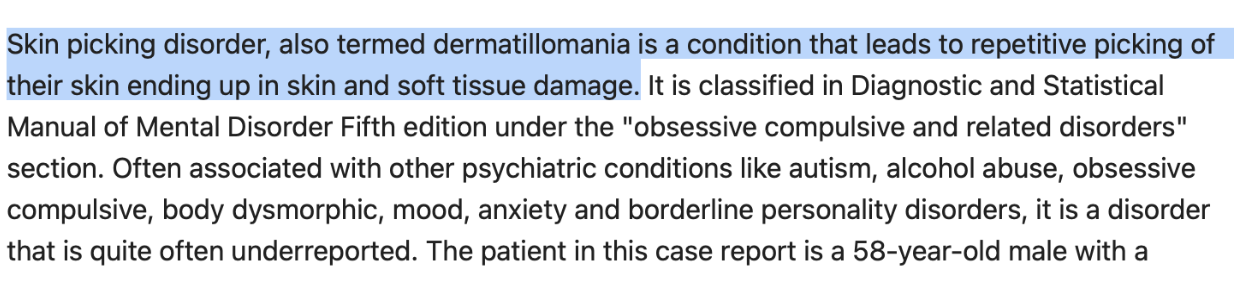
Source: Malayala SV, Rehman H, Vasireddy D. Dermatillomania: A Case Report and Literature Review. Cureus. 2021 Jan 27;13(1):e12932. doi: 10.7759/cureus.12932. PMID: 33654612; PMCID: PMC7910222.
Why does this happen?
Stress and anxiety increase activity in the brain’s reward pathways, making repetitive actions like picking or peeling temporarily soothing. In neurobiological terms, the release of dopamine during these small actions provides momentary relief, creating a cycle that is hard to break. It’s the same mechanism that explains why some people pace when worried or chew their lips when tense. The fingertips simply become the most accessible ‘canvas’ for the nervous system to express internal tension.

Image Credits: Freepik
But there’s more.
Elevated stress hormones such as cortisol weaken the skin’s protective barrier, reduce hydration, and impair healing. This means even if you don’t consciously peel the skin, stress alone can increase the chances of cracked cuticles and peeling fingertips. Lack of sleep and emotional unrest only magnify this, since the skin relies on restorative sleep to repair and regenerate.
When Your Body Speaks Through Deficiencies
But what if stress is not the reason, and you don’t bite or pick at your nails, yet the skin around them continues to peel?
That’s when nutrition comes into the picture. Our skin is one of the first places where nutrient imbalances quietly reveal themselves.
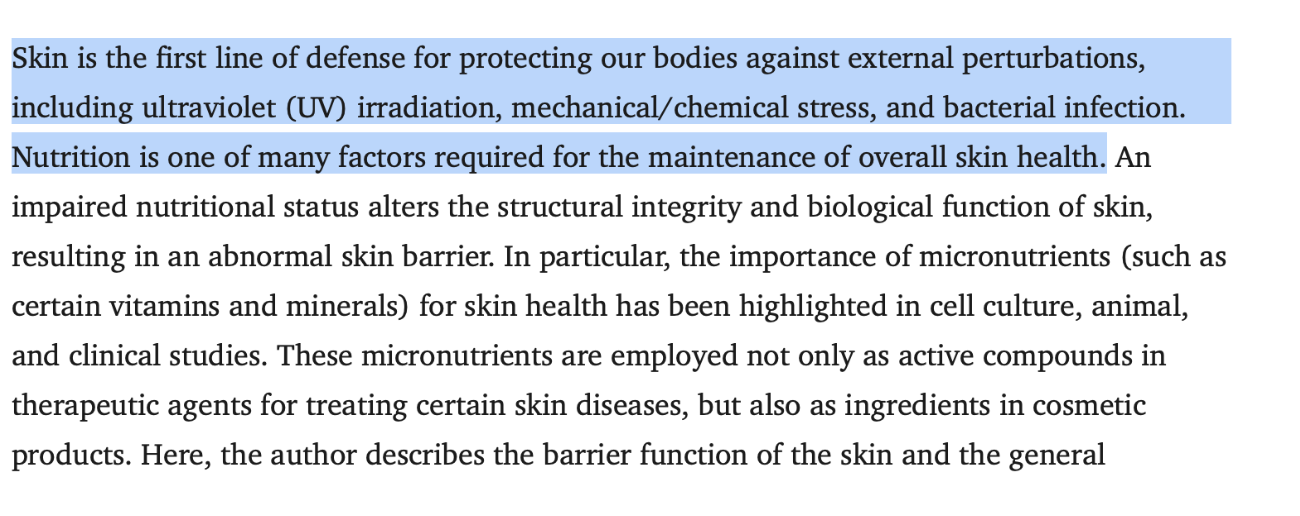
Source: Park K. (2015). Role of micronutrients in skin health and function. Biomolecules & therapeutics, 23(3), 207–217. https://doi.org/10.4062/biomolther.2015.003
Here’s how different deficiencies may be linked to skin peeling on fingertips:
- Vitamin B7 (Biotin) and B-complex vitamins: These are essential for keratin, the protein that builds healthy skin and nails. Without enough, the skin barrier weakens, nails turn brittle, and the skin near them begins to crack and peel. Biotin deficiency directly impacts nail and skin health.
- Vitamin C: Collagen, the glue that holds our skin cells together, needs Vitamin C. When levels run low, healing slows, and the delicate skin around your nails is more likely to split and peel. Even mild deficiency has been linked with reduced skin integrity.
- Vitamin E: Known as the ‘skin vitamin,’ Vitamin E keeps the skin hydrated and shields it from oxidative damage. When it’s missing, fingertips often become dry and prone to peeling. Low vitamin E worsens inflammation and dryness.
- Omega-3 fatty acids: These healthy fats keep skin cells flexible and prevent dryness. Foods lacking omega-3s are strongly associated with flaky, irritated skin. When missing, even mild friction can trigger peeling skin on fingers near nails.
- Zinc: This mineral is vital for repair and regeneration. Without enough zinc, skin struggles to heal and becomes more sensitive to peeling and irritation.
- Iron: Low iron means less oxygen reaching tissues, which shows up as brittle nails, poor healing, and eventually peeling around the fingertips.
Other Common Causes You Shouldn’t Ignore
Sometimes, skin peeling on fingertips isn’t about what’s happening inside your body; it’s about what your skin is constantly exposed to on the outside. The skin around your nails is delicate, and everyday habits or environments can quietly wear it down.
Here are some common peeling fingertips causes you shouldn’t overlook:
- Frequent hand washing and sanitizers: Washing hands multiple times a day is necessary for hygiene, but over time, soaps and alcohol-based sanitizers strip away the skin’s natural oils. Without that protective barrier, the skin dries out, cracks, and eventually peels. During the pandemic, there was a sharp rise in dry skin on fingertips and peeling due to over-sanitization.
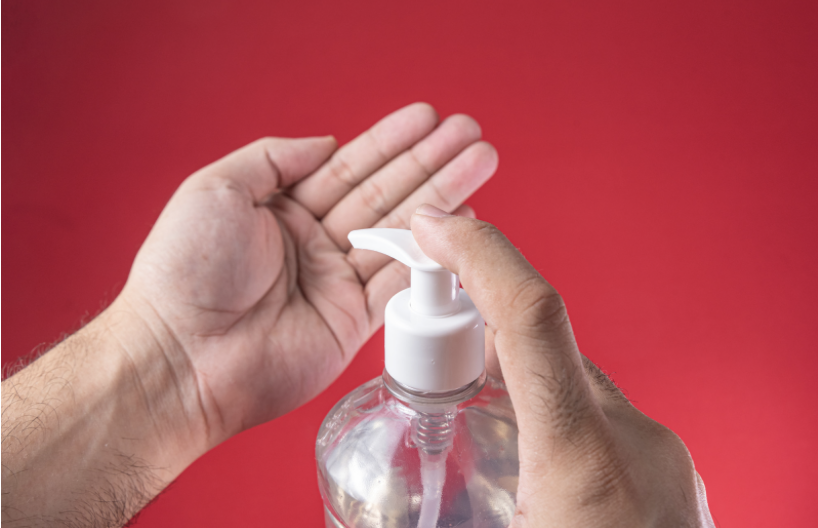
Image Credits: Freepik
- Detergents and household cleaners: Chemicals in dishwashing liquids, laundry detergents, and floor cleaners are harsh on the skin. Prolonged contact weakens the skin barrier and makes fingertips prone to irritation and peeling. Using gloves while doing household chores can go a long way as part of an effective fingertips peeling treatment.
- Harsh weather conditions: Cold weather reduces humidity, leaving the skin dry and prone to cracks, while hot and humid climates cause sweating that can irritate sensitive skin. Seasonal changes directly impact skin hydration, explaining why many people see peeling fingertips in winter.
- Allergic reactions: Nail polishes, acrylic glue, and cosmetic products may trigger allergic contact dermatitis in sensitive individuals. This reaction often shows up as redness, itching, and peeling skin near the nails. Sometimes, what looks like harmless beauty care may be damaging your nail folds.
- Skin conditions and infections: Fungal infections, eczema, and psoriasis are also frequent culprits. Fungal infections around the nails often present with peeling and scaling. Hand eczema, one of the most common occupational skin diseases, is strongly linked with repeated wet work.
How to Stop Skin Peeling on Fingers Near Nails
When it comes to skin peeling on fingertips, the question most people have is, “what can I actually do to stop it?”
The answer isn’t a single magic cream or pill.
Instead, it lies in a three-pillar approach that works both from the outside in and the inside out: Protect, Nourish, and Reprogram.
1. Protect the Skin (External Care)
Your skin, especially around the nails, is thinner and more vulnerable to damage. This is how you can protect and support repair:
- Moisturize regularly with natural emollients like coconut oil, almond oil, or shea butter. Studies show that these oils are rich in fatty acids that help restore skin barrier function.
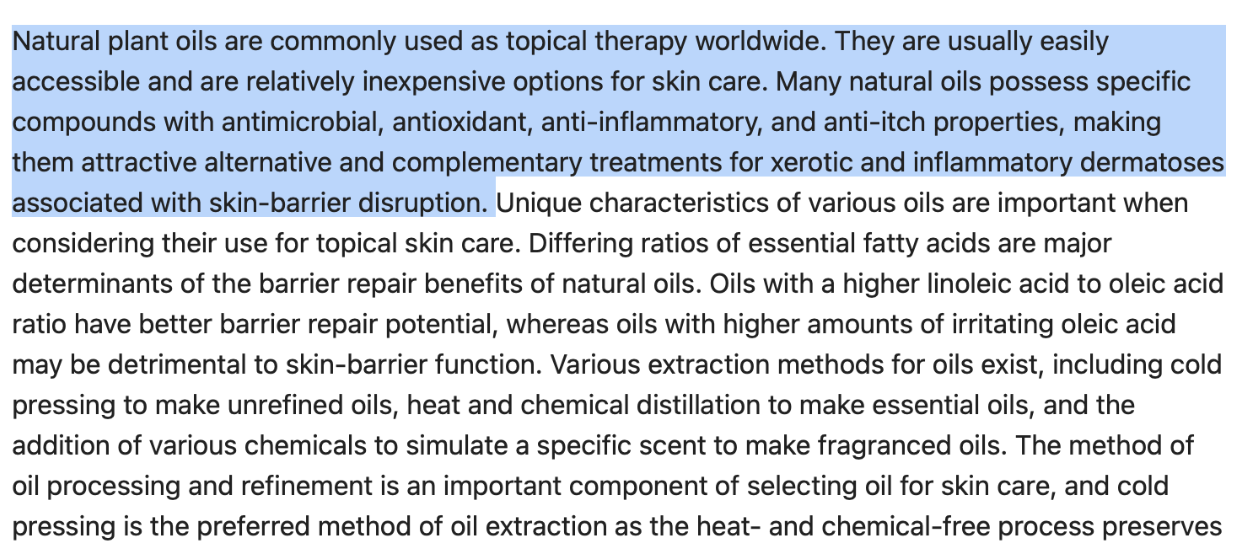
Source: Vaughn AR, Clark AK, Sivamani RK, Shi VY. Natural Oils for Skin-Barrier Repair: Ancient Compounds Now Backed by Modern Science. Am J Clin Dermatol. 2018 Feb;19(1):103-117. doi: 10.1007/s40257-017-0301-1. PMID: 28707186.
- Avoid harsh soaps and alcohol-based sanitizers. Opt for gentle, pH-balanced cleansers to prevent further stripping of natural oils.
- Use protective gloves when washing dishes, handling cleaning chemicals, or gardening. This prevents irritants from worsening peeling fingertips.
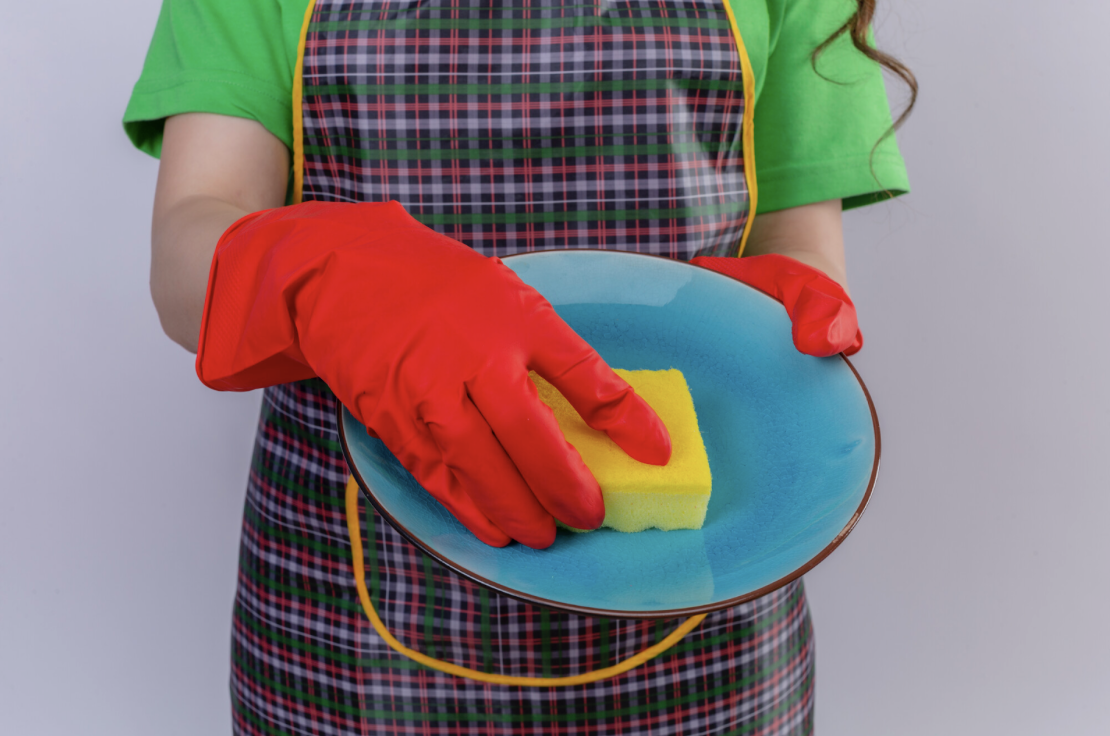
Image Credits: Freepik
- Keep nails short and neat to avoid accidental tearing or worsening of the skin.
When it comes to fingertips peeling treatment, external protection is the first and most essential step.
2. Nourish from Within (Nutritional Support)
Sometimes, peeling skin on fingers vitamin deficiency is the hidden culprit.
What to add to your plate:
- Vitamin-rich foods: Citrus fruits for Vitamin C, nuts and seeds for vitamin E and zinc, and leafy greens for folate.
- Omega-3 fatty acids: Flaxseeds, walnuts, and fatty fish reduce inflammation and keep the skin barrier supple.
- Quality protein: Eggs, lentils, and fish supply amino acids needed for collagen and elastin.
- Hydration: Water alone isn’t enough; adding electrolytes from coconut water, fruits, or herbal infusions helps maintain skin’s hydration balance.

Image Credits: Freepik
When nutritional gaps are corrected, the body naturally equips the skin to resist peeling and heal faster.
3. Reprogram the Mind (Address Psychological Triggers)
Many people pick at their nails or peel skin during moments of anxiety without even realizing it.
To break the cycle:
- Practice mindfulness to become aware of unconscious picking or biting habits. Even pausing before reaching for your nails builds awareness.
- Stress-management practices like breathwork, yoga, or journaling calm the nervous system and reduce the urge to peel or pick.
- Healthy replacements: Keep a stress ball, fidget tool, or pen nearby to redirect restless energy.
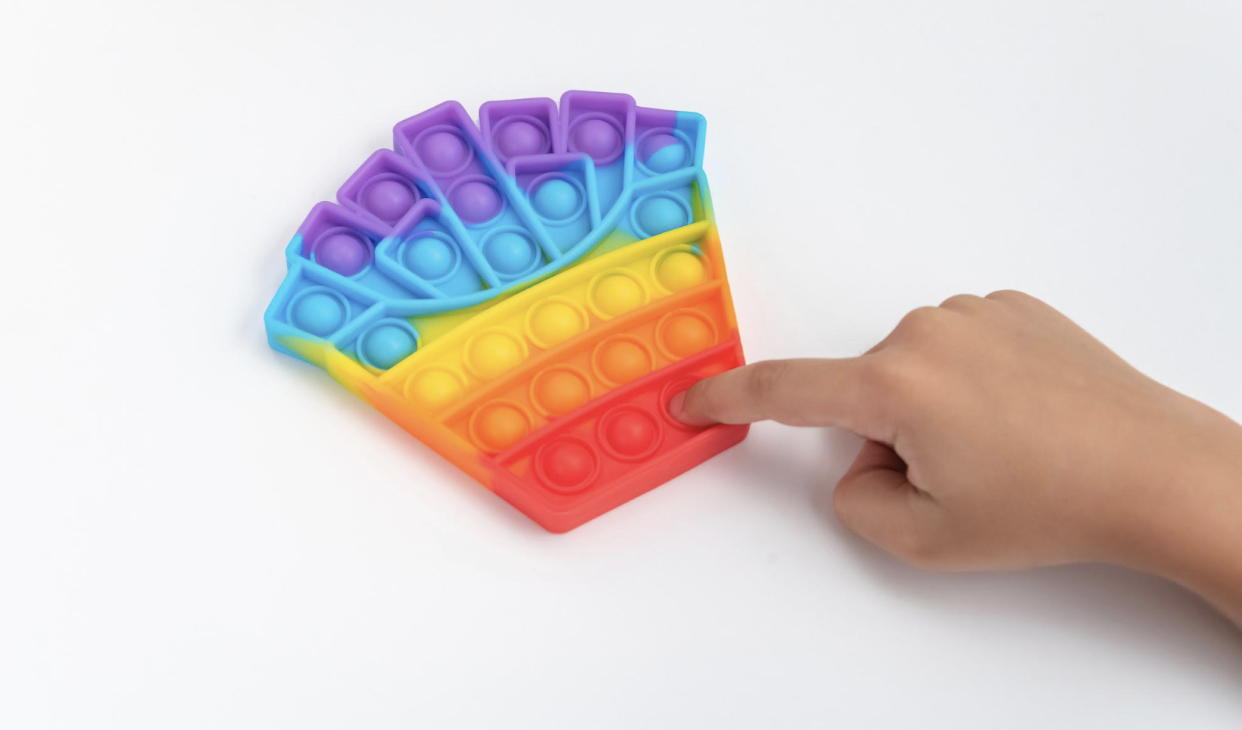
Image Credits: Freepik
This pillar is often overlooked, but it’s key to long-term recovery, because no cream or vitamin can override a habit-driven cycle.
Disclaimer: The above approach is NOT a substitute for professional medical advice. If peeling persists, worsens, or is accompanied by pain, bleeding, or infection, consult a qualified healthcare professional to rule out underlying medical conditions.
Want personalised support to address skin and nail concerns at the root?
👉 Explore our Wellness Program for holistic lifestyle guidance.
When to Seek Help
Most of the time, skin peeling on fingertips can be traced back to lifestyle habits, nutritional gaps, or environmental exposure.
But remember, not every case is simple, and sometimes the body is signaling something deeper. If the peeling is persistent, painful, or shows up with additional symptoms like redness, pus, swelling, or brittle nails, it’s wise not to ignore it and to consult a qualified healthcare professional.
Why?
Because peeling fingertips can occasionally point to underlying medical conditions that need professional attention.
In rare cases, peeling fingertips may be linked to systemic conditions such as thyroid disorders or autoimmune conditions that alter skin integrity. For example, hypothyroidism often presents with dry skin, fingertips, and delayed skin regeneration. Thyroid hormone imbalances can directly impair skin barrier function, leading to symptoms like peeling and cracking.
So, while simple changes in skincare and nutrition often work, a medical evaluation ensures that more serious issues are not missed.
If your fingertip peeling comes with itching, discoloration, recurrent infections, or nail deformities, it’s not just about cosmetic concern; it’s a deeper health message.
Fingertips as Mirrors of Inner Health
Your fingertips are more than skin and nails; they’re signals from within. Persistent peeling, cracking, or dryness isn’t just surface-level; the skin often mirrors internal balance, from hydration to micronutrient status.
The next time you notice changes, don’t dismiss them as small inconveniences. Instead, see them as gentle reminders to nourish better, rest deeper, and pay attention to what your body is quietly asking for.
Because when you listen, you don’t just improve the way your hands look, you strengthen the way your whole body feels.
Disclaimer: This blog is for educational and informational purposes only. It is not a substitute for professional medical advice, diagnosis, or treatment. If you are experiencing persistent or severe skin peeling on fingertips, pain, or associated symptoms, please consult a qualified dermatologist or healthcare professional. Nutritional deficiencies, infections, or underlying conditions may require individualized care. Always listen to your body and seek professional guidance when needed.
Sometimes the smallest shift can create the biggest change.
If your fingertips or your health in general are reminding you that something feels off, take it as a nudge to pause and realign.
Our Wellness Programs are designed to help you do just that, with personalised guidance, simple lifestyle tools, and a compassionate team walking beside you.
Call us at 18001020253 or write to [email protected] because you don’t have to do this alone.