No products in the cart.
Walk into any supermarket today and you’ll find “sugar-free” products almost everywhere. Protein powders, beverages, yogurts, desserts, chewing gum, nutrition bars, and even medicines often contain artificial sweeteners such as sucralose.
Some people believe sucralose is completely harmless because it has been approved by food safety authorities around the world. Others believe it should be avoided at all costs because of concerns around gut health, metabolism, and long-term health.
So, who is right?
As with most topics in nutrition, the answer isn’t as simple as labeling an ingredient as “good” or “bad.”
At Team Luke, we believe every food choice should be viewed in context. Rather than asking whether one ingredient is safe or dangerous, we encourage asking a better question:
Is this helping me build a healthier way of eating?
Current scientific evidence suggests that sucralose is considered safe when consumed within approved limits. However, “safe” doesn’t always mean “the best choice.”
Our philosophy has always been simple. Whenever possible, choose whole, minimally processed foods, reduce your dependence on sweetness, and allow your taste buds to appreciate food in its natural form.
Let’s understand what sucralose is, what current research tells us, and how to make informed choices without fear or confusion.
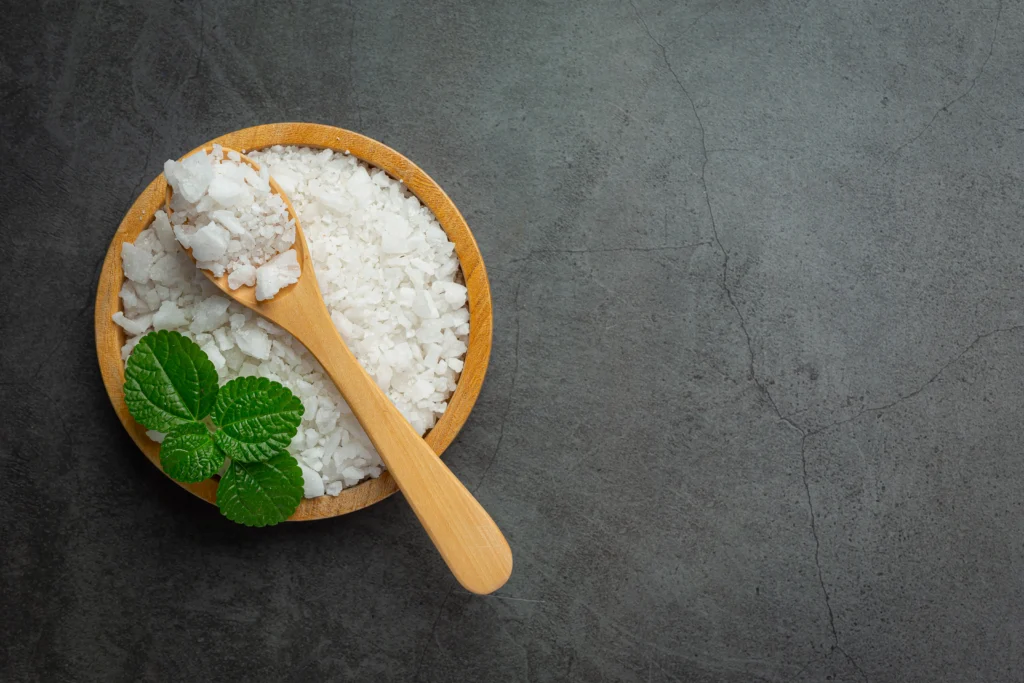
What Is Sucralose?
Source: Magnific
Sucralose is an artificial sweetener made from sugar. During manufacturing, the structure of sugar is modified by replacing certain hydrogen and oxygen groups with chlorine atoms. This change makes sucralose around 600 times sweeter than table sugar while contributing virtually no calories because most of it passes through the body without being metabolized.
Because it delivers sweetness without significantly increasing blood glucose levels, it is commonly used in products marketed as sugar-free or low-calorie.
You’ll often find sucralose in:
- Protein powders
- Protein bars
- Soft drinks
- Flavored yogurt
- Ice cream
- Sugar-free desserts
- Chewing gum
- Tabletop sweeteners
- Certain medicines and syrups
Its stability at high temperatures also makes it suitable for baking and cooking, unlike some other sweeteners that lose their sweetness when heated.
Why Is Sucralose So Common?
The biggest reason is simple.
People enjoy sweet foods, but many are trying to reduce their sugar intake because of concerns around diabetes, obesity, and overall metabolic health.
Manufacturers often use sucralose because it provides sweetness without adding sugar or significant calories. It also has a long shelf life and works well in many processed foods.
However, this is where it’s important to pause.
A product being “sugar-free” does not automatically make it healthy.
Many sugar-free foods may still contain refined starches, unhealthy fats, excessive sodium, artificial additives, or very little nutritional value.
Health is never determined by a single ingredient.
It is shaped by your daily habits, your sleep, movement, stress levels, the quality of your diet, and the foods you eat consistently.
This is why we encourage looking beyond the front of the pack and understanding the complete nutritional picture.
Is Sucralose Safe?
This is perhaps the most common question people ask.
The answer depends on how we define the word “safe.”
From a regulatory standpoint, sucralose has been extensively studied for decades. Food safety authorities including the U.S. Food and Drug Administration (FDA), the European Food Safety Authority (EFSA), and the Food Safety and Standards Authority of India (FSSAI) have evaluated the available evidence and continue to approve its use within established limits.
Like every approved food additive, sucralose has an Acceptable Daily Intake (ADI). This is the amount that can be consumed every day over an entire lifetime without any expected adverse health effects.
The FDA has established an ADI of 5 milligrams per kilogram of body weight per day, while the EFSA has established 15 milligrams per kilogram per day.
For most people, regular dietary intake remains well below these limits.
In other words, based on the evidence available today, regulatory agencies do not consider normal consumption of sucralose to be harmful.
However, this does not automatically mean it deserves a regular place in everyone’s diet.
At Team Luke, we believe there is an important difference between being approved and being the best choice for long-term health.
Why We Still Prefer Whole Foods
Nutrition is about much more than avoiding disease.
It is about helping the body thrive.
Many packaged foods today are designed to satisfy our preference for sweetness, whether that sweetness comes from sugar or artificial sweeteners.
Over time, regularly consuming highly sweet foods can make naturally sweet foods, such as fruits, seem less satisfying.
Our goal is not simply to replace sugar with another sweetener.
Our goal is to gradually reduce the need for excessive sweetness altogether.
When your palate adapts, whole foods become naturally enjoyable. Fresh fruits taste sweeter. Unsweetened yogurt becomes more acceptable. Coffee or tea needs less added sweetness.
This shift is one of the simplest and most sustainable ways to build healthier eating habits.
Instead of asking, “Which sweetener is healthiest?” a better question may be:
“Can I slowly reduce how much sweetness I need?”
That small change often has a much greater impact on long-term health than switching from one sweetener to another.
What Does the Latest Research Say?
Research on artificial sweeteners continues to evolve.
Some laboratory and animal studies have suggested that very high intakes of certain artificial sweeteners may influence the gut microbiome or affect glucose metabolism.
Other studies have explored whether heating sucralose under specific conditions could produce certain compounds that require further investigation.
These findings are important because they encourage continued research.
However, it’s equally important to understand their limitations.
Many of these studies use doses that are much higher than what people typically consume in everyday life, or they are conducted in laboratory settings that do not directly reflect normal human eating patterns.
Human studies have produced mixed results, and researchers continue to investigate these questions.
At present, there is no strong evidence showing that normal dietary intake of sucralose directly causes diabetes or other chronic diseases.
Science is always evolving, and recommendations become stronger as more evidence becomes available.
Until then, we believe the wisest approach is one of moderation.
Rather than relying heavily on any sweetener, whether natural or artificial, focus on eating a diet rich in vegetables, fruits, whole grains, legumes, nuts, seeds, quality proteins, and healthy fats.
That foundation will always have a far greater impact on your health than any single ingredient.
How to Read Food Labels More Confidently
Food labels can often feel confusing.
Buzzwords such as “sugar-free,” “low calorie,” or “diabetic-friendly” can create the impression that a product is automatically healthy.
It isn’t always that simple.
Here are a few habits that can help you make more informed choices.
Look Beyond Marketing Claims
Always turn the package over and read the ingredient list and nutrition facts panel instead of relying only on the front label.
Check the Entire Ingredient List
Rather than focusing only on whether a product contains sucralose, ask yourself:
- Is it made with quality ingredients?
- Does it provide meaningful nutrition?
- Is it high in protein or fiber?
- Is it heavily processed?
- Does it fit your overall eating pattern?
Recognize Sucralose on the Label
Sucralose is usually listed by name.
In India, it may also appear as INS 955, while in some countries it may be listed as E955.
Knowing these names helps you make informed choices instead of relying on marketing claims.
The goal is not to fear ingredients you don’t recognize.
The goal is to become a more informed consumer who understands the overall quality of the food being chosen.
Better Alternatives to Sucralose
Source: AI
If you’re trying to reduce your intake of artificial sweeteners, the answer isn’t to simply swap one sweetener for another. The long-term goal is to reduce your overall dependence on sweetness while choosing foods in their most natural form whenever possible.
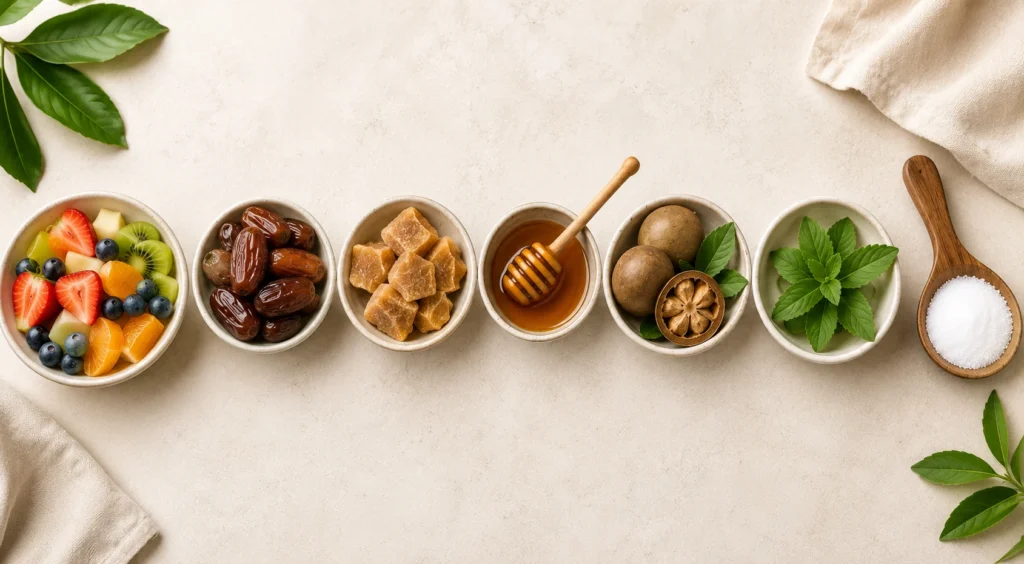
Here are the options we generally recommend, in order of preference.
1. Whole Fruits
Whenever possible, let whole fruits be your first choice for sweetness.
Fruits naturally contain fiber, water, vitamins, minerals, antioxidants, and phytonutrients that work together to support overall health. Unlike fruit juices or concentrated syrups, the fiber in whole fruits slows the absorption of natural sugars, helping to support better blood sugar control.
Instead of adding sweeteners to your breakfast, try fresh berries, apple slices, banana, papaya, or seasonal fruits.
Whole fruits nourish your body in ways that isolated sweeteners never can.
2. Dates
Whole dates are another excellent option when you need a little extra sweetness.
They provide fiber, potassium, magnesium, antioxidants, and other beneficial plant compounds. They can be blended into smoothies, used in homemade energy bites, or added to desserts prepared at home.
If you have diabetes or insulin resistance, portion size still matters. Even natural sugars should be enjoyed mindfully.
3. Jaggery
Jaggery is often promoted as a healthier alternative to refined sugar because it retains small amounts of naturally occurring minerals.
While this is true, it is important to remember that jaggery is still a form of sugar and can raise blood glucose levels.
Choose it occasionally, not because it is “healthy,” but because you enjoy its flavor. Moderation remains key.
4. Raw Honey
Raw honey contains naturally occurring enzymes, antioxidants, and beneficial plant compounds. However, it is still a concentrated source of sugar.
If you choose to include honey in your diet, use small amounts and pair it with an otherwise balanced meal rather than relying on it as a daily health food.
People living with diabetes should discuss the appropriate amount with their healthcare provider or nutrition expert. Avoid giving it to toddlers below the age of 2 years.
5. Monk Fruit
Monk fruit is a naturally derived, zero-calorie sweetener that has become increasingly popular among people trying to reduce their sugar intake.
If you choose monk fruit products, read the ingredient list carefully. Some commercial products combine monk fruit with artificial sweeteners, sugar alcohols, or fillers.
Choose products with the simplest ingredient list possible.
6. Stevia
Stevia is a plant-derived sweetener that has been studied extensively and has minimal impact on blood glucose.
Again, check the ingredient list.
Some products marketed as stevia may contain maltodextrin, dextrose, or other additives that increase the overall carbohydrate content.
Whenever possible, choose products made with pure stevia extract. But, strict moderation is the key, as excessive consumption of stevia can still cause gut irritation and inflammation.
7. Erythritol
Erythritol is a sugar alcohol that has little effect on blood glucose levels for most people.
However, large amounts may cause digestive discomfort in some individuals.
Like every sweetener, it should be used occasionally rather than becoming an everyday habit.
Small Changes That Make a Big Difference
One of the healthiest habits you can develop isn’t finding the “perfect” sweetener.
It needs less sweetness over time.
Here are a few simple ways to make that transition easier:
- Gradually reduce the amount of sweetener you add to tea or coffee.
- Choose plain yogurt and add fresh fruit instead of flavored varieties.
- Snack on whole fruits instead of sugar-free desserts.
- Read ingredient labels before purchasing packaged foods.
- Choose minimally processed foods whenever possible.
- Reserve sweet treats for occasions rather than everyday consumption.
These small, consistent changes help retrain your palate and make naturally sweet foods far more satisfying.
The Bottom Line
So, is sucralose safe?
Based on the current scientific evidence, food safety authorities around the world continue to consider sucralose safe when consumed within approved limits.
However, at Team Luke Coutinho, we believe there is a difference between what is considered safe and what is considered the best choice for long-term health.
Our recommendation has always been to build your nutrition around whole, minimally processed foods instead of relying on packaged products, whether they contain sugar or artificial sweeteners.
If you occasionally consume a product containing sucralose, there is no need to panic.
But if you have the option, choose foods that are naturally nourishing, less processed, and closer to their original form.
Over time, reducing your dependence on sweetness, rather than simply replacing one sweetener with another, can have a much greater impact on your health.
Remember, no single ingredient determines your well-being.
It is your daily habits, your sleep, your movement, your stress levels, your relationships, and the food you consistently choose that create lasting health.
Choose progress over perfection.
Choose balance over extremes.
And whenever possible, choose real food first.
Still Confused by Ingredient Labels? We’re Here to Help.
Nutrition advice can often feel confusing. New ingredients, viral social media claims, and conflicting opinions make it difficult to know what truly deserves your attention.
Our Wellness Program helps you cut through the noise. Whether you’re managing diabetes, insulin resistance, digestive concerns, PCOS, chronic inflammation, or simply want to make healthier choices for yourself and your family, our experts provide personalized guidance that fits your unique needs.
Instead of following trends, you’ll learn how to understand food labels, make informed decisions with confidence, and build sustainable habits that support your long-term health.
Join our Wellness Program and take the first step toward a healthier, more informed lifestyle.
Disclaimer
This article is intended for educational and informational purposes only and should not be considered medical advice. Nutrition recommendations should always be individualized. If you have diabetes, kidney disease, are pregnant or breastfeeding, or have any underlying medical condition, please consult your physician or a qualified healthcare professional before making significant dietary changes. Nutrition science continues to evolve, and recommendations may change as new evidence becomes available.