No products in the cart.
Wait… Before you add one more scoop of protein into your shaker, ask yourself, “Is this helping my body, or am I just following a trend? Is it clean? Is it needed? Is my body ready for it?”
Because today, health is no longer just about nourishment. It has become a noise.
Longevity today is being sold like fast fashion; trendy, expensive, and disposable.
And this is far from the reality.
Longevity is not expensive.
Protein is not magic.
Supplements are not food.
Stress ages faster than sugar.
The real danger is not aging.
It is the confusion.
And confusion is profitable.
Somewhere between fear-based marketing and biohacking culture, we stopped asking the most basic question, “What does the body actually need?”
The Protein Story We Were Never Told
Think of protein like bricks. Bricks are essential to build a house.
But:
- Too few bricks, and the structure is weak
- Poor-quality bricks, and the house develops cracks
- Excess bricks dumped randomly create clutter, not strength
The secret to longevity is not about hoarding bricks. It is about using the right bricks, in the right amount, placed correctly, supported by strong cement, thoughtful design, airflow, and ongoing maintenance.
Protein is one part of the house. Not the entire blueprint. And this is where many people get misled because how we consume protein today has quietly changed.
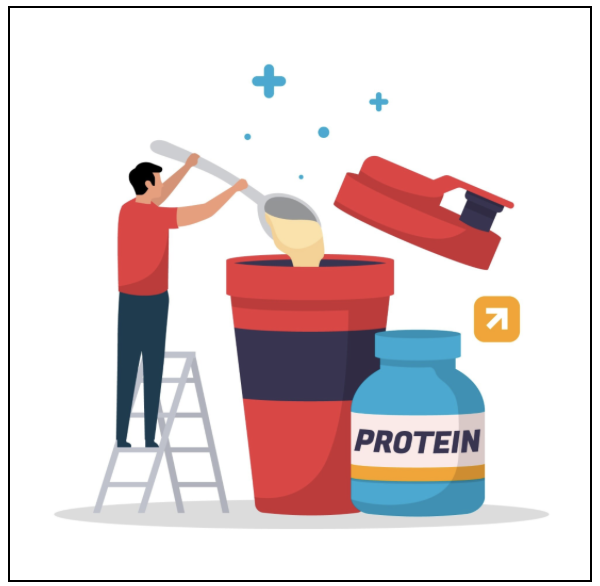
Image Credits : Freepik
Let’s simplify what actually happens inside your body.
When you eat protein, your digestive system breaks it down into amino acids; the smallest building blocks of protein. There are 20 amino acids in total, each with a unique role. Think of them as specialized workers on a construction site. Some repair muscle tissue, some build enzymes, some support immunity, some regulate hormones, and some help your body recover and adapt.
These amino acids circulate through your bloodstream and are used wherever the body needs repair, renewal, or growth. Therefore, they help your cells function, communicate, and regenerate. Without adequate amino acids, repair slows and immunity weakens.
Protein is like construction material delivered daily to your body.
- If your body needs repair → it uses amino acids.
- If your body is balanced → it uses protein efficiently.
- If your body is overloaded → excess may not be fully utilized.
So the focus should not be maximum protein, but meaningful protein.
Your body decides:
- How much to use
- Where to use it
- When to use it
If digestion is weak, hydration is low, stress is high, or intake is excessive, the body cannot efficiently use these amino acids. Instead of building strength, the system feels burdened.
How Much Protein Do You Actually Need?
For years, the conversation has been about more protein.
More grams. More scoops. More shakes.
But the body does not work on trends. It works on balance.
And there is no single number for everyone.
According to global nutrition research and position papers from the World Health Organization (WHO) and FAO/UNU (Food and Agriculture Organization/United Nations University) Expert Consultation, the general baseline requirement for healthy adults is approximately:
0.8 grams of protein per kilogram of body weight per day
However, the needs may vary depending on physiology and lifestyle.
Clinical and sports nutrition research published in journals such as the American Journal of Clinical Nutrition and Journal of the International Society of Sports Nutrition suggests:
- Sedentary adults: ~0.8–1.0 g/kg/day
- Active individuals: ~1.0–1.3 g/kg/day
- Strength training / higher muscle demand: ~1.2–1.6 g/kg/day
- Older adults (to preserve muscle mass): ~1.0–1.2 g/kg/day
These are ranges, not rigid targets.
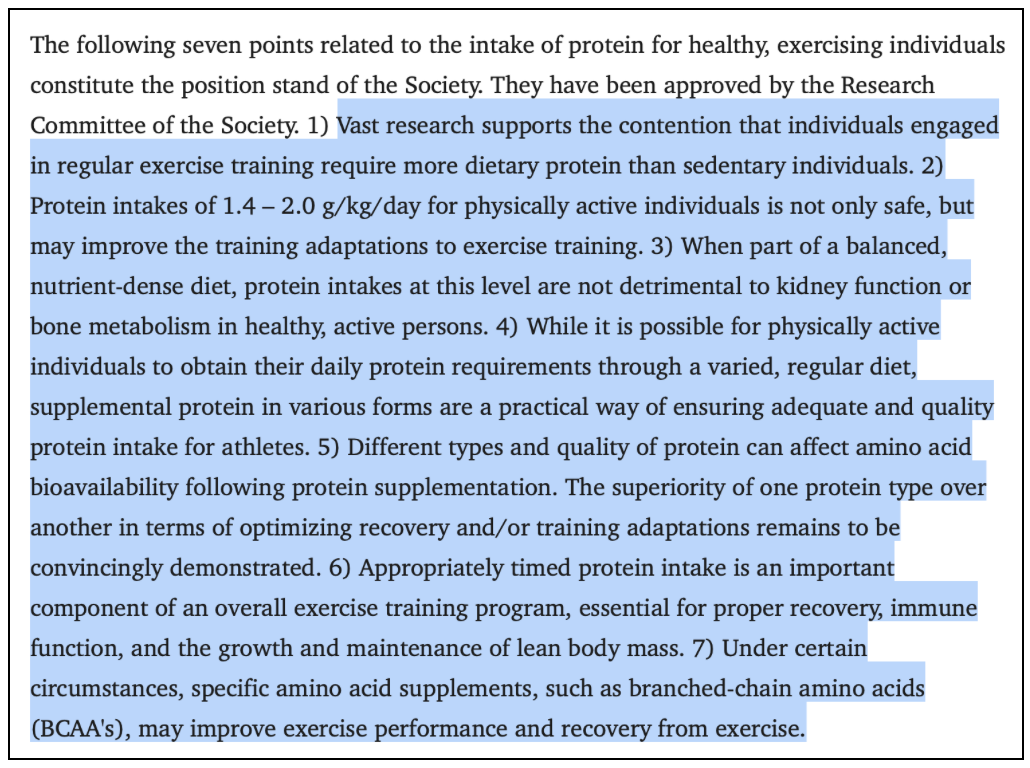
Source: Campbell, B., Kreider, R. B., Ziegenfuss, T., La Bounty, P., Roberts, M., Burke, D., Landis, J., Lopez, H., & Antonio, J. (2007). International Society of Sports Nutrition position stand: protein and exercise. Journal of the International Society of Sports Nutrition, 4, 8. https://doi.org/10.1186/1550-2783-4-8
Why Protein Needs Differ from Person to Person
Every body is biologically unique. Protein utilization depends on:
- Muscle mass and body composition
- Activity level and training intensity
- Digestive efficiency and gut health
- Metabolic and hormonal status
- Sleep quality and recovery
- Stress load and inflammation
- Age and physiological demand
Note: Protein needs are individualized, and excessive intake beyond physiological demand does not proportionally increase muscle synthesis.
More is not always better. Appropriate is better.
Protein Isn’t the Problem. How We’re Consuming It Is.
Let’s begin with a simple Protein Reality Check.
Reflect and mark mentally what applies to you
- I drink protein shakes twice a day
- I feel bloated or constipated often
- I use flavoured protein powders
- I don’t track water or fiber intake
- I follow influencer protein numbers
If you ticked 2 or more, your protein habits may be working against you.

Image Credits : Freepik
The 6 Mistakes Making Protein Harder on Your Body
Let us examine the most common mistakes:
1. High Protein + Low Water = Stress on Your System
Protein metabolism produces nitrogenous waste, primarily urea, which must be safely excreted through the kidneys. Adequate hydration supports renal filtration, maintains electrolyte balance, and assists efficient urea clearance. When water intake is inadequate, the body may experience increased renal workload, fatigue, and digestive discomfort.
Research in renal physiology consistently highlights hydration as a key factor in maintaining nitrogen balance and supporting kidney function during higher protein intake.
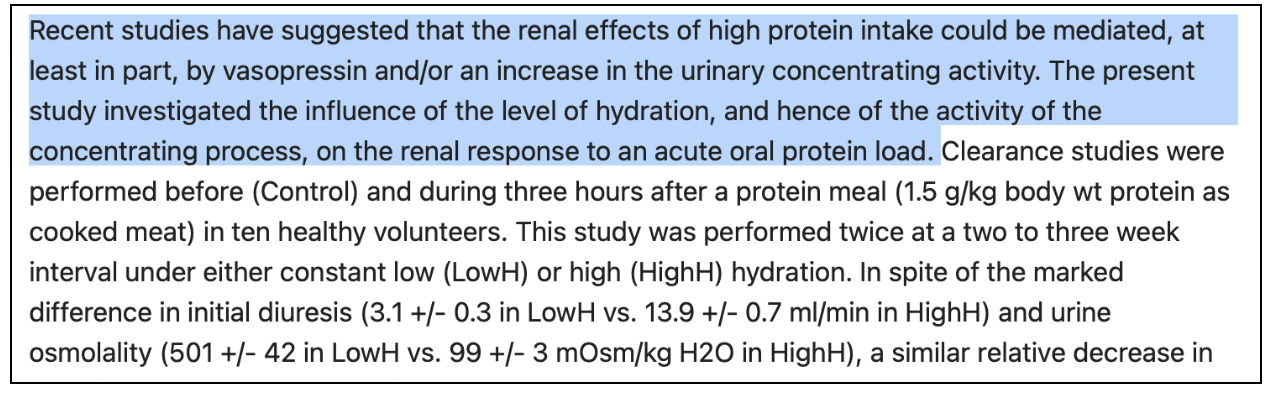
Source: Hadj-Aïssa A, Bankir L, Fraysse M, Bichet DG, Laville M, Zech P, Pozet N. Influence of the level of hydration on the renal response to a protein meal. Kidney Int. 1992 Nov;42(5):1207-16. doi: 10.1038/ki.1992.406. PMID: 1453605.
Are you increasing protein while neglecting water intake?
2. High Protein + Low Fiber = Poor Absorption
Fiber is not only about bowel movement. It plays a regulatory role in gut motility, microbiota diversity, short-chain fatty acid production, and intestinal integrity. Foods high in protein but low in fiber may alter gut microbial composition, reduce digestive efficiency, and impair amino acid assimilation.
Common signs include:
- Bloating or heaviness
- Irregular bowel movement
- Nausea
- Reduced digestive comfort
You may be consuming protein, yet not fully absorbing its benefits.
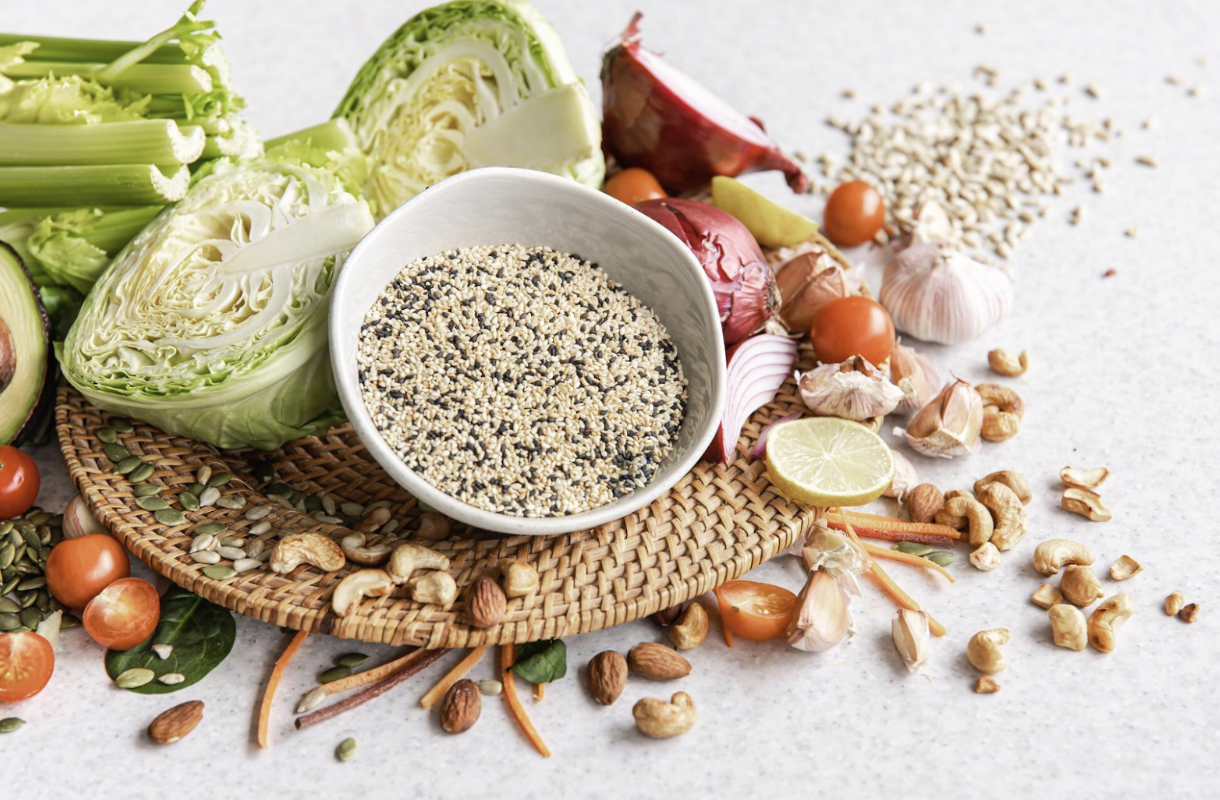
Image Credits : Freepik
3. Following Influencer Numbers, Not Your Body
Protein requirements are influenced by multiple variables:
- Age and muscle mass
- Physical activity and training intensity
- Metabolic health
- Recovery, restorative deep sleep, and low stress levels
Excess protein beyond physiological need does not automatically translate into muscle synthesis. Surplus amino acids are oxidized for energy or converted to other compounds, increasing metabolic processing without additional anabolic benefit.
Protein should align with your body, not with algorithms.
4. Quality Matters More Than Quantity
Protein quality influences digestibility, amino acid availability, and physiological impact. Some commercially available protein products may contain artificial sweeteners, stabilizers, emulsifiers, or contaminants if not rigorously tested.
Certain additives may influence gut microbial balance and intestinal permeability when consumed frequently.
Food safety and nutritional biochemistry emphasize purity, digestibility, and absence of contaminants as key markers of safe supplementation.
Short-term taste should never compromise long-term gut resilience.
5. Low Stomach Acid = Poor Protein Breakdown
Protein digestion begins in the stomach through the action of hydrochloric acid and the enzyme pepsin. Reduced gastric acidity, often linked with chronic antacid use, aging, or digestive imbalance, can impair protein denaturation and peptide breakdown, leading to bloating, heaviness, and incomplete digestion.
Gastric acidity is essential for protein hydrolysis, micronutrient absorption, and microbial control. If protein consistently causes discomfort, the digestive environment may need attention rather than increasing intake.
Start your mornings with strength, balance, and steady energy. Try these 3 clean, protein-rich vegetarian breakfast options designed to nourish your body and support real health from the very first meal.
6. ‘High-Protein’ Packaged Foods Are Often Misleading
Many foods marketed as high-protein may also contain refined starches, added sugars, artificial additives, and low-quality fats. While the protein label attracts attention, the overall food matrix influences metabolic response, inflammation, and gut health.
Nutritional epidemiology consistently associates ultra-processed food intake with metabolic dysregulation, increased inflammatory markers, and reduced nutrition quality, even when macronutrient content appears favourable.
Protein cannot offset the metabolic impact of ultra-processed ingredients. This is why you must be conscious while reading the label, look beyond the protein claim, understand the full ingredient list, and choose consciously rather than being guided by marketing.

Image Credits : Freepik
What Clean Protein Actually Means
✔ Unflavoured
✔ No artificial sweeteners
✔ Minimal ingredient profiles
✔ Third-party tested and transparent sourcing
✔ Supports meals, not replaces them
✔ Aligned with your digestion
Know the Pink Tiger verified top protein powders of 2025 that are clean, tested, and trusted for quality your body can truly rely on, click here.
What Not to Fall For
Instead of telling you what to do, this is what to avoid:
- Protein panic
- Hormone fear-marketing
- Supplement shortcuts
- Western benchmarks forced on Indian bodies
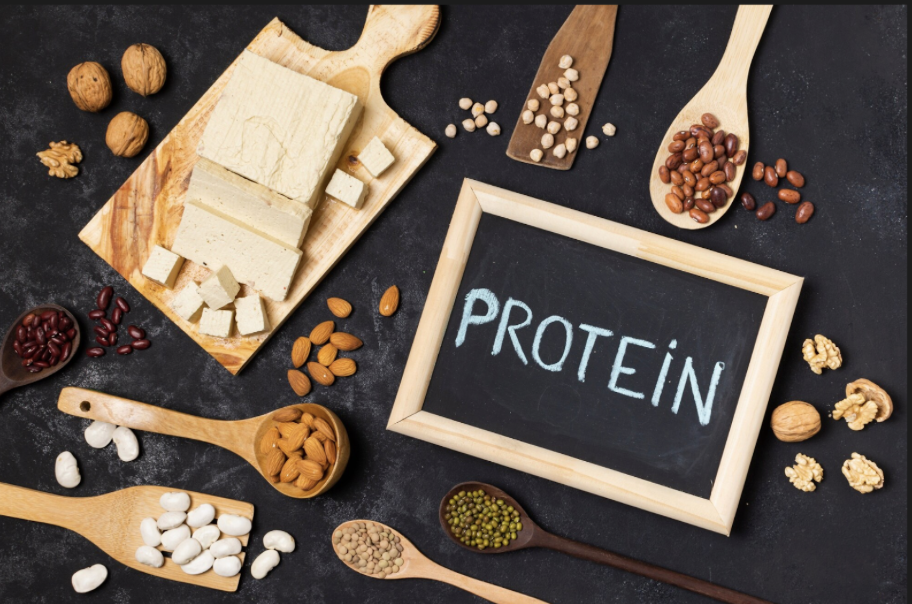
Image Credits : Freepik
If Longevity Was a Pill, The Longest-Living People Would Be Taking It (They’re Not)
| What Longevity Is Marketed As | What Long-Living People Actually Do |
| NMN, peptides, biohacks | Simple and natural food |
| Daily protein powders | Moderate protein from real food |
| Expensive longevity tech | Daily movement and routine |
| Constant optimization | Deep sleep, low stress |
| Isolated self-improvement | Strong social bonds |
Remember, you cannot out-supplement poor sleep. You cannot biohack chronic stress.
You cannot buy longevity in a bottle.
Luke Busts the Most Common Myths Around Protein: What You Really Need to Know (And What You’ve Been Sold)
Every few years, nutrition finds a new villain or a new saviour.
Today, protein has been crowned with both.
You’re told there’s a protein gap.
That your hormones are failing because you’re not eating enough protein.
That menopause, perimenopause, muscle loss, aging, and even longevity can be ‘fixed’ if you just add another scoop.
And somewhere between reels, ads, and well-meaning advice, there is just confusion.
Yes, protein is important, no debate there.
But the way it’s being sold today? That’s where the myth begins.
Therefore, let’s bust some myths around protein consumption:
Myth 1: “Everyone Is Protein Deficient”
The Truth:
Not everyone is protein deficient. Some are. Many aren’t.
Protein deficiency exists, but it is diagnostic, not universal.
The problem today is a cookie-cutter narrative, largely borrowed from Western food patterns, being applied blindly across:
- Different ethnicities
- Different genomes
- Different gut microbiomes
- Different lifestyles
Indian bodies are not American bodies. Sedentary lives do not need athlete-level macros. And more protein does not automatically mean better health.
What actually works:
If someone is deficient, the solution is simple: Gently increase protein across meals from food first in a way your digestion can handle.
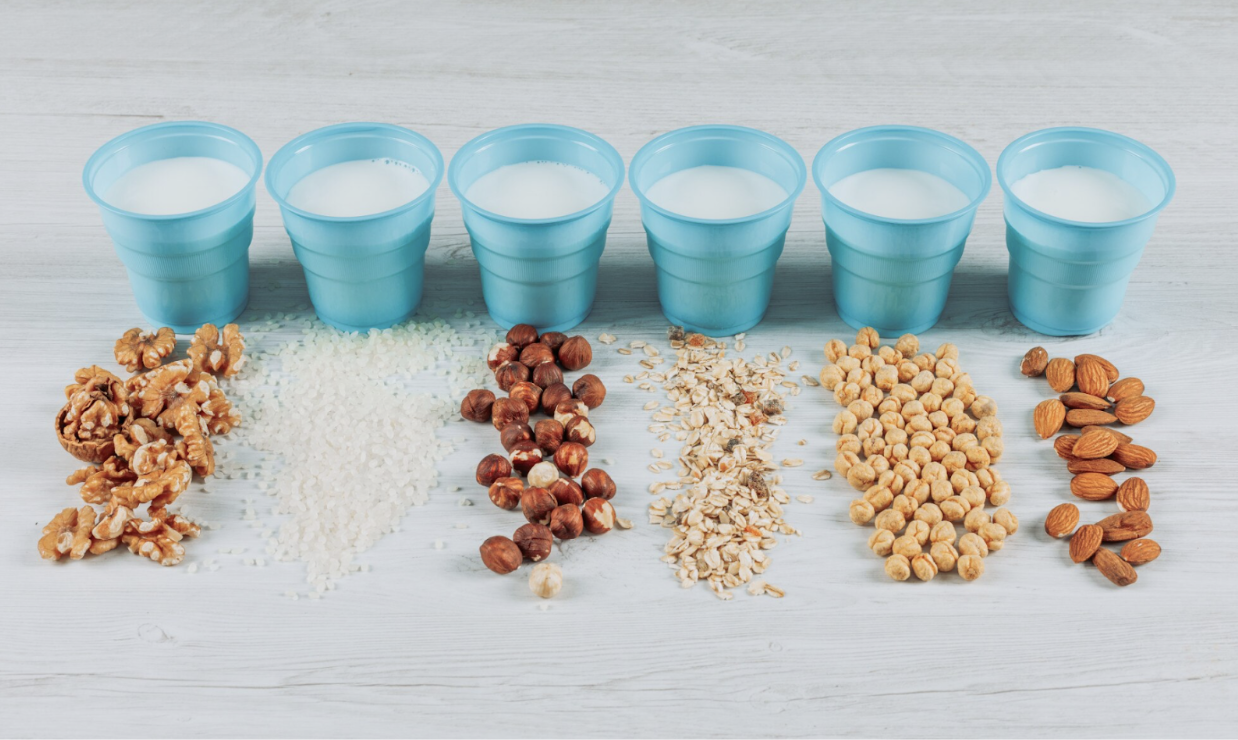
Image Credits : Freepik
Myth 2: “More Protein Automatically Means Better Hormones and Longevity”
The Truth:
Protein supports hormones, but hormones don’t thrive on protein alone.
Longevity research from populations that actually live long (not those predicting longevity from labs and models) consistently shows:
- Moderate protein intake
- Simple, whole foods
- Long fasting windows naturally built into daily life
- Low chronic stress
- Deep sleep
- Strong social bonds
Hormonal health collapses faster from:
- Chronic stress
- Sleep deprivation
- Inflammation
than from a slightly lower protein intake.
You cannot out-protein a stressed nervous system.
Myth 3: “Protein Powders Are Always Safe and Necessary”
The Truth:
Protein powders are tools, not essentials.
The real issue is not protein powder, it’s what’s inside most of them.
Many commercial proteins today are loaded with:
- Artificial sweeteners (including ‘natural’ ones)
- Emulsifiers
- Gums
- Flavouring chemicals
Consumed daily, often twice a day, these compounds:
- Irritate the gut lining
- Disrupt the microbiome
- Increase low-grade inflammation
And suddenly, the person who was worried about protein deficiency now has:
- Bloating
- IBS
- Poor absorption
- Immune issues

Image Credits : Freepik
A smarter approach is if you need protein supplementation:
- Choose unflavoured protein
- Add your own cacao, cinnamon, or natural ingredients
- Accept that everything doesn’t need to taste like dessert
Health isn’t always Instagrammable, therefore, choose clean and verified options with the Pink Tiger stamp. Pick Pink, a clean-living initiative guided by Luke Coutinho that relies on stringent third-party testing for purity and quality. Explore here to discover the range of products.
Myth 4: “Supplements Can Replace Simple Nutrition”
The Truth:
The supplement industry is largely unregulated.
Supplements have value, when there is a deficiency.
They are not substitutes for:
- Discipline
- Consistency
- Sleep
- Emotional regulation
No supplement, NMN (Nicotinamide Mononucleotide) included, has outperformed:
- Quality sleep
- Stress management
- Purpose
- Connection
People who live to 100+:
- Eat simply
- Move simply
- Supplement rarely
- Live meaningfully
You cannot supplement your way out of a chaotic lifestyle.
Additionally, before starting regular protein supplementation, consult your healthcare professional as kidney function should be assessed, especially for:
- Diabetics
- Hypertensive individuals
- Adults over 40
Should You Take a Protein Supplement?
Before you begin any form of protein supplementation, it is imperative to be involved with the right expertise. A qualified healthcare professional can help assess your individual needs, digestive health, metabolic state, and kidney function, as well as determine whether supplementation is truly necessary for your body. Supplements should support your foundation, not replace it. Once you have clarity, ask yourself:
- Are you clinically deficient? → Yes / No
- Is your digestion strong? → Yes / No
- Are you hydrated and fiber-sufficient? → Yes / No
- Is your protein clean and tested? → Yes / No
If more than two answers are ‘No,’ pause supplementation and strengthen your foundation first.
Myth 5: “Longevity Is Bought, Not Built”
The Truth:
Longevity is being marketed today like a luxury product, like:
- Cold plunges
- Red lights
- Biohacks
- Expensive powders
But none of these undo:
- Chronic cortisol
- Sleep deprivation
- Emotional suppression
- Disconnection
In fact, science is clear, chronic stress and poor sleep are the biggest accelerators of aging and disease.
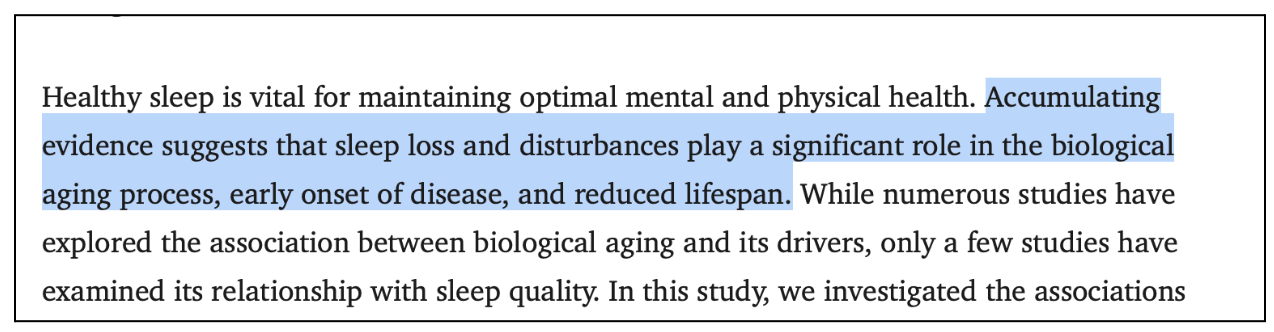
Source: Lee, H. S., Kim, B., & Park, T. (2024). The association between sleep quality and accelerated epigenetic aging with metabolic syndrome in Korean adults. Clinical epigenetics, 16(1), 92. https://doi.org/10.1186/s13148-024-01706-x
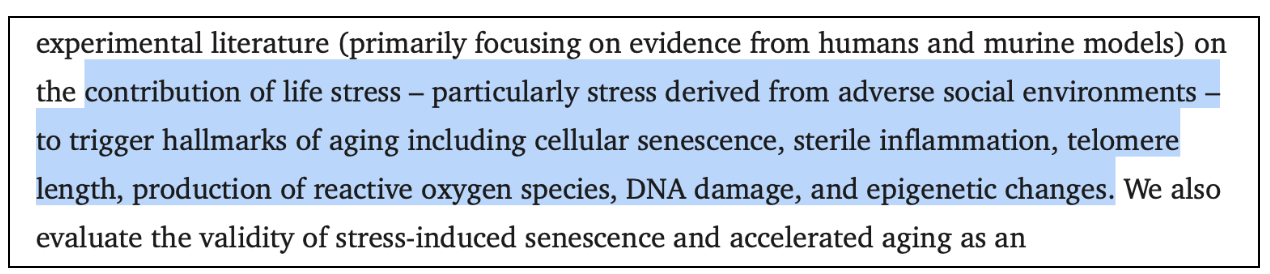
Source: Lyons, C. E., Razzoli, M., & Bartolomucci, A. (2023). The impact of life stress on hallmarks of aging and accelerated senescence: Connections in sickness and in health. Neuroscience and biobehavioral reviews, 153, 105359. https://doi.org/10.1016/j.neubiorev.2023.105359
No amount of protein, therapy lights, or standing on your head can override that.
Also watch, Protein Myths: What They Don’t Tell You
So What Does Protein Actually Need to Look Like?
Let’s simplify:
✔ Adequate—not excessive
✔ Spread across meals
✔ From clean, digestible sources. Food first always
✔ Supporting muscle, immunity, and repair
✔ Aligned with your age, activity, gut, and lifestyle
Protein works best when it’s part of a foundational system, not a standalone hero.
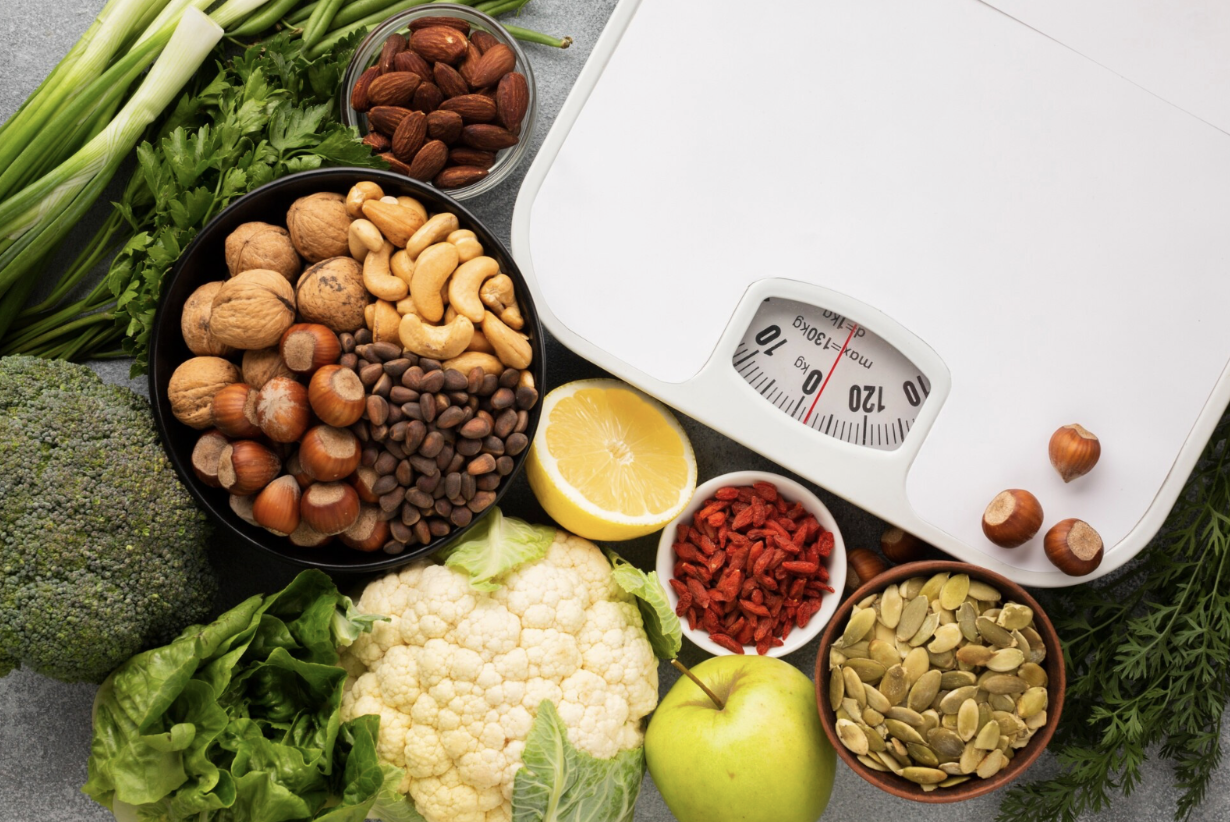
Image Credits: Freepik
Make Protein Simple Again
True health rarely comes from complexity. It comes from rhythm, consistency, and respecting the body’s basic needs. Protein works best when your foundation is strong, your lifestyle is steady, and your body is not fighting stress every day.
Reflect on the following first:
- Am I sleeping deeply and consistently?
- Is my stress under control, or silently accumulating?
- Is my gut comfortable, calm, and functioning well?
- Is my food real, simple, and nourishing?
The people who live long and live well do not chase nutrition trends. They build strong fundamentals, protect their sleep, manage stress, and eat with awareness.
Remember, it is always foundations first.
Want to go deeper? Then watch 5 mistakes that’s making your protein dangerous
Frequently Asked Questions
- Can protein harm me if everything else is off?
Yes. Without hydration, fiber, digestion, and kidney readiness, excess protein can become a metabolic load rather than support. - Is flavoured protein harmful?
Occasional use may be tolerated, but daily intake of artificial additives may disrupt gut balance over time. - How much protein do I need?
There is no universal number. Needs vary based on age, activity, muscle mass, digestion, stress, and sleep quality. Always consult a professional healthcare provider for a better clarity. - Should I get tests before protein supplementation?
Kidney function tests are recommended, especially for individuals with long-standing diabetes, hypertension, or age-related risk. Consult your qualified healthcare professional before starting any supplements, particularly if you have existing kidney concerns, metabolic conditions, or are on long-term medication. - Are longevity supplements useless?
They may help specific deficiencies, but they cannot replace sleep, emotional balance, movement, and nutrition.
Disclaimer: This blog is intended for educational and informational purposes only. It is NOT a substitute for professional medical advice, diagnosis, or treatment. Nutritional needs, protein requirements, and supplement suitability vary from person to person based on age, medical history, metabolic health, kidney function, activity level, and overall lifestyle.Before making significant nutritional changes, increasing protein intake, or beginning any supplementation, consult a qualified healthcare professional or registered medical practitioner, especially if you have existing medical conditions such as diabetes, hypertension, kidney concerns, gastrointestinal disorders, or if you are pregnant, breastfeeding, above 40, or on long-term medication.
Want personalized guidance on nutrition and related issues?
We help you find a way.
Set up a one-on-one consultation with our foundational team or explore our Wellness Programs to optimize your lifestyle goals.
Reach out to us at 1800 102 0253 or write to us at [email protected].