No products in the cart.
If you’re struggling with acidity, bloating, or sluggish digestion, there’s a powerful Ayurvedic home remedy hiding right in your kitchen.
This simple three-spice concoction made with jeera (cumin), ajwain (carom seeds), and saunf (fennel seeds) has been used for generations to support digestive health naturally. Whether you’re dealing with indigestion, gas, or constipation, this natural gut health drink might be exactly what your body needs.
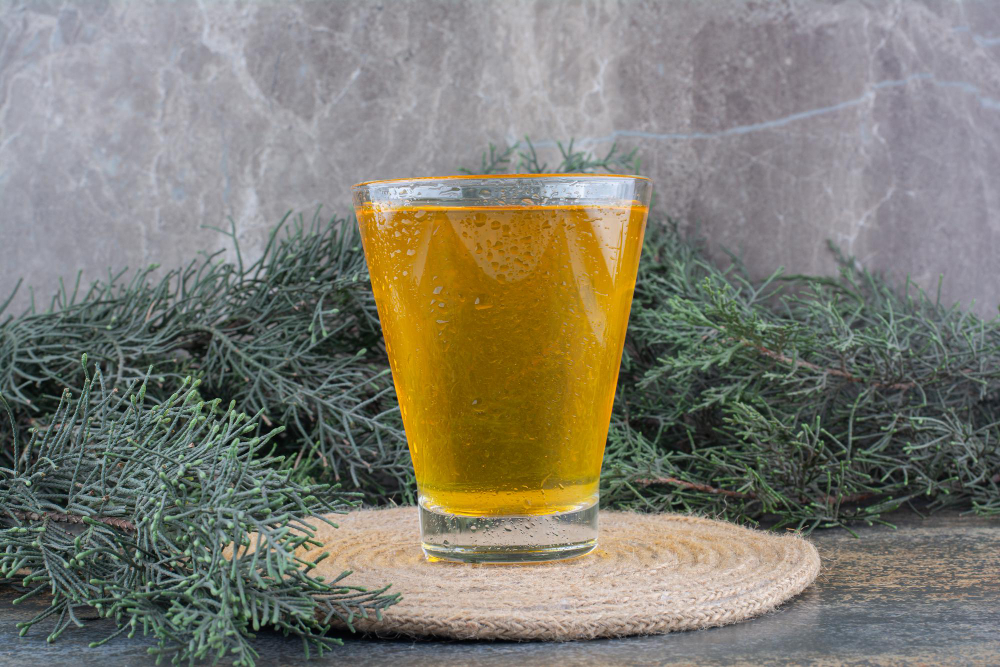
Image Credits: Magnific
But before we share the recipe, let me remind you of something crucial: your digestion begins in your mouth. Mindful chewing activates the salivary enzymes that start breaking down food long before it reaches your stomach.
When you skip this step and swallow hastily, undigested chunks enter your gut and set the stage for digestive trouble.
Click here, to learn more about mastering mindful chewing.
How to Make Jeera Ajwain Saunf Water (Recipe)
The 3-Ingredient Gut Health Concoction

Ingredients:
- 1½ teaspoons ajwain (carom seeds/bishop’s weed)
- 1 tablespoon jeera (cumin)
- 1 tablespoon saunf (fennel seeds)
- 1 litre of water
Instructions:
- Add all three spices to 1 liter of water.
- Bring to a boil, then let it simmer until reduced to 600–800 ml.
- Allow to cool — refrigerator or room temperature is fine.
- Transfer to a glass bottle and sip throughout the day.
Tip: Many people find that starting the morning with a warm cup of this digestive tonic makes them feel lighter and more energized throughout the day.
- The warmth helps the active compounds in the spices absorb more readily, while the sipping habit itself encourages you to stay hydrated in a way that actively supports gut function rather than diluting digestive juices.
The Science and Ayurveda Behind Each Ingredient
Understanding why this Ayurvedic home remedy works helps you use it more effectively. Each spice brings something unique to the blend, and the combination of the three creates a synergy that is greater than the sum of its parts.
Spice Comparison: Roles and Benefits at a Glance
| Spice | Nature | Primary Action | Key Bioactive | Best For |
| Jeera (Cumin) | Warming | Stimulates digestive enzymes and bile production | Thymol, cuminaldehyde | Bloating, gas, slow digestion, IBS |
| Ajwain (Carom Seeds) | Heating | Carminative, stokes digestive fire (agni) | Thymol (35-60% of oil) | Trapped gas, acidity, acute indigestion |
| Saunf (Fennel Seeds) | Cooling | Relaxes gut smooth muscle, prokinetic action | Anethole, fenchone | Cramping, IBS, slow bowel movement |
| Dhaniya (Coriander) | Cooling | Reduces pitta, supports liver and kidney flush | Quercetin, terpinenes | Heartburn, excess heat, liver support |
Jeera (Cumin): The Digestive Kickstarter
Cumin is one of the most well-researched digestive spices in the world. Its key bioactive compound, thymol, stimulates salivary glands and triggers digestive enzyme production even before food reaches your gut. It also supports bile production from the liver, which is essential for breaking down dietary fats.
Research backs this up convincingly.
- A study found that cumin extract significantly reduced irritable bowel syndrome (IBS) symptoms including abdominal pain, bloating, incomplete defecation, and fecal urgency in 57 patients, with statistically significant improvements both during and after treatment.
- Stool consistency and defecation frequency were also significantly improved in patients with the constipation-dominant pattern of IBS.

Source: Agah S, Taleb AM, Moeini R, Gorji N, Nikbakht H. Cumin extract for symptom control in patients with irritable bowel syndrome: a case series. Middle East J Dig Dis. 2013 Oct;5(4):217-22. PMID: 24829694; PMCID: PMC3990147.
In Ayurveda, jeera balances vata and kapha, calming erratic digestion, a dry gut lining, and a sluggish metabolism.
It is one of the cornerstone spices in Ayurvedic digestive protocols precisely because it works on both the physical and energetic levels of digestion.
Ajwain (Carom Seeds): The Gut Fire Igniter
Ajwain is arguably the most potent spice in this blend.
- Its fruits yield 2 to 4% of a brownish essential oil, with thymol as the major constituent, making up 35 to 60% of the oil.
- This high thymol concentration gives ajwain its exceptionally powerful carminative action, meaning it actively works to relieve trapped gas and ease the gut wall.
Evidence from preclinical and clinical studies suggests that ajwain, especially in the form of essential oil, exhibits anti-inflammatory, antimicrobial, gastroprotective, and cardioprotective effects, often with comparable or greater efficacy than conventional drugs and with fewer adverse effects.
It is particularly effective for acute indigestion and acidity.
- In Ayurvedic practice, ajwain stokes the digestive fire (agni) and is classically used for kapha-vata type disorders.
- If you often feel heavy, bloated, or cold after meals, adding ajwain to your daily routine can provide meaningful relief.
Saunf (Fennel Seeds): The Cooling Balancer
While jeera and ajwain are warming in nature, fennel is cooling, making this combination beautifully synergistic. The three spices together address a wide spectrum of gut imbalances rather than pushing the body in one thermal direction.
The main bioactive components of fennel seeds are anethole, fenchone, and estragole.

A study confirmed that fennel tea acts as a spasmolytic in the proximal stomach and as a prokinetic in the antrum, which supports its observed beneficial effects in gastrointestinal conditions like functional dyspepsia.
- This means it simultaneously relaxes the upper stomach to reduce cramping and encourages the lower stomach to move food forward efficiently.
Ayurveda classifies saunf as tridoshic, meaning it balances all three doshas: vata, pitta, and kapha. This makes it one of the most versatile digestive spices available and a perfect anchor for this blend.
Should You Add Dhaniya (Coriander Seeds)?
Absolutely.
Coriander seeds add a cooling dimension by reducing pitta (the fire element), supporting liver detoxification, and improving urine flow. They’re particularly effective for relieving acidity and heartburn.
- Coriander seeds possess antioxidant, diuretic, anti-inflammatory, and antibacterial qualities.
- They also have appetizing and stimulatory effects on the digestion process by increasing the production of digestive enzymes and juices, which stimulates digestion and peristaltic motion, thus improving overall digestive efficiency.
To add it to the recipe, simply include half to 1 tablespoon of dhaniya when boiling the mix. This 4-spice version is especially helpful during summer months or for anyone who frequently experiences excess body heat, heartburn, or skin-related heat symptoms.
When to Drink It: Best Timings for Maximum Benefit
This digestive water is flexible and does not need to be consumed at a fixed time. However, some timings work better than others depending on what you are trying to address.
The three most effective timings are:
- Morning, on an empty stomach: Ideal if you wake up feeling acidic or bloated. Sipping warm jeera ajwain saunf water first primes the digestive system before food enters and gently activates gastric secretions.
- 30 minutes before meals: This is particularly powerful because it primes your digestive enzymes for better food breakdown from the first bite. Think of it as preparing the digestive environment rather than reacting to problems after they arise.
- 30 minutes after meals: Helps prevent post-meal reflux, indigestion, and the heaviness that often follows a large or rich meal.
When digestive enzymes are insufficient, the stomach compensates by producing excess acid, which leads to reflux, indigestion, and discomfort. Regular sipping of this concoction helps your system maintain its enzymatic rhythm rather than seesawing between under-digestion and over-acidification.

AI-generated image
Use-Case Guide: When to Drink Based on Your Symptom
| Symptom or Goal | Best Time to Drink | Notes |
| Morning acidity or bloating | First thing in the morning, on an empty stomach | Drink warm, before any food or tea |
| Sluggish digestion or poor appetite | 30 minutes before meals | Activates enzyme production ahead of eating |
| Post-meal heaviness or reflux | 30 minutes after meals | Aids breakdown of food already consumed |
| Constipation | Morning on empty stomach + after dinner | Warm liquid and spices together stimulate motility |
| Gas and cramping | Any time during the day | Sip slowly in small amounts throughout |
| Excess body heat or pitta | Any time, using the 4-spice version with dhaniya | The cooling effect of saunf and coriander offsets heat |
| General gut maintenance | Once daily, morning | A consistent daily habit produces the best results |
A traditional note worth mentioning: In Indian culinary culture, a roasted blend of these exact spices is served after meals as mukhwaas, a natural digestive aid and breath freshener. This centuries-old tradition reflects the same nutritional wisdom embedded in this concoction.
Is It Safe for Children?
Yes. Children aged 5 and above can consume small quantities of this digestive water, especially when dealing with bloating, gas, or mild constipation.
- Start with 2 to 3 tablespoons and increase gradually as you observe how the child responds. Always rule out spice allergies before introducing this into a child’s routine.
For very young children or infants, fennel-based preparations have been studied for colic relief, but those are different formulations and should always be done under the guidance of a pediatrician.
Struggling with chronic gut issues?
Explore our 21-Day Gut Reset, designed to restore digestion, reduce inflammation, and rebuild your gut foundations.
👉 Take the next step toward better digestive health
The Last Word
Whether it is a heavy weekend meal, late-night eating, or persistent digestive discomfort, jeera ajwain saunf water is a simple, affordable, and natural first step that deserves a place in every Indian home.
It works beautifully for most people. But bodies are unique. If spices create excess heat or discomfort for you, that is your body’s signal and it is worth listening to. The beauty of this concoction is also its flexibility: you can dial the ajwain down and increase saunf if you run warm, or add dhaniya during peak summer months.
Many readers share that starting this 30 minutes before meals helped them stop experiencing post-meal reflux entirely. Consistency is what makes the difference.
There is real power in nature when we use it mindfully and regularly.
In an era of frequent antacid use, it is worth trying a natural alternative first. Antacids certainly have their place, especially when prescribed alongside other medications or during cancer treatments like chemotherapy or radiation. The goal is not to dismiss medication but to encourage you to try natural relief before defaulting to pharmaceuticals for every minor gut issue.
Share this with someone who needs it.
Looking for a comprehensive, personalized gut health plan?
Explore our Gut Care Program or book a one-on-one consultation with our integrative team at [email protected].
Frequently Asked Questions About Jeera Ajwain Saunf Water
How often can I drink jeera ajwain saunf water?
You can safely drink this once or twice a day. Start with once daily, ideally before breakfast, and observe how your body responds before increasing frequency. Most people find once daily is sufficient to notice a meaningful shift in digestive comfort within one to two weeks.
Can I drink this water long-term?
Yes, with breaks. A good rhythm is 3 to 4 weeks on, followed by 1 week off. As with any natural remedy, moderation and body awareness are key. Taking a periodic break also prevents your digestive system from becoming reliant on external stimulation and encourages it to build its own enzymatic strength over time.
Is it safe during pregnancy or breastfeeding?
Jeera and saunf are commonly used during lactation to support milk supply. However, ajwain is warming in nature and may be too stimulating during pregnancy. Consult your healthcare provider before adding this to your routine during pregnancy or while breastfeeding.
Should I drink it warm or cold?
Warm is best for digestion. This aligns with the Ayurvedic principle of keeping the digestive fire (agni) active and receptive. Room temperature is acceptable, but avoid ice-cold versions as they can dampen digestive activity and counteract the carminative properties of the spices.
Can children drink this digestive water?
Yes. Children aged 5 and above can have small quantities. Start with 2 to 3 tablespoons, particularly if they struggle with bloating or mild constipation, and increase gradually. Always check for spice sensitivities before introducing this to a child.
Does jeera ajwain saunf water support weight loss?
This is not a dedicated weight loss remedy, but it supports digestion, reduces water retention, and eases bloating, all of which contribute to a healthier metabolic environment. When your gut is functioning well and absorbing nutrients efficiently, the body is better equipped to manage weight over time. Think of it as building the foundation rather than seeking a shortcut.
Does it help with constipation?
Yes. Ajwain and saunf in particular help reduce gut inflammation and support healthy bowel motility, promoting more regular movements over time. The warm liquid base also contributes to hydration of the colon, which is one of the most basic and effective interventions for constipation.
What are the added benefits when coriander seeds are included?
Adding dhaniya extends the benefits to include cooling excess pitta, supporting liver detoxification, improving urine flow, and relieving heartburn and acidity, on top of the digestive benefits of the three primary spices. The quercetin and terpinene compounds in coriander also add an antioxidant and anti-inflammatory layer that makes the 4-spice version particularly useful during high-stress periods or warmer months.
Disclaimer: This blog is intended for educational and informational purposes only and should not be used as a substitute for professional medical advice, diagnosis, or treatment. Always seek the guidance of your qualified healthcare provider before making any changes to your medications or lifestyle.
About the Author:

Team Luke | Luke Coutinho Holistic Healing Systems
For over 14 years, Luke Coutinho and Team Luke have worked with thousands of people across conditions, ages, and life stages. Team Luke is a collective of highly trained nutritionists, clinical dietitians, doctors, yoga and fitness experts, life coaches, and emotional counselors, all working under one philosophy and one standard of care. At the heart of everything we do is Foundational Medicine, a science-backed framework built on six pillars: Food Science & Nutrient Synergy, Adequate Holistic Movement, Deep Sleep, Emotional Wellness & Mental Health, Nature (Your Internal & External Environment), and Spirit & Breathwork. Every piece of content published on this platform is rooted in that same belief: that the body thrives best when its foundations are strong. Our mission is simple and clear: to address root causes of illness and make wellness accessible, practical, and sustainable for all.
Connect with Team Luke:
Call: 1800 102 0253 | Email: [email protected]
Follow Luke:
Instagram: @luke_coutinho | Facebook: @LukeCoutinhoOfficial | X: @LukeCoutinho17 | YouTube: @LukeCoutinho | LinkedIn: Luke Coutinho